National Animals of the World
Many countries have an animal that stands for the nation. Some were chosen by law, others earned their place on a coat of arms, a coin or in a popular vote. Here is one animal for each of 84 countries, with its story and how it is doing in the wild today.
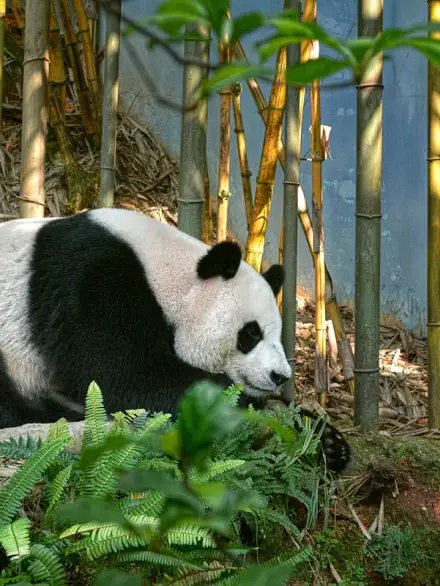 ChinaGiant panda
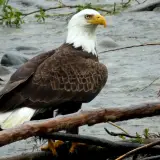
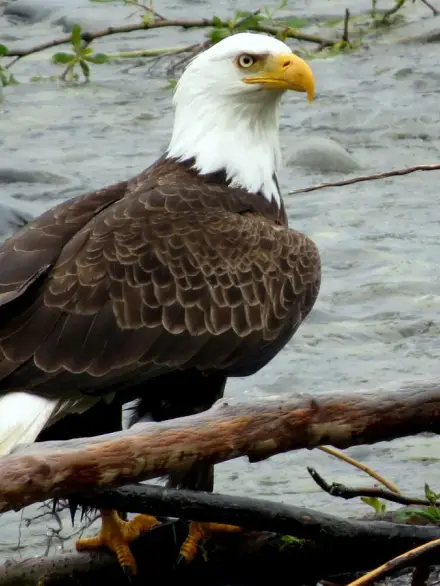 United StatesBald eagle
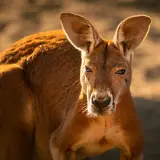
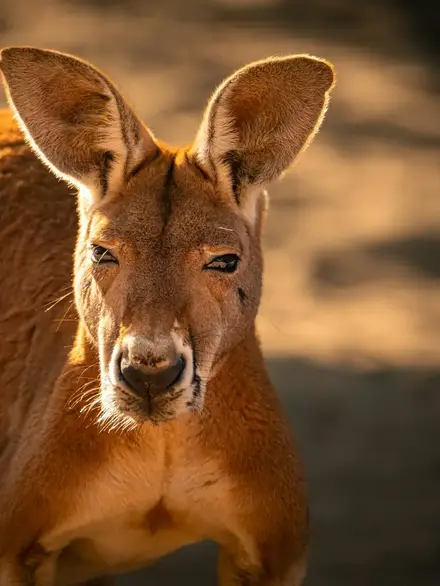 AustraliaRed kangaroo
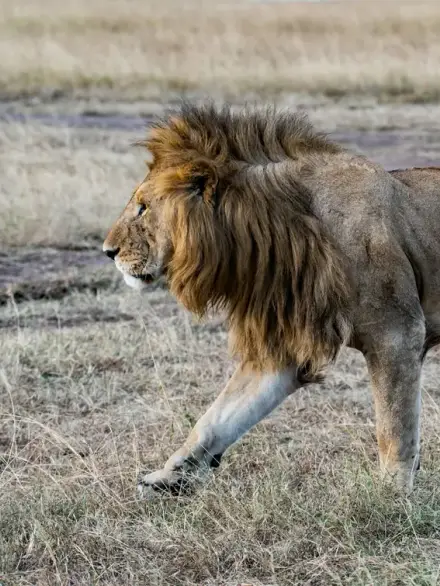 KenyaLion
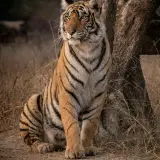
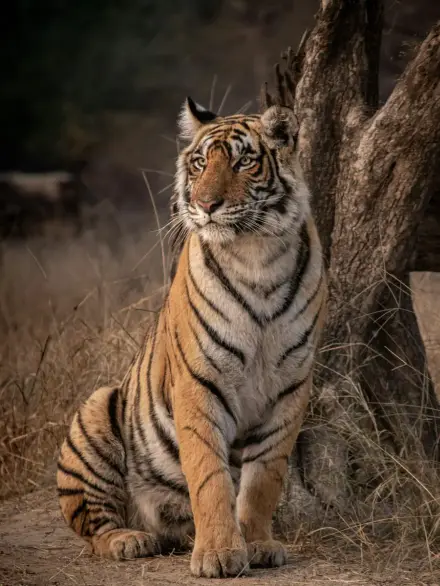 IndiaBengal tiger
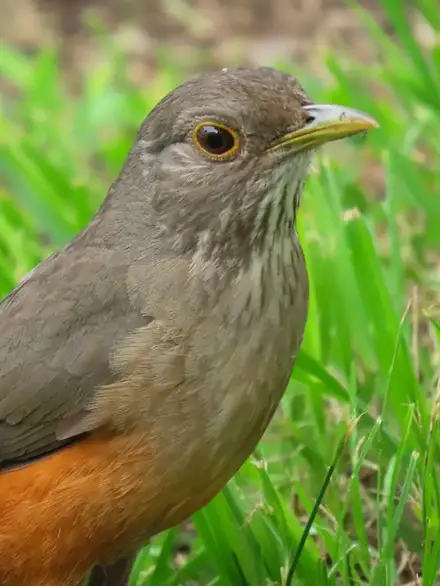 BrazilRufous-bellied thrush
 CanadaNorth American beaver
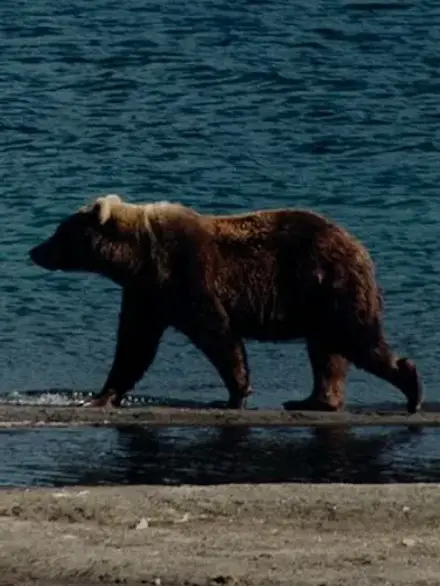 RussiaEurasian brown bear
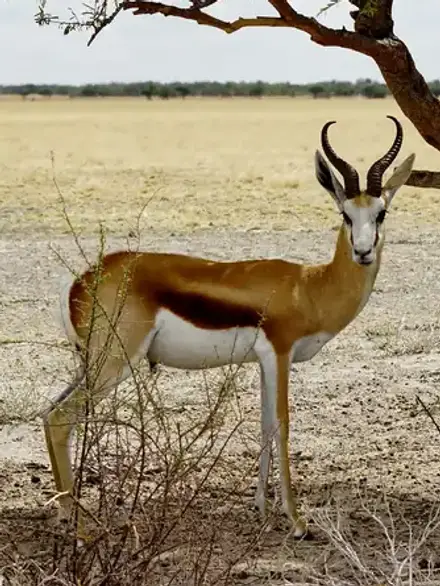 South AfricaSpringbok
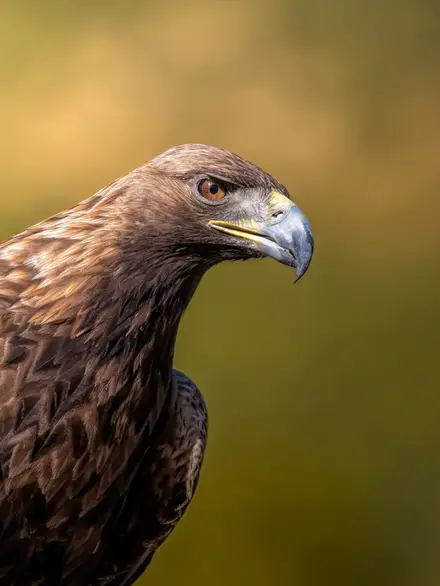 MexicoGolden eagle
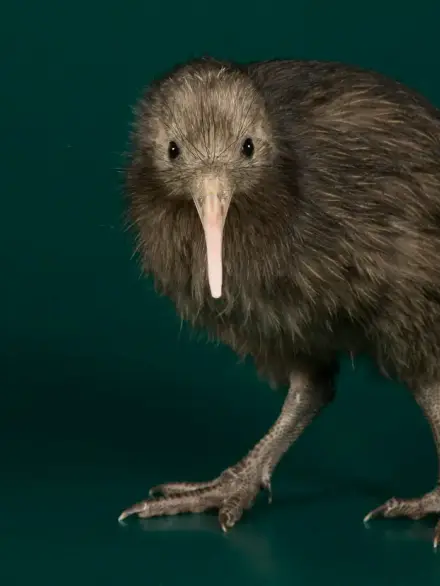 New ZealandKiwi
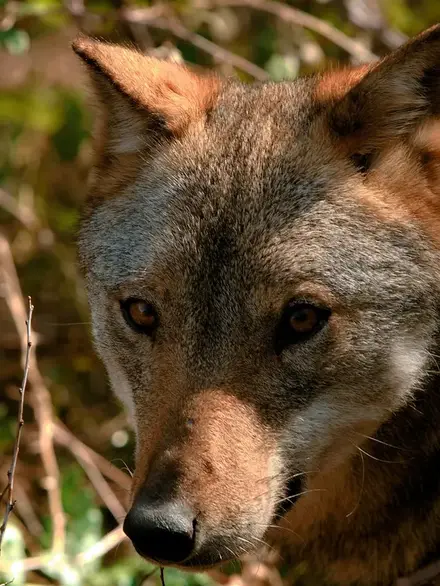 ItalyItalian wolf
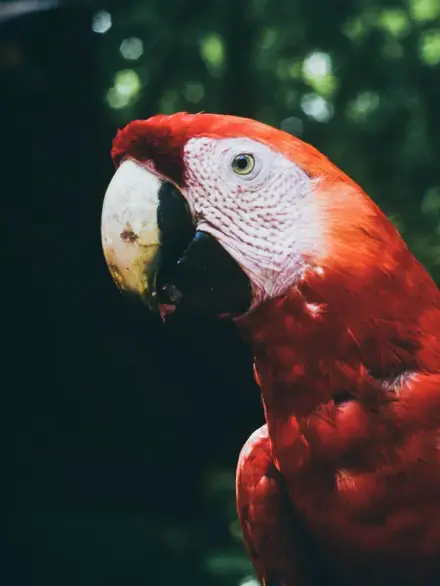 HondurasScarlet macaw
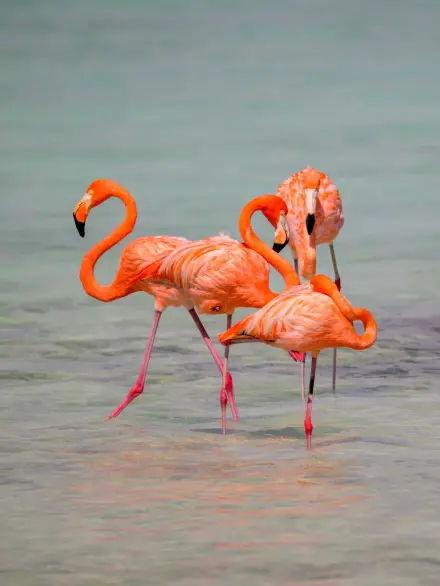 BahamasAmerican flamingo
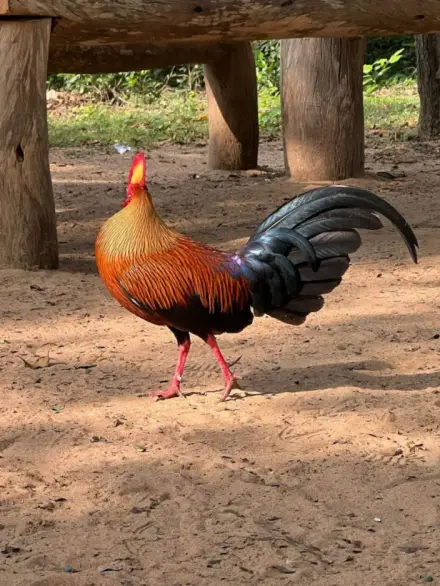 Sri LankaSri Lanka junglefowl
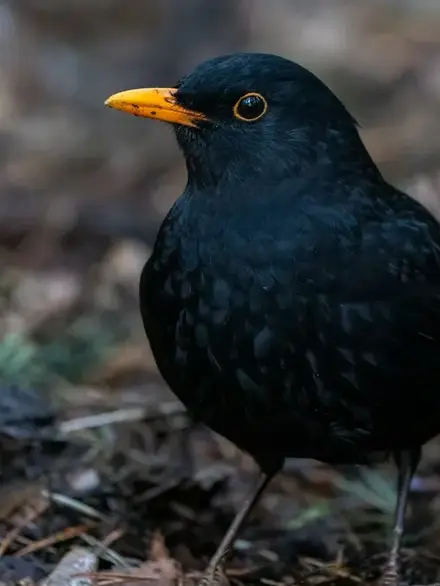 SwedenEurasian blackbird
Reader vote
Which national animal is your favourite?
Give a vote to every animal you love, from the giant panda to the kiwi. The ranking opens once 100 votes are in.
Vote now
Top 3 right now
By the numbers
These lists are calculated from the 84 animals in this collection.
Most threatened
- EXDodoMauritius · Extinct
- CRKoupreyCambodia · Critically Endangered
- CRMalayan tigerMalaysia · Critically Endangered
- CRPhilippine eaglePhilippines · Critically Endangered
- ENBengal tigerBangladesh · Endangered
- ENBaird's tapirBelize · Endangered
- ENHuemulChile · Endangered
- ENOkapiDemocratic Republic of the Congo · Endangered
Heaviest
- Asian elephantLaos6,000 kg
- Asian elephantThailand5,000 kg
- Masai giraffeTanzania1,900 kg
- KoupreyCambodia910 kg
- European bisonBelarus850 kg
Lightest
- Red-billed streamertail (doctor bird)Jamaica0.01 kg
- White wagtailLatvia0.03 kg
- Rufous horneroArgentina0.07 kg
- Cuban trogonCuba0.08 kg
- White-throated dipperNorway0.08 kg
Animal groups
Official or symbol?
Red List status
National Animals Quiz
Six quizzes of 10 questions each, by continent and for the whole world. Every question comes from the 84 countries on this site, and each answer shows right away with a link to the full page.

Countries by continent
Pick a continent to narrow the list.
Asia 22
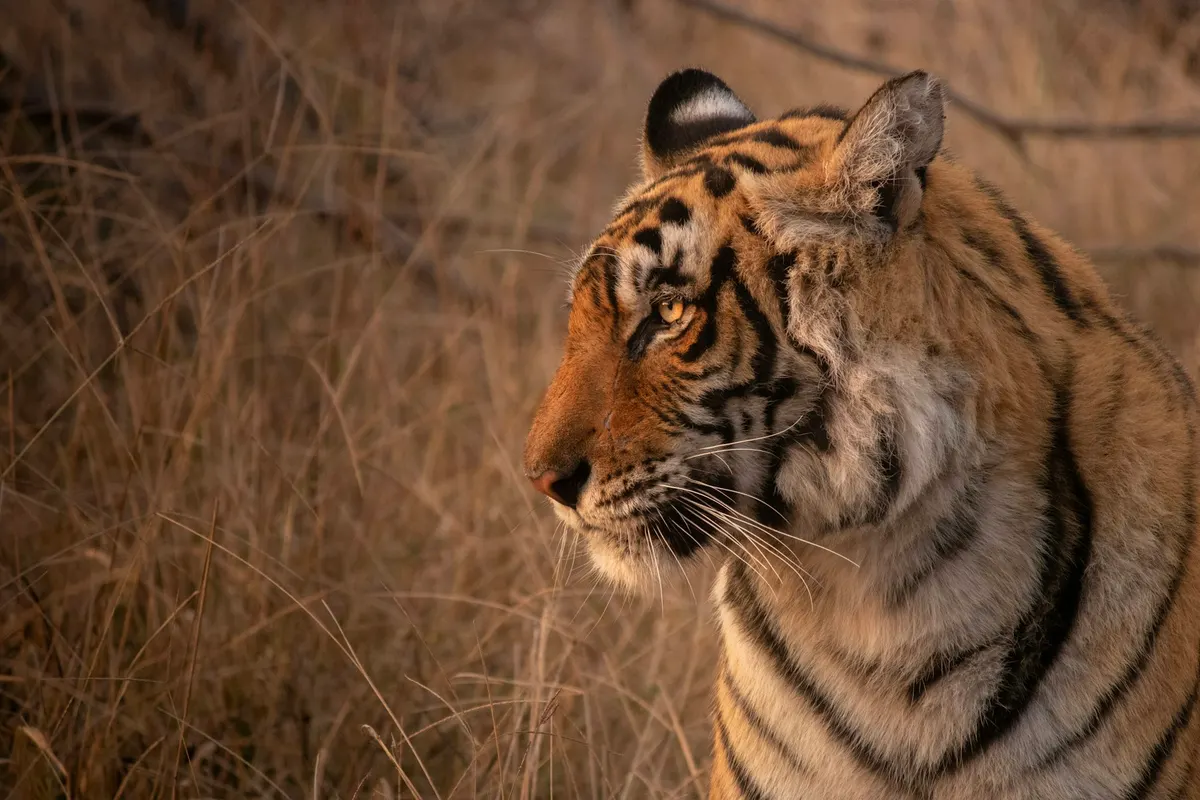 BangladeshENBengal tigerThe Bengal tiger, known in Bangladesh as the Royal Bengal Tiger, is the country's national animal. Its last stronghold in Bangladesh is the Sundarbans, a vast mangrove forest on the coast.
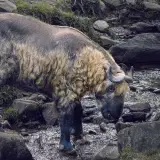
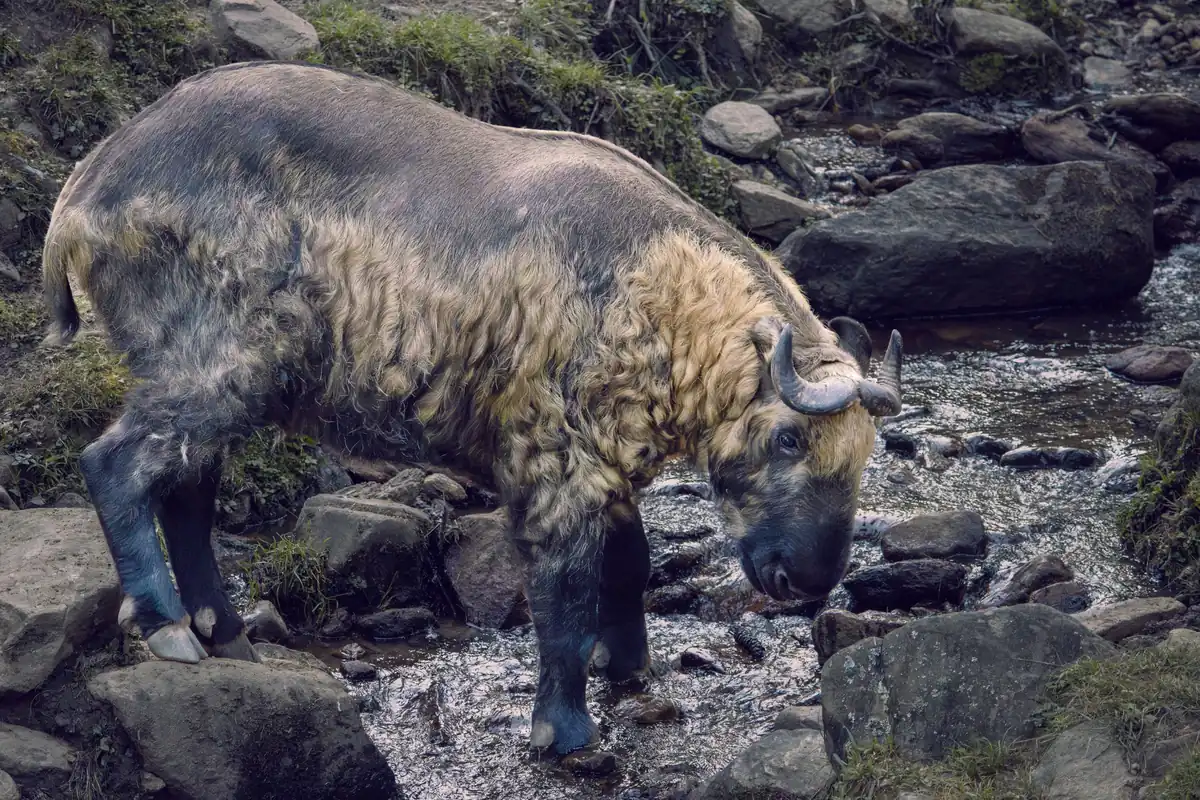 BhutanVUTakinThe takin, a sturdy mountain animal that looks like a mix of goat and cow, is Bhutan's national animal and roams the high forests and meadows of the Himalayas.
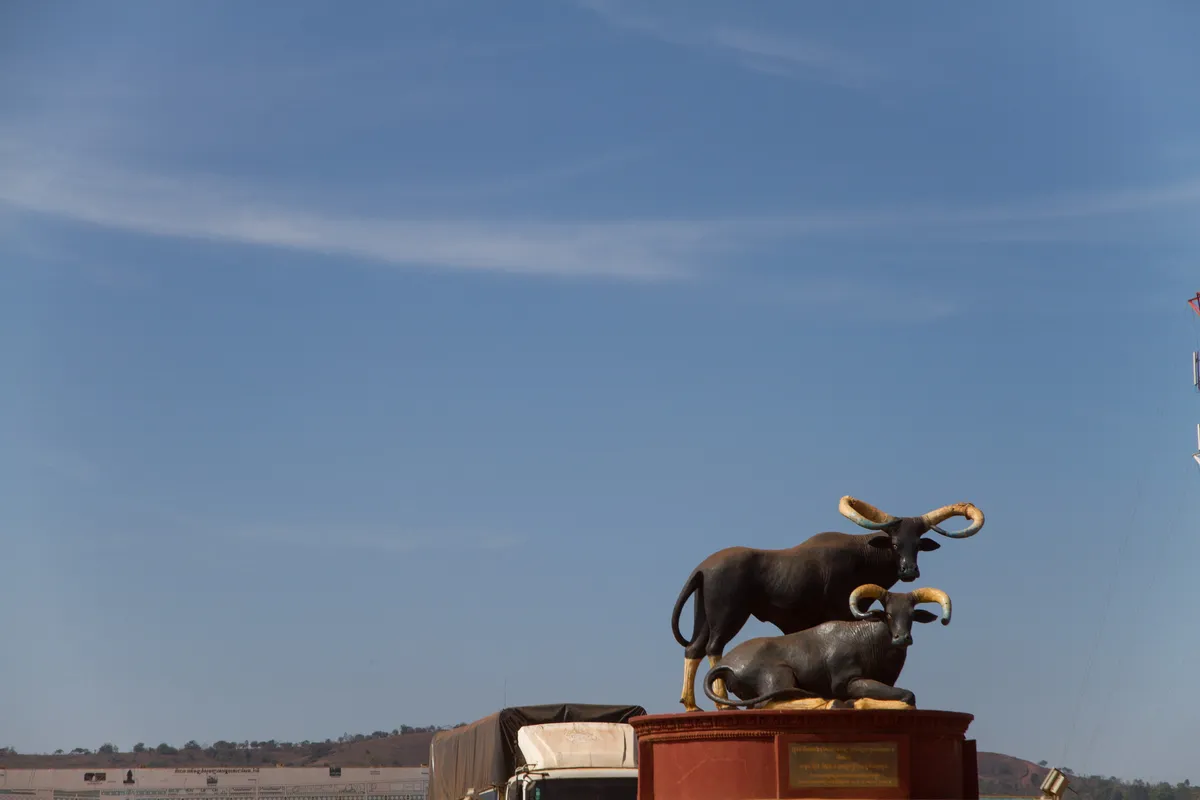 CambodiaCRKoupreyThe kouprey, a large wild ox with white legs and long curved horns, is Cambodia's national mammal. It has not been reliably seen since 1969, and the IUCN considers it most likely extinct, but because parts of its possible range have never been fully searched it is still listed as Critically Endangered (Possibly Extinct).
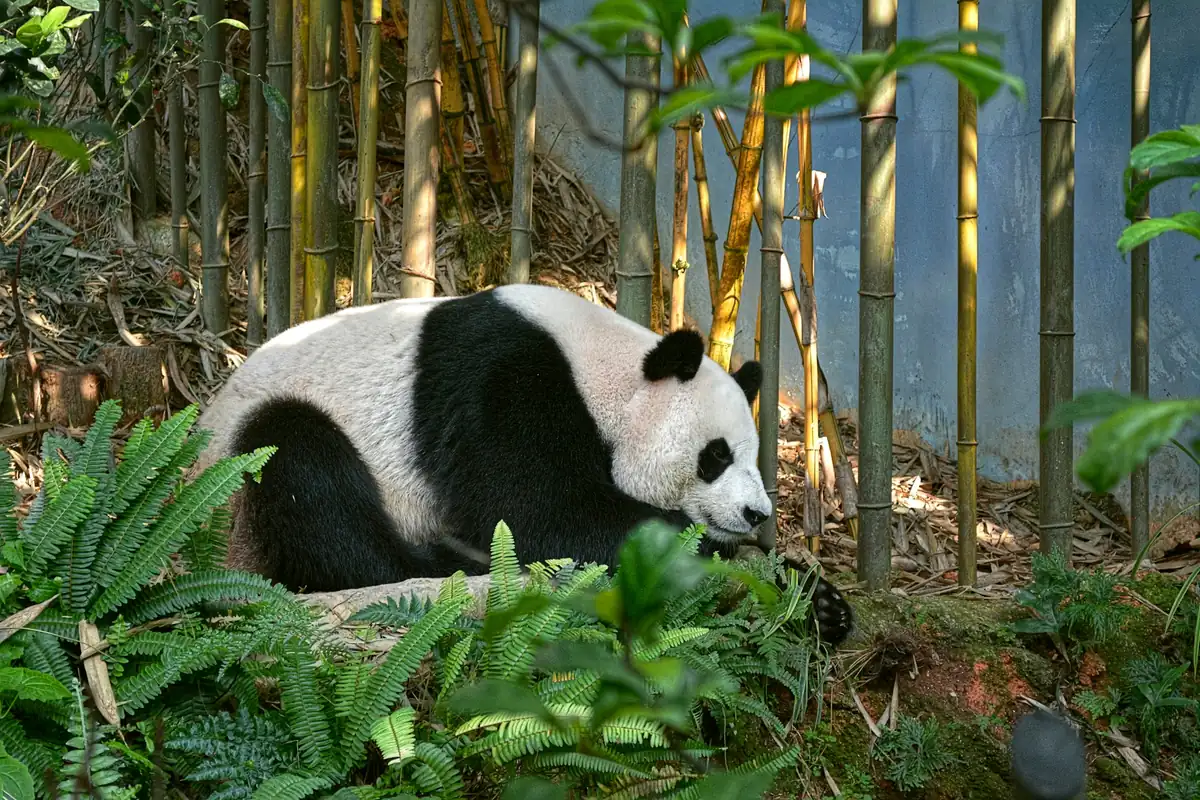 ChinaVUGiant pandaWith its black eye patches and bamboo habit, the giant panda is China's best-known national treasure and one of the most recognized animals on Earth.
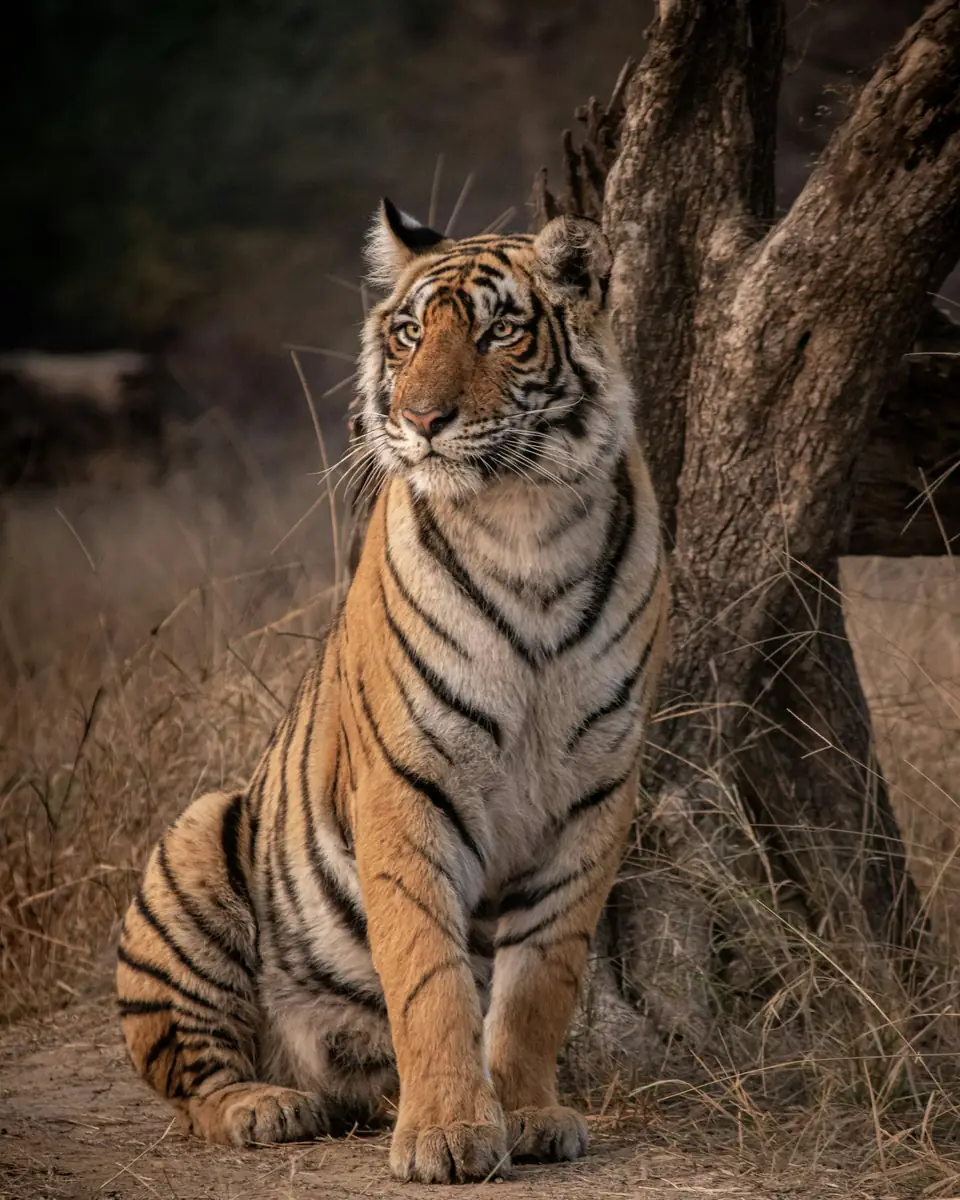 IndiaENBengal tigerIndia made the tiger its national animal in 1972 and launched Project Tiger the following year. Today the country is home to most of the world's wild tigers.
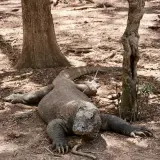
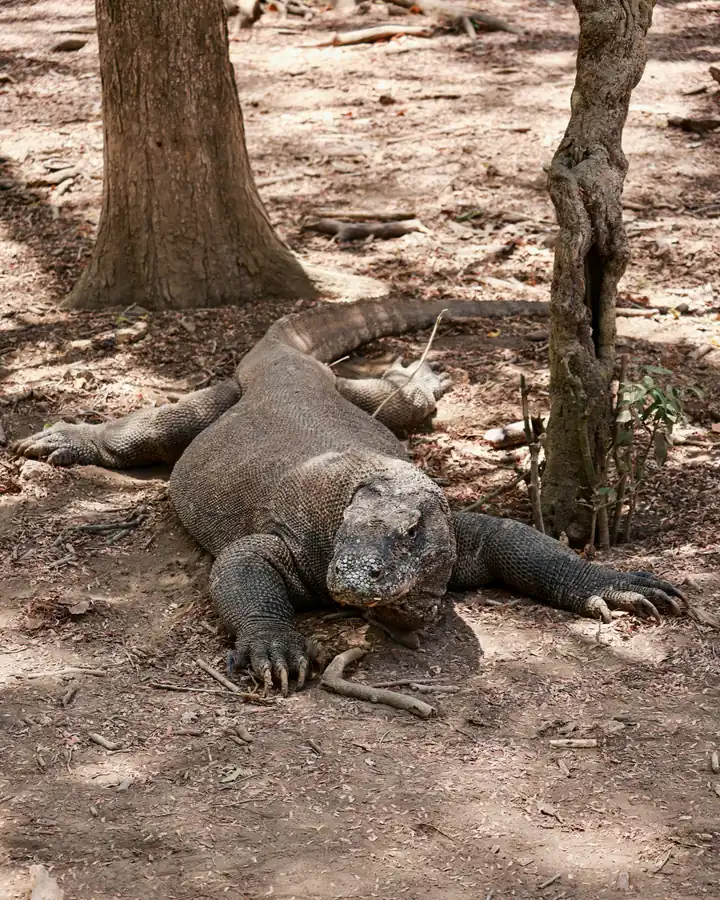 IndonesiaENKomodo dragonThe Komodo dragon, the largest living lizard, lives only on a few Indonesian islands and was named one of Indonesia's national animals by presidential decree in 1993.
- JapanLCGreen pheasantThe green pheasant, a colorful bird found in the wild almost only in Japan, is the country's national bird. It was chosen by the Ornithological Society of Japan in 1947.
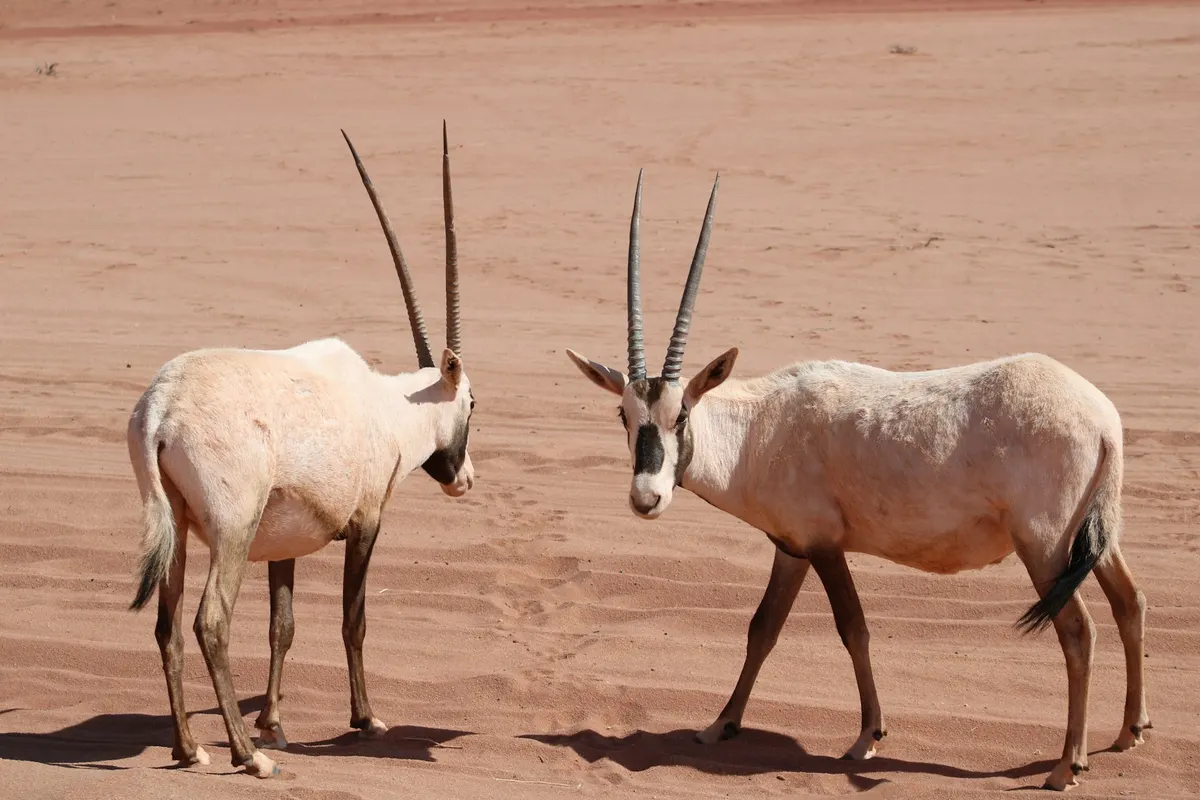 JordanVUArabian oryxThe Arabian oryx, a white desert antelope with long, straight horns, is widely described as Jordan's national animal. It vanished from Jordan in the early 20th century and returned through captive breeding at the country's first nature reserve.
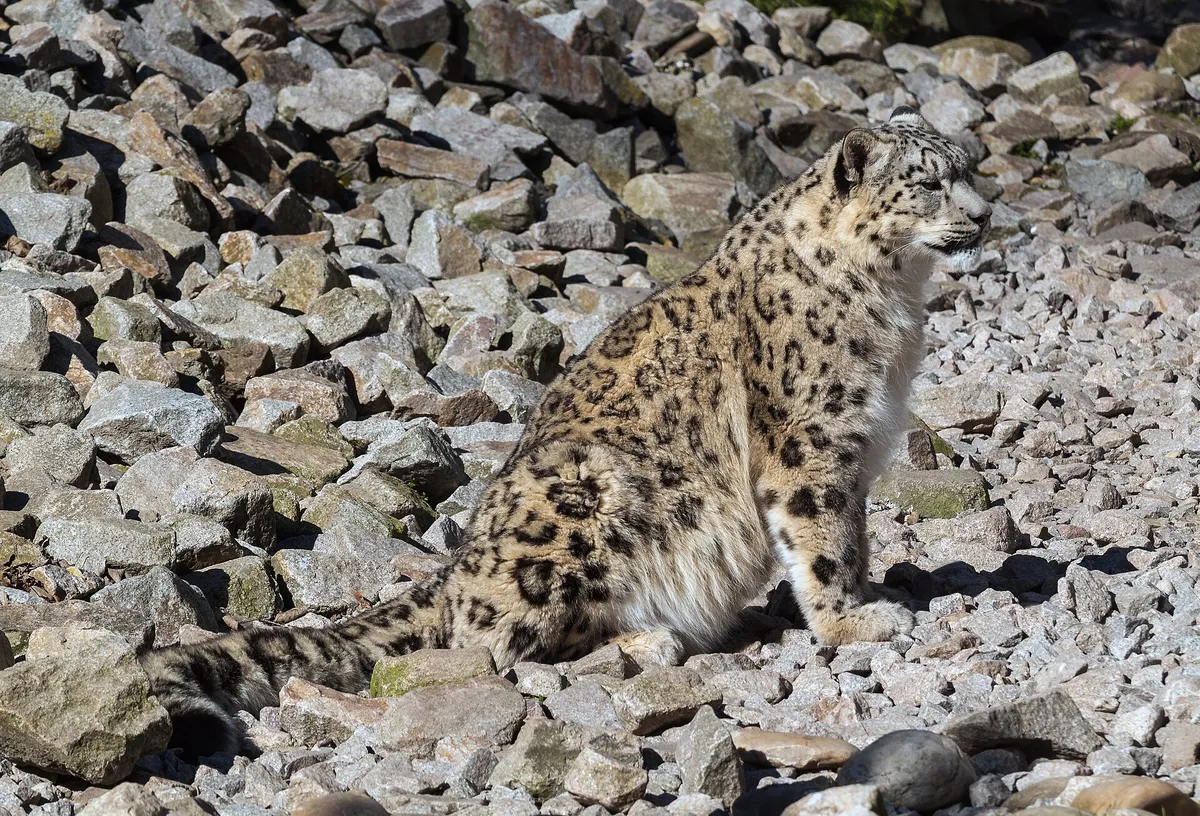 KazakhstanVUSnow leopardThe snow leopard, a pale, thick-furred big cat of high Central Asian mountains, is described as an official symbol of Kazakhstan and appears on the emblem of Almaty. About 152 to 189 snow leopards live in the country's mountains, and their numbers have grown in recent years.
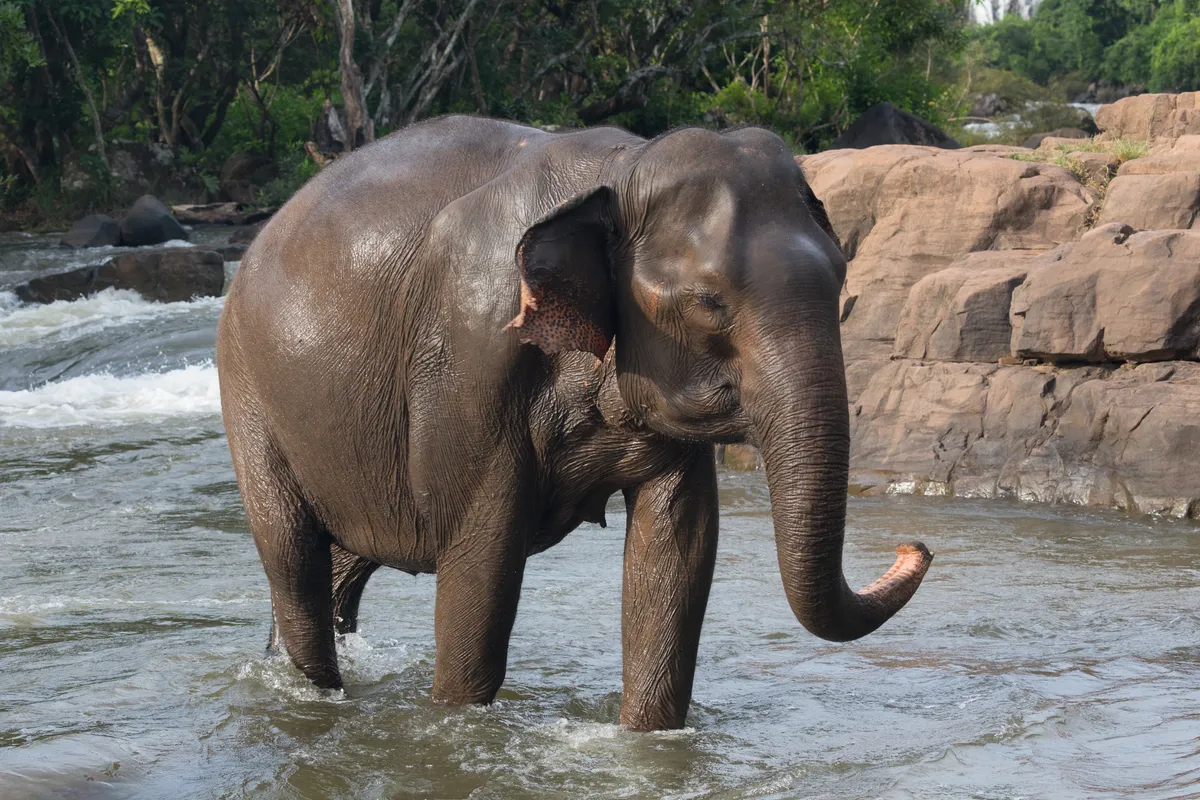 LaosENAsian elephantThe Asian elephant is a longstanding national symbol of Laos, a country once known as Lan Xang, the "Land of a Million Elephants". An FAO account says a king assigned it as the national animal in former times, but does not identify a current law or decree.
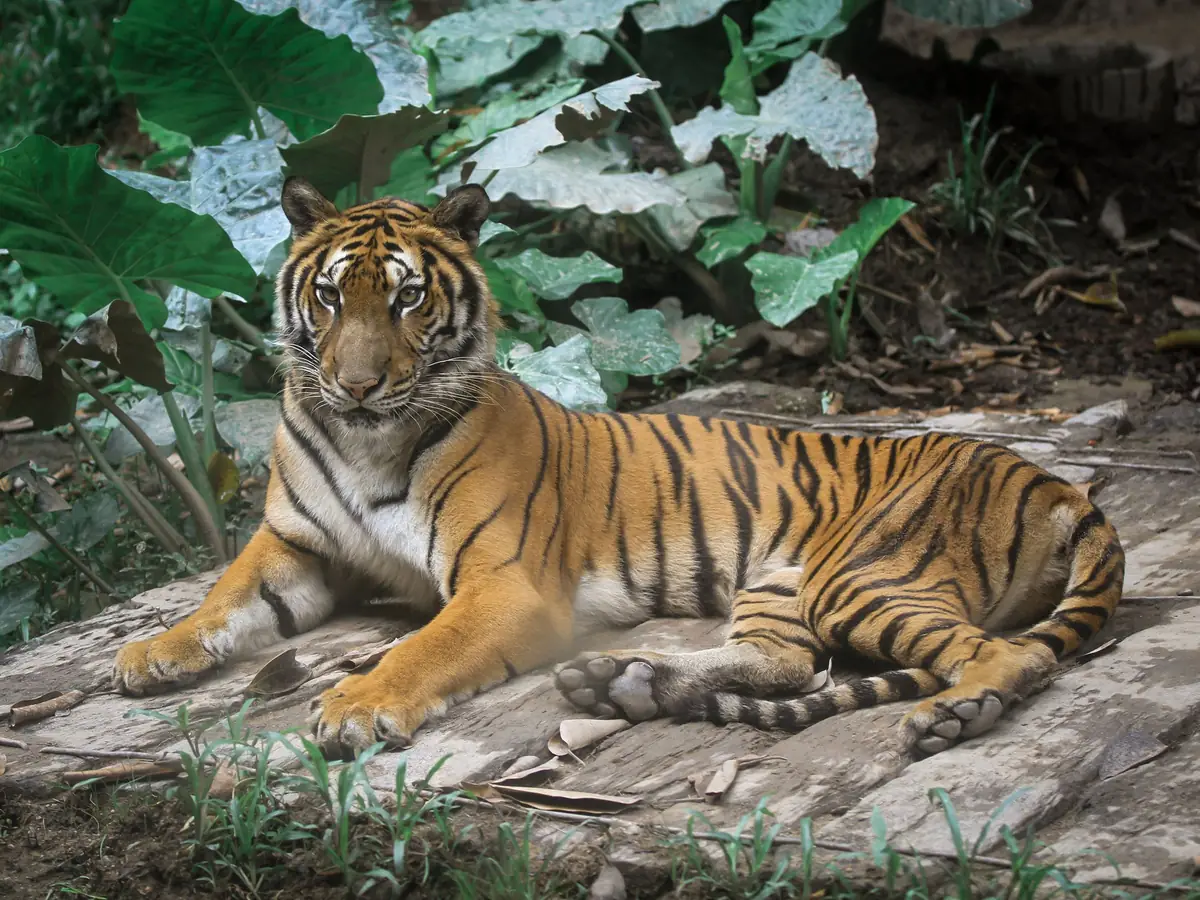 MalaysiaCRMalayan tigerTwo Malayan tigers stand on Malaysia's coat of arms. This tiger lives in the forests of the Malay Peninsula and is critically endangered.
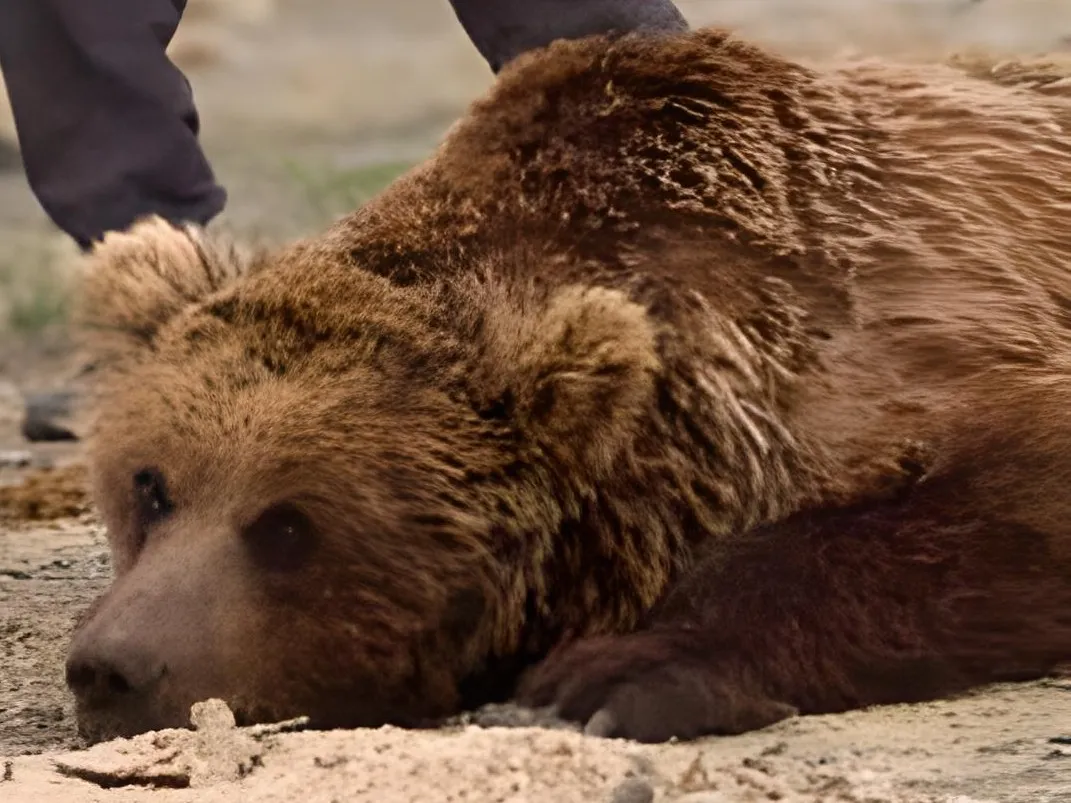 MongoliaLCGobi bear (mazaalai)The Gobi bear, or mazaalai, is a small brown bear that survives in the desert of south-western Mongolia, and in 2023 the Government of Mongolia officially declared it the country's national pride animal. With only about 50 left, it is often called the world's rarest bear.
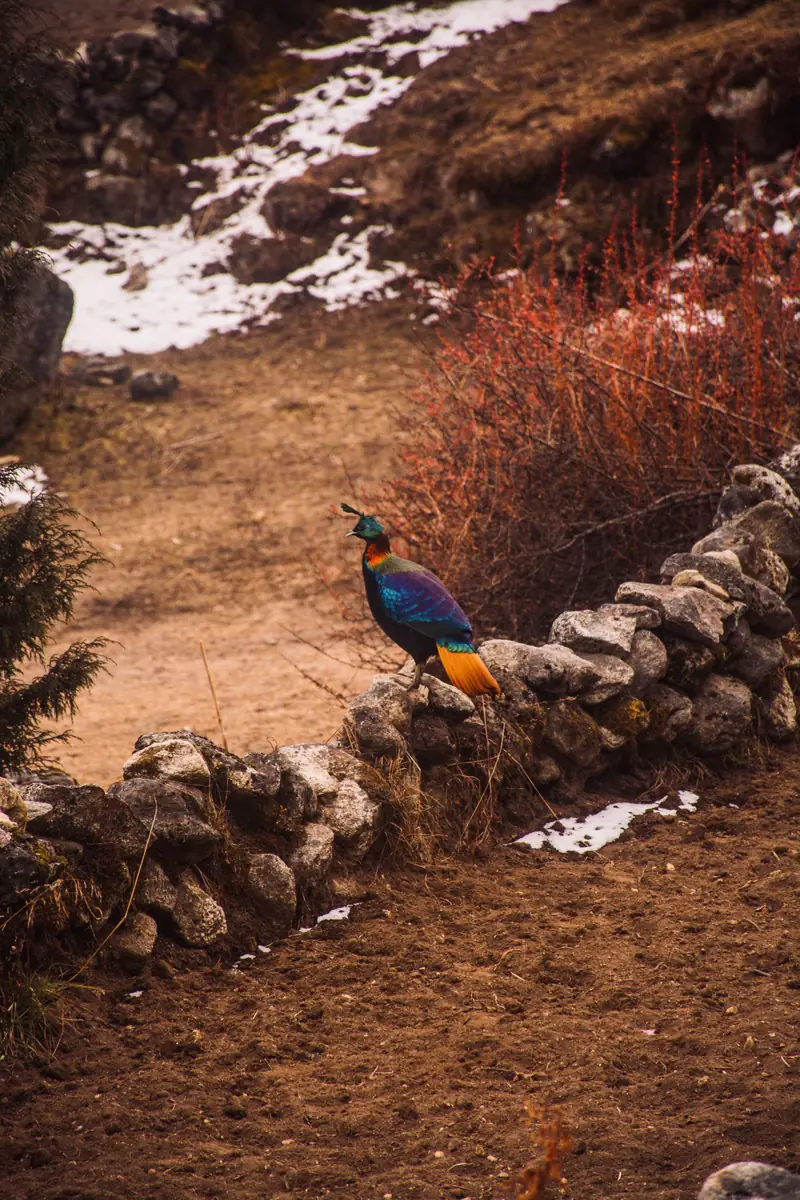 NepalLCHimalayan monalThe Himalayan monal, called danphe in Nepal, is the national bird named in Nepal's constitution. Males shine with metallic green, blue and copper feathers.
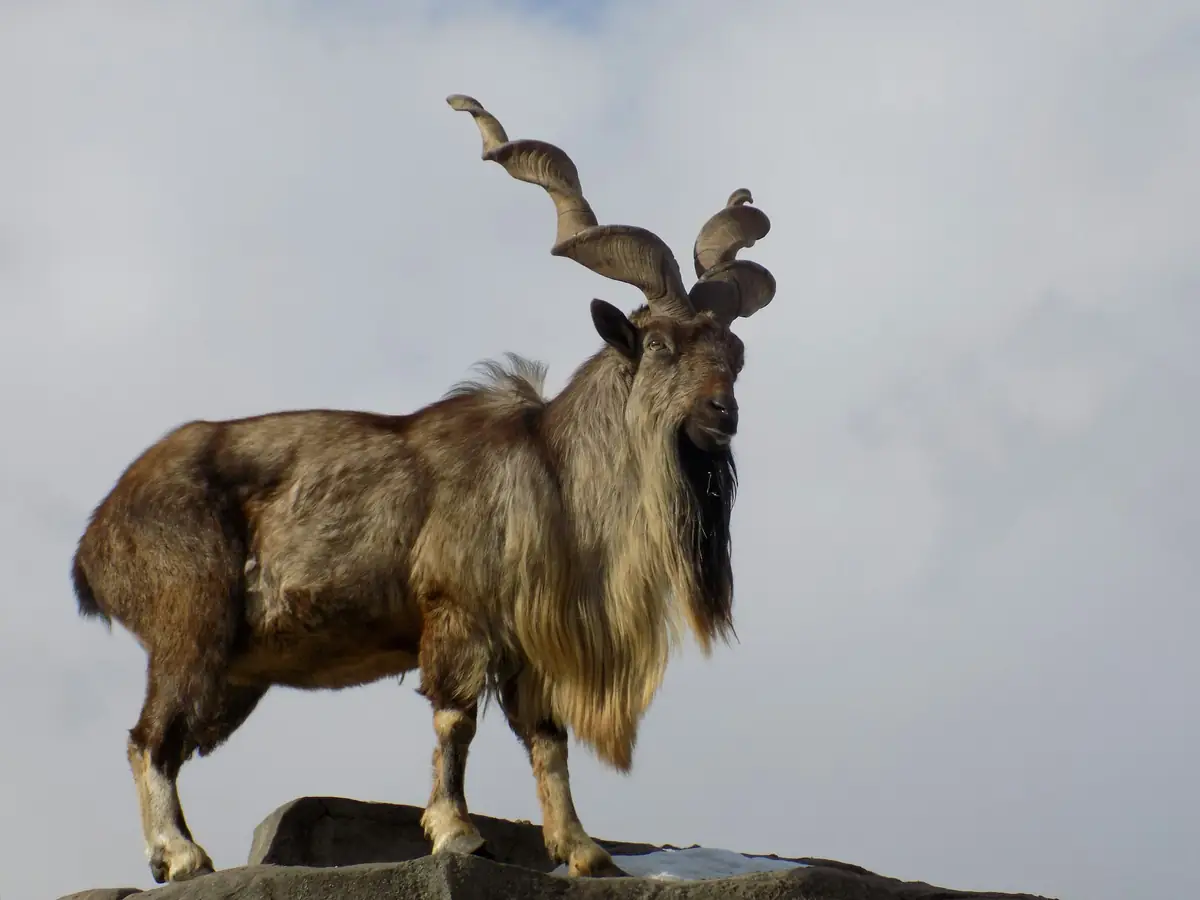 PakistanNTMarkhorThe markhor, a wild goat with spectacular corkscrew horns, is Pakistan's national animal. It climbs steep mountain cliffs with ease.
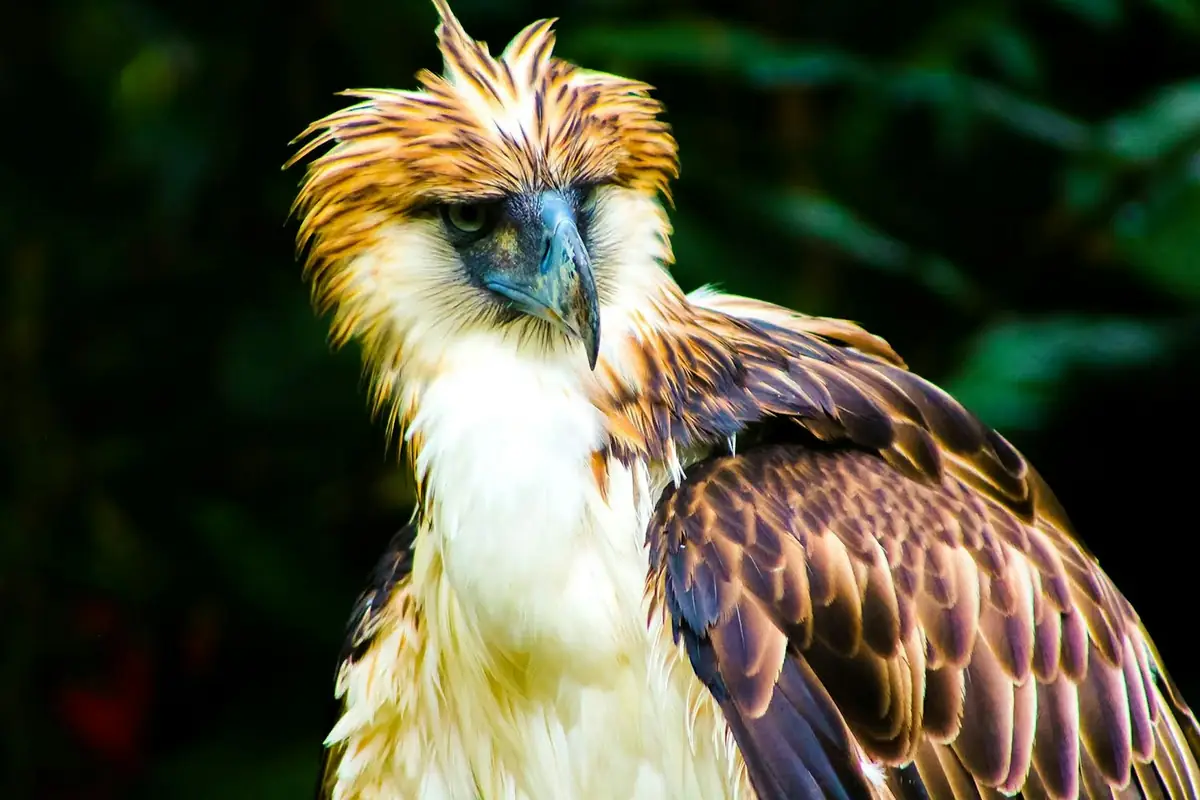 PhilippinesCRPhilippine eagleOne of the largest and rarest eagles on Earth, the Philippine eagle was proclaimed the national bird of the Philippines in 1995 and lives only in the country's forests.
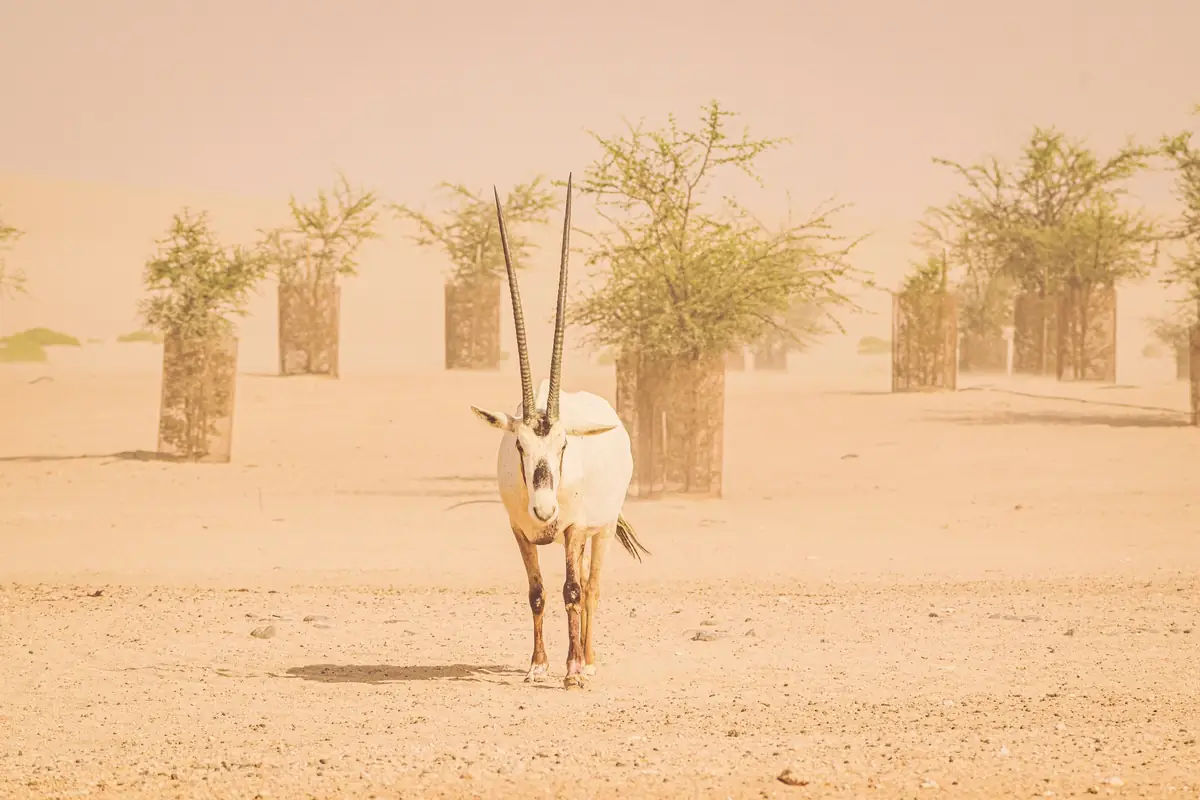 QatarVUArabian oryxThe Arabian oryx, a white desert antelope, is widely regarded as Qatar's national animal. It once disappeared from the wild and was brought back through captive breeding.
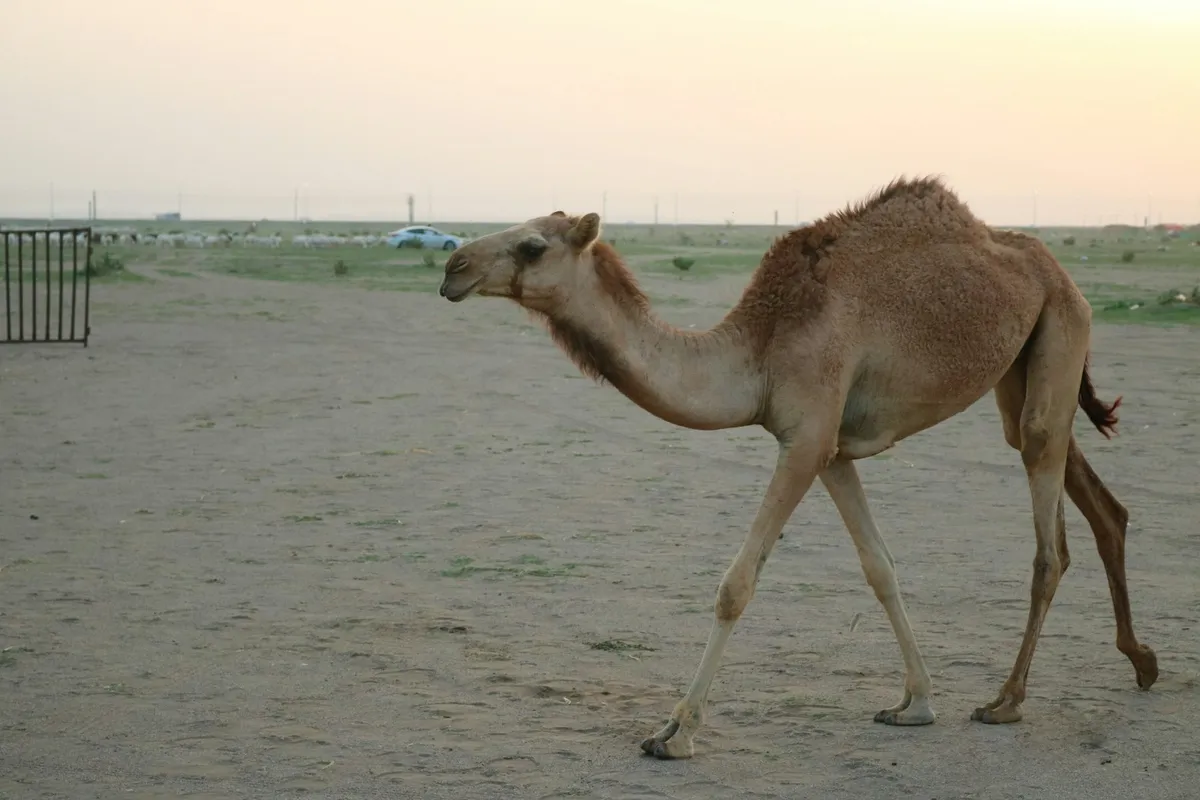 Saudi ArabiaNEDromedary camelThe dromedary, the one-humped Arabian camel, is widely described as Saudi Arabia's national animal. Known as the ship of the desert, it carried people and goods across Arabia for thousands of years, and in 2024 the Kingdom celebrated it with a national Year of the Camel.
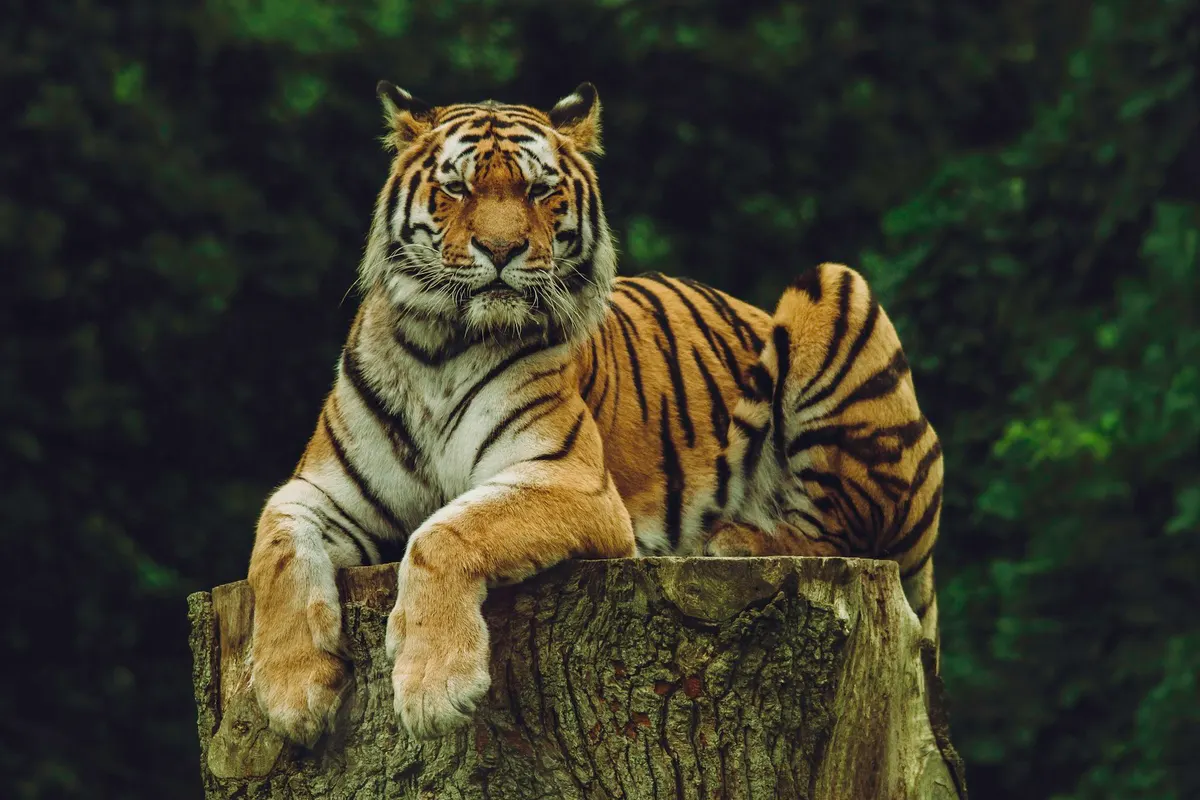 South KoreaENSiberian tigerThe tiger is South Korea's best-loved animal symbol. It fills Korean folk tales and paintings, and tigers were the mascots of both Olympic Games the country has hosted, even though wild tigers disappeared from South Korea about a hundred years ago.
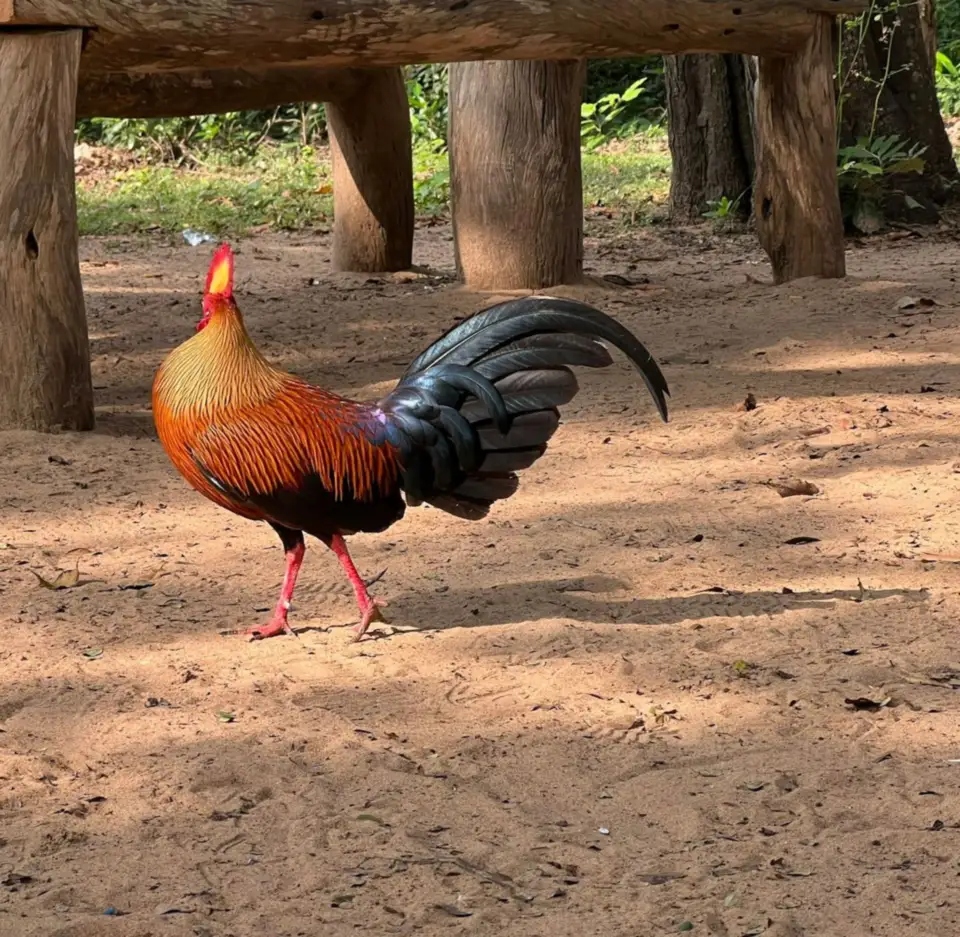 Sri LankaLCSri Lanka junglefowlThe Sri Lanka junglefowl, a wild relative of the chicken found nowhere else on Earth, is Sri Lanka's national bird. The brightly colored male is a familiar sight in the island's forests and national parks.
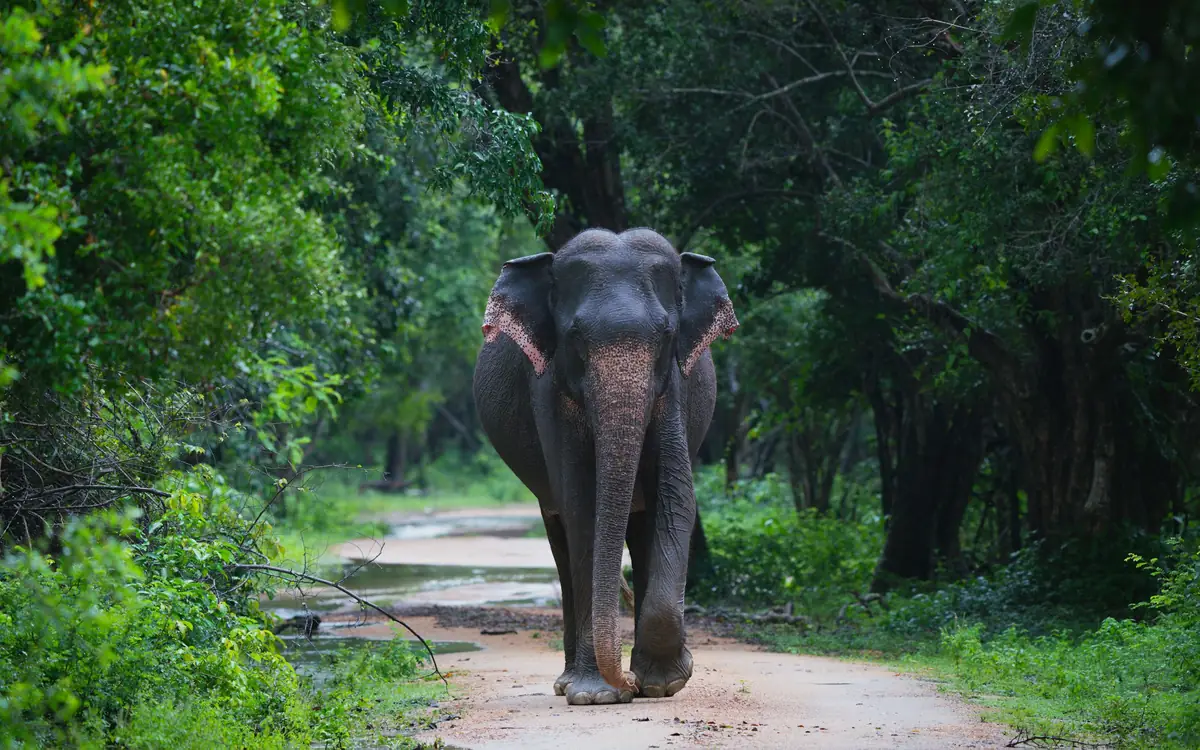 ThailandENAsian elephantThe Asian elephant is Thailand's national animal and has been part of Thai life for centuries. The country celebrates Thai Elephant Day every year on 13 March.
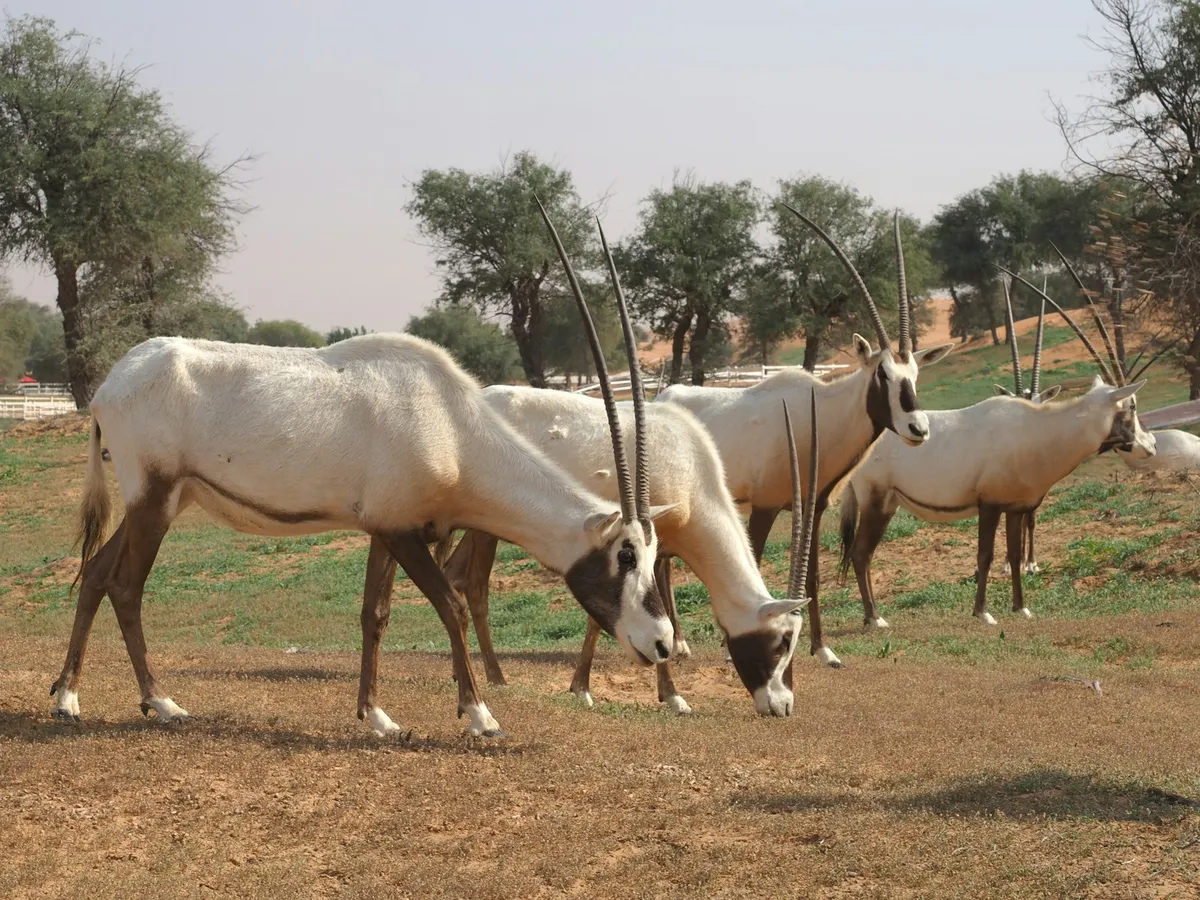 United Arab EmiratesVUArabian oryxThe Arabian oryx, a white desert antelope with long, straight horns, is widely described as the national animal of the United Arab Emirates. Nearly wiped out in the wild by the early 1970s, it was brought back through breeding programmes started by the UAE's founding father, Sheikh Zayed bin Sultan Al Nahyan.
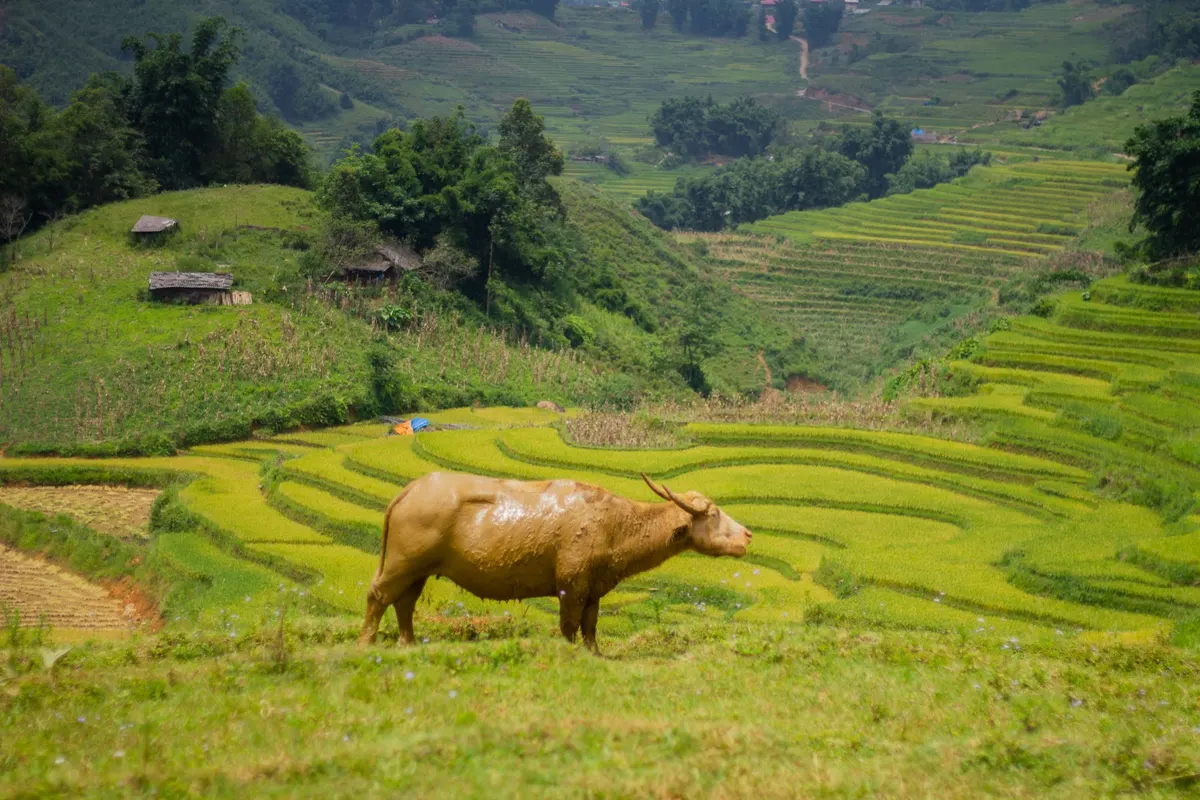 VietnamNEWater buffaloThe water buffalo is widely seen as Vietnam's national animal. For thousands of years it has plowed the country's rice fields, and it is honored in festivals, proverbs and the Vietnamese zodiac.
Europe 22
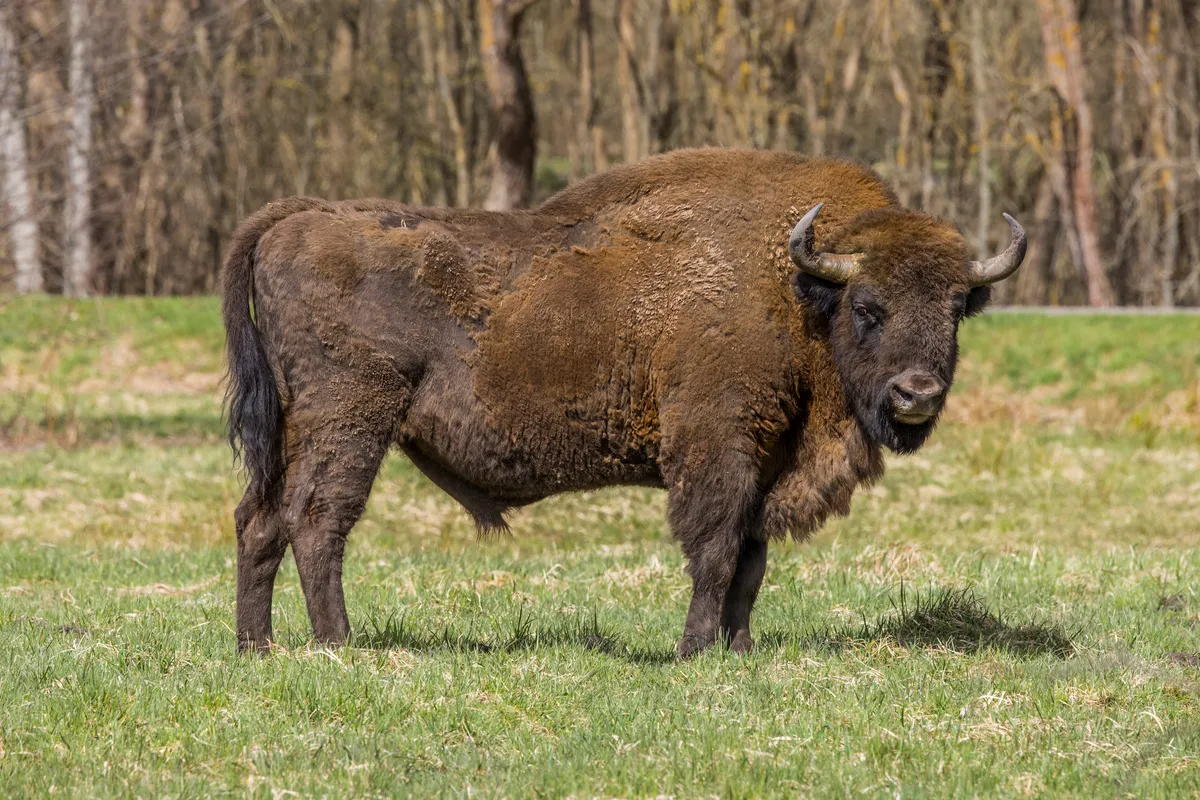 BelarusNTEuropean bisonThe European bison, known in Belarus as the zubr, is one of the largest land mammals in Europe and the animal most closely tied to Belarus. It is not named in any law, but it is counted among the symbols of the country, appears on the Brest Region's coat of arms and flag, and roams the ancient forest of Belovezhskaya Pushcha, where it was brought back after dying out in the wild.
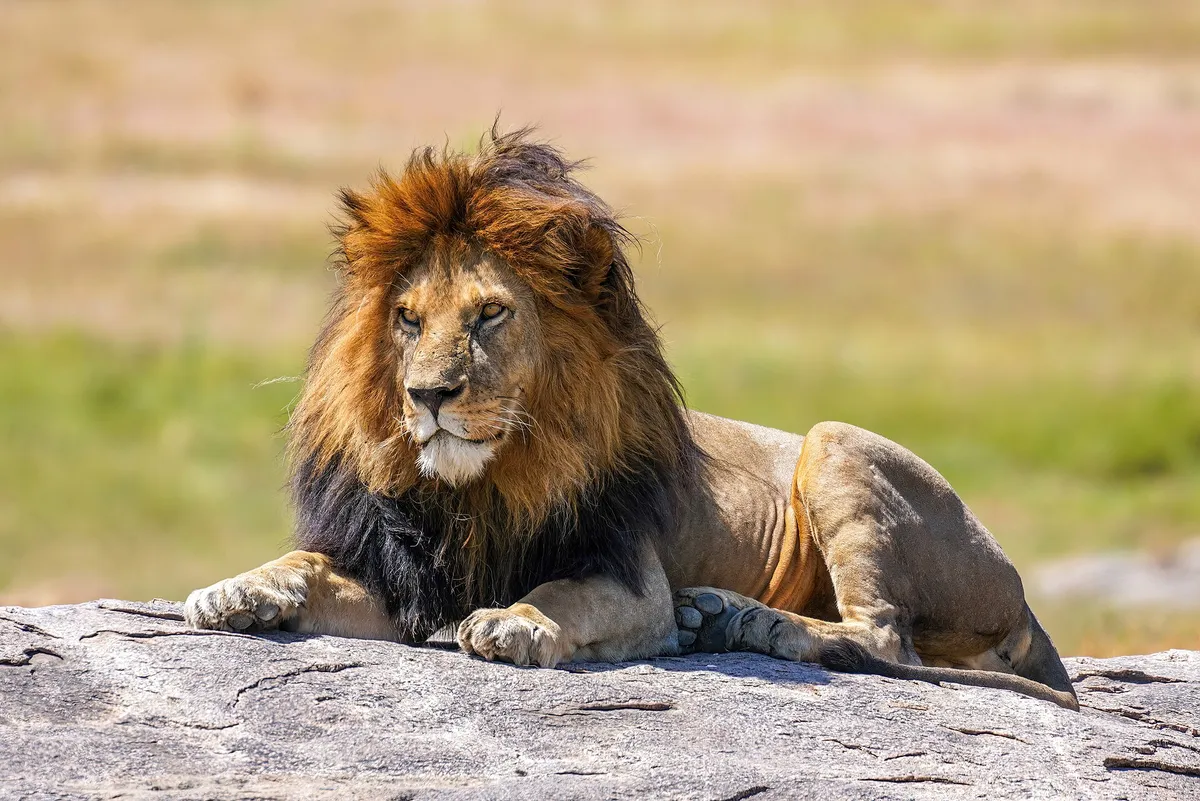 BelgiumVULionThe lion is the animal at the heart of Belgium's coat of arms: Belgium's Constitution names the Belgian lion as the arms of the kingdom, with the motto "Unity makes strength". The country has no officially designated national animal, so the lion is a heraldic symbol rather than a legal national animal.
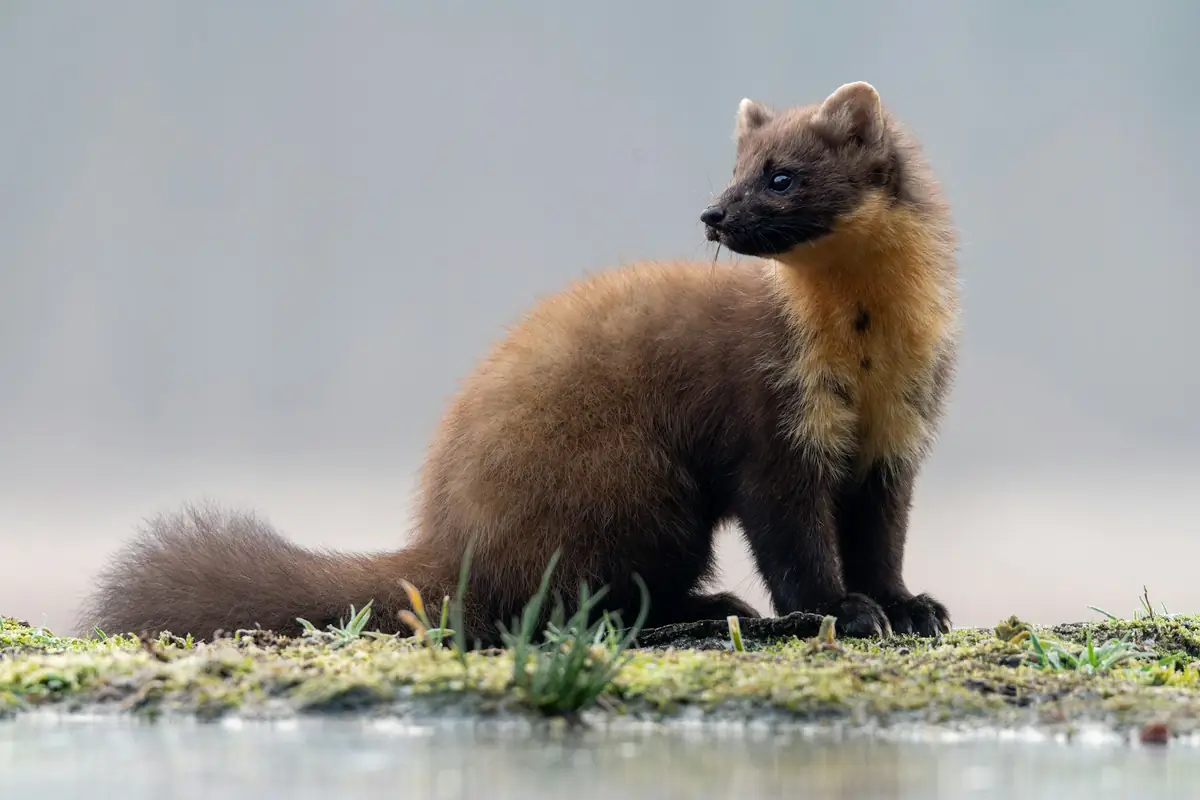 CroatiaLCPine martenThe pine marten, a nimble forest predator, gave its name to Croatia's former currency, the kuna, and still appears on the Croatian 1 euro coin.
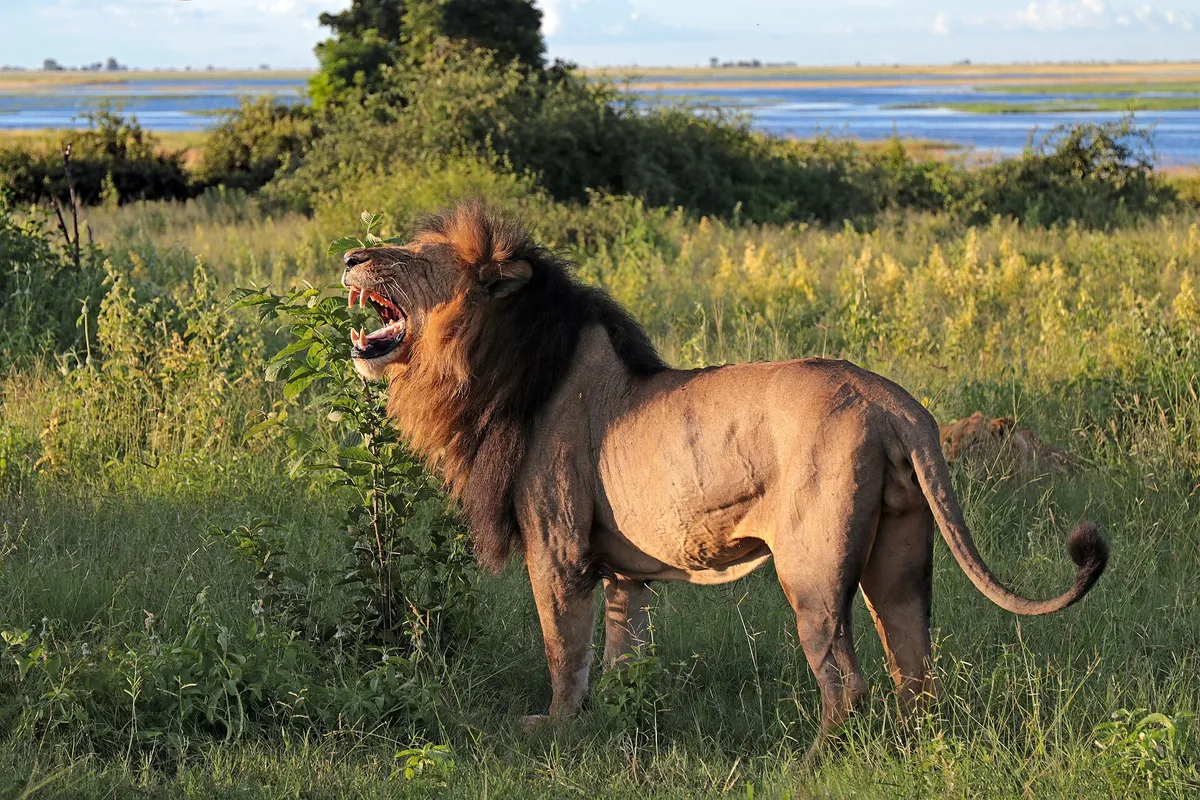 CzechiaVULionThe lion is the animal at the heart of Czechia's state symbols. A silver lion with two tails on a red shield has stood for Bohemia since the 13th century, and today the lion by itself is also used as a symbol of the whole Czech Republic. No law names it a national animal, so it is a heraldic symbol rather than an official one.
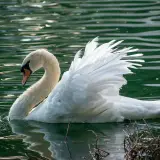
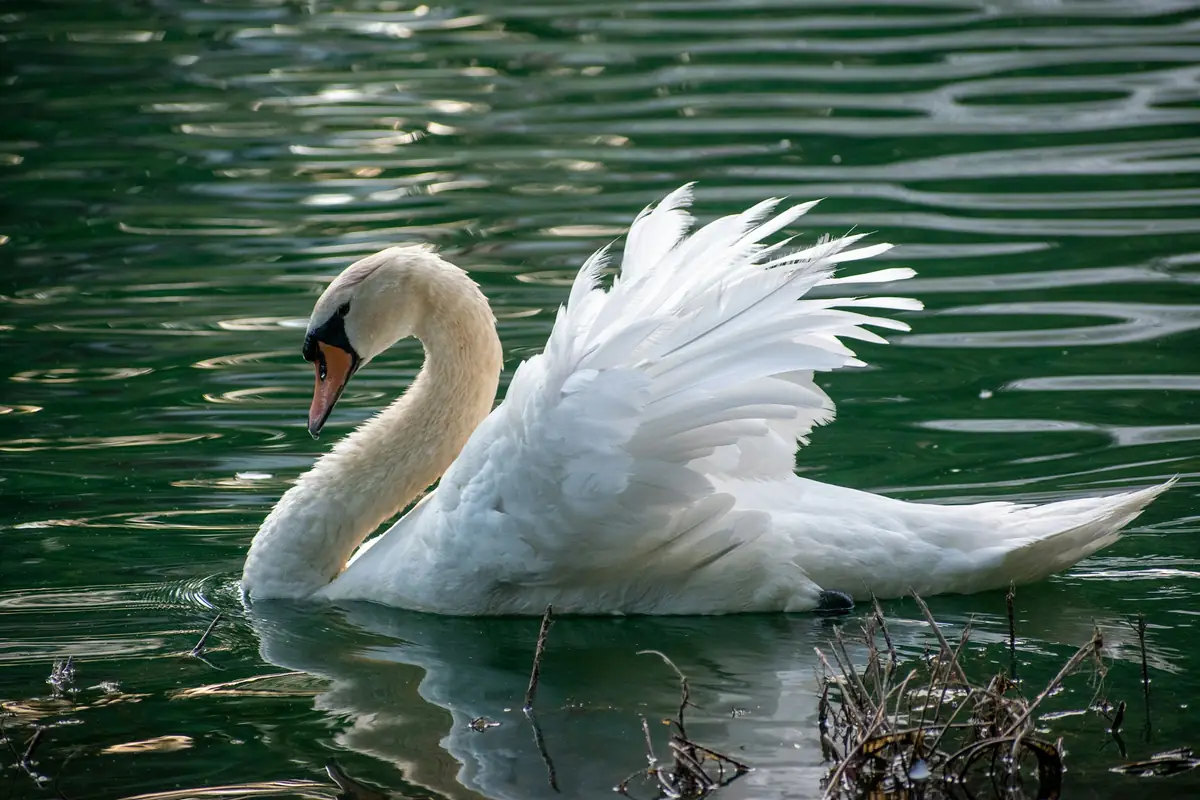 DenmarkLCMute swanThe mute swan became Denmark's national bird after a television vote in 1984. It is also linked to Hans Christian Andersen's tale The Ugly Duckling.
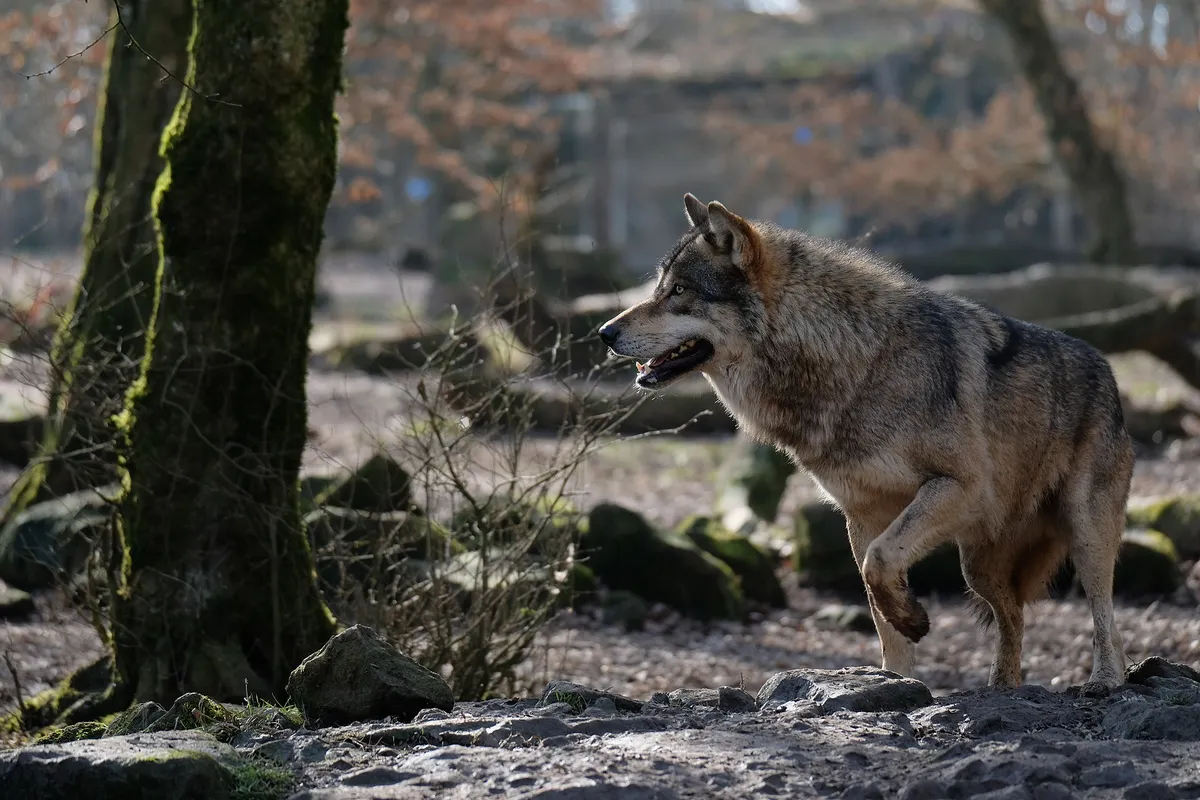 EstoniaLCGray wolfThe gray wolf, a large wild dog of Estonia's forests and bogs, was declared the country's national animal in 2018. A jury of nature conservation and cultural organizations chose it as a symbol of wild, untouched nature and as the first forest animal among Estonia's national species.
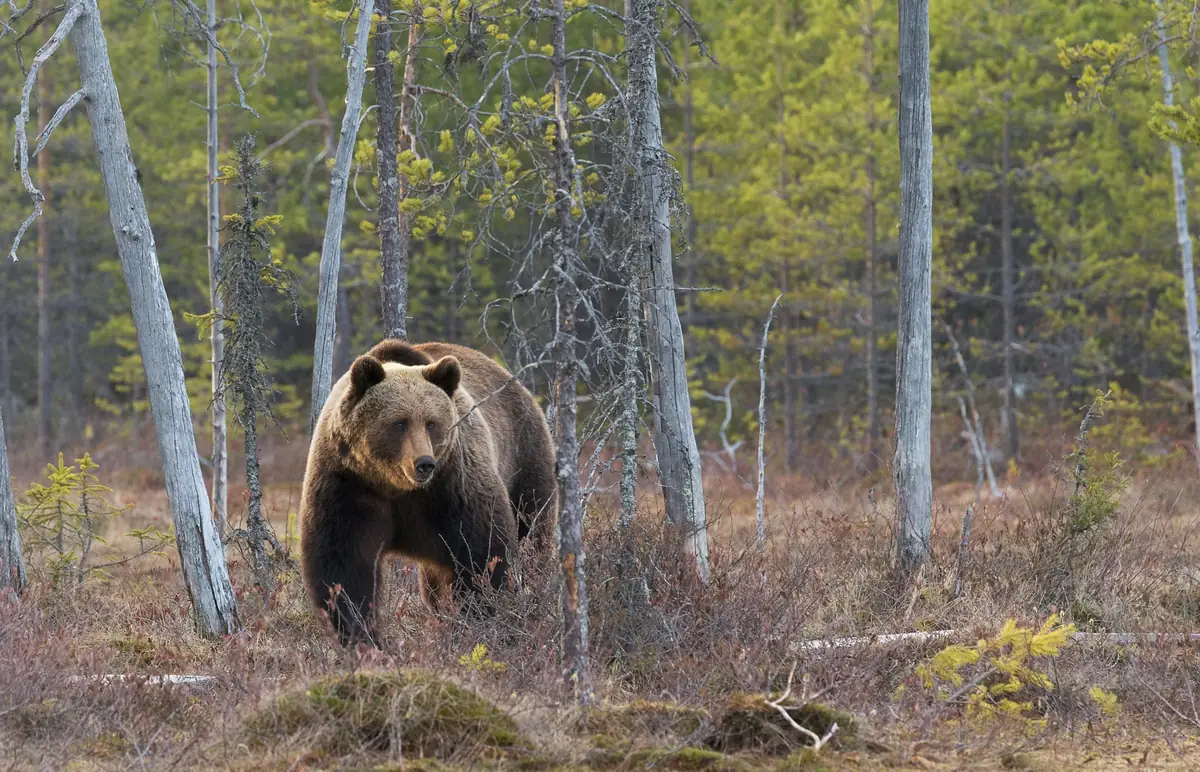 FinlandLCBrown bearThe brown bear, the largest predator in Finland's forests, was voted the country's national animal in 1985.
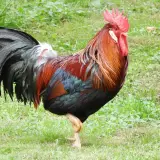
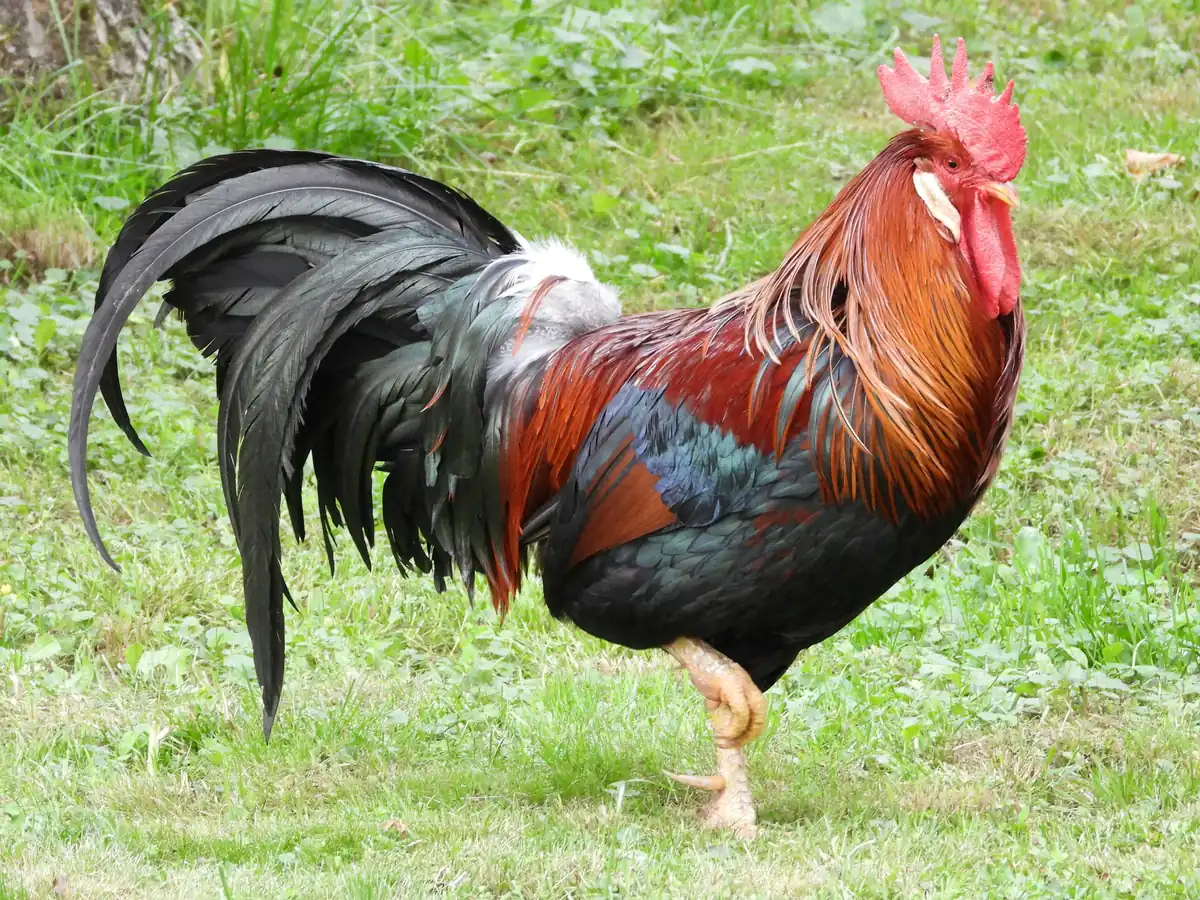 FranceNEGallic roosterThe Gallic rooster has been a symbol of France for centuries and is proudly worn by French sports teams. It is a traditional emblem rather than an official one.
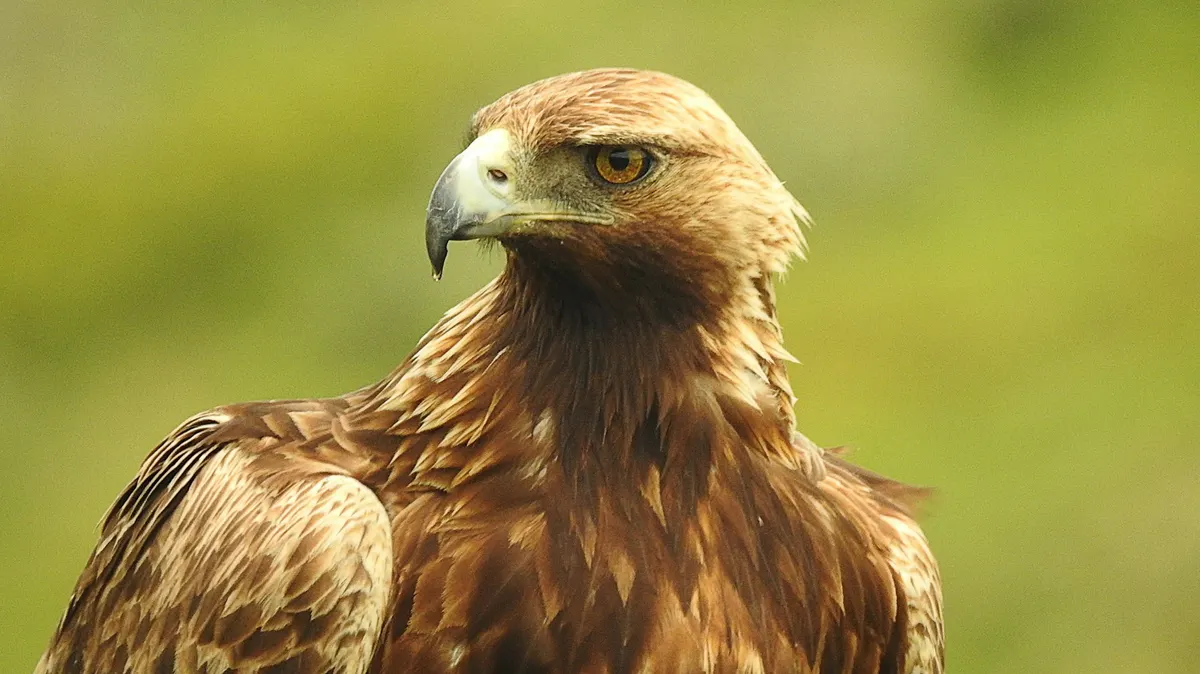 GermanyLCGolden eagleThe golden eagle is the real bird most often linked with the Bundesadler, the eagle on Germany's federal coat of arms, although the heraldic eagle itself is not tied to any one species.
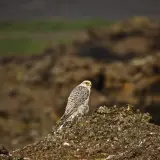
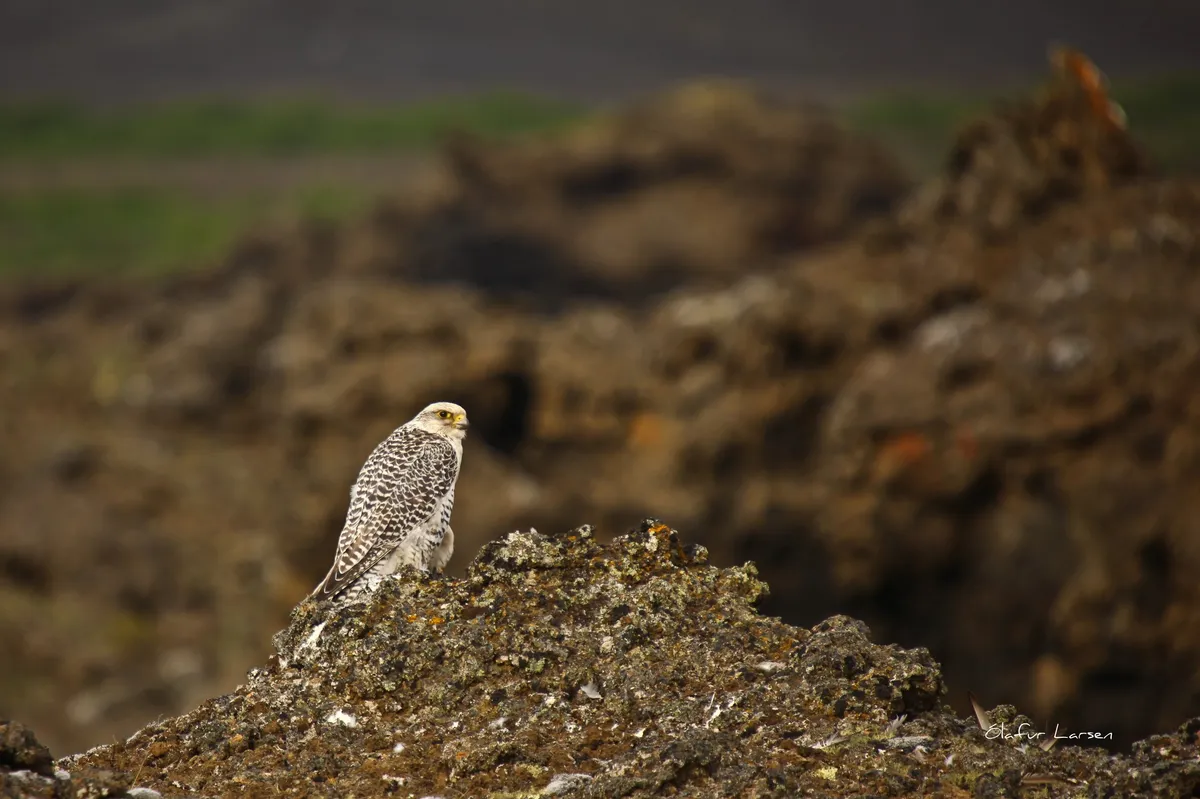 IcelandLCGyrfalconThe gyrfalcon, the largest falcon in the world, is the animal most closely tied to Iceland. It was the main figure on the Icelandic coat of arms from 1903 to 1919, it gives its name to the country's highest honour, the Order of the Falcon, and most Icelanders see it as their national bird, although it has never been officially designated.
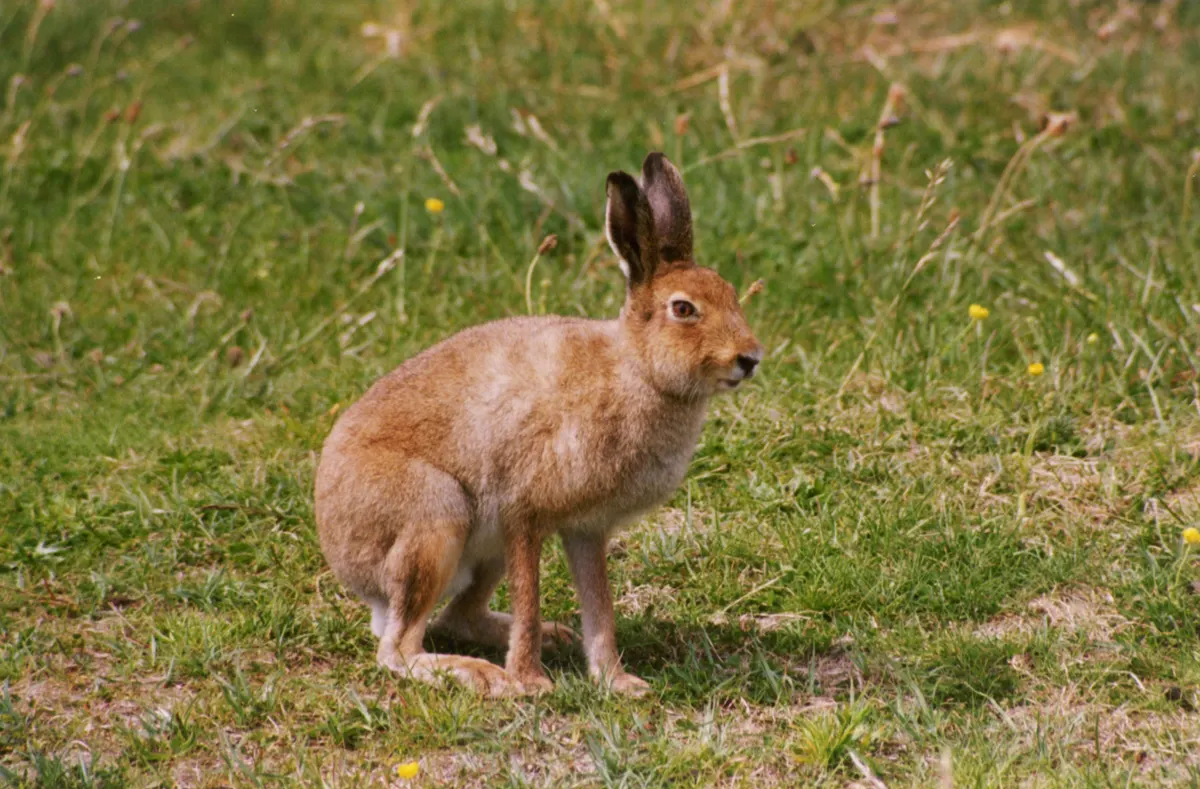 IrelandLCIrish hareThe Irish hare, a russet-brown hare found only on the island of Ireland, is the animal most often named as Ireland's national animal, although the country has no official one.
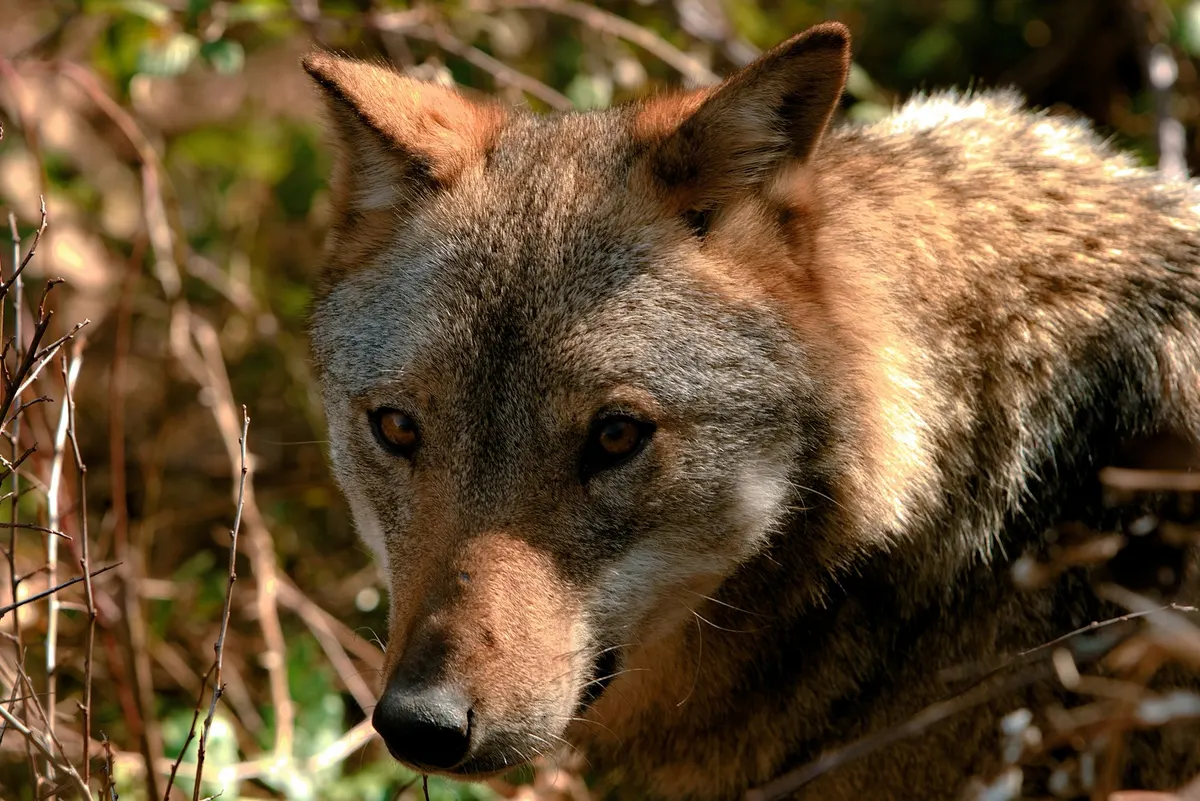 ItalyLCItalian wolfThe Italian wolf, a gray wolf of the Apennine Mountains and the Alps, is Italy's best-known national animal because, in legend, a she-wolf raised Rome's founders, Romulus and Remus.
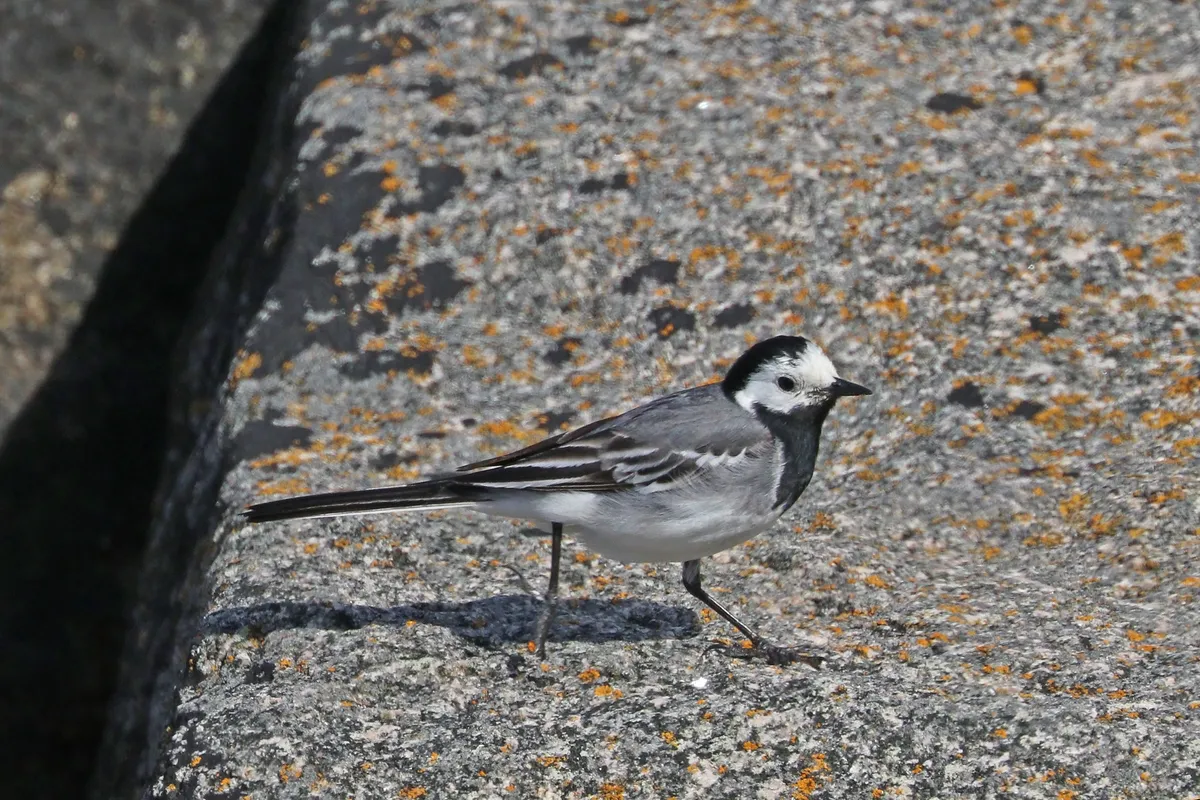 LatviaLCWhite wagtailThe white wagtail, a small black, white and grey bird with a long, constantly bobbing tail, is Latvia's national bird. It lives close to people in farmyards and towns, appears in Latvian folk songs, and was chosen as the national bird in 1965.
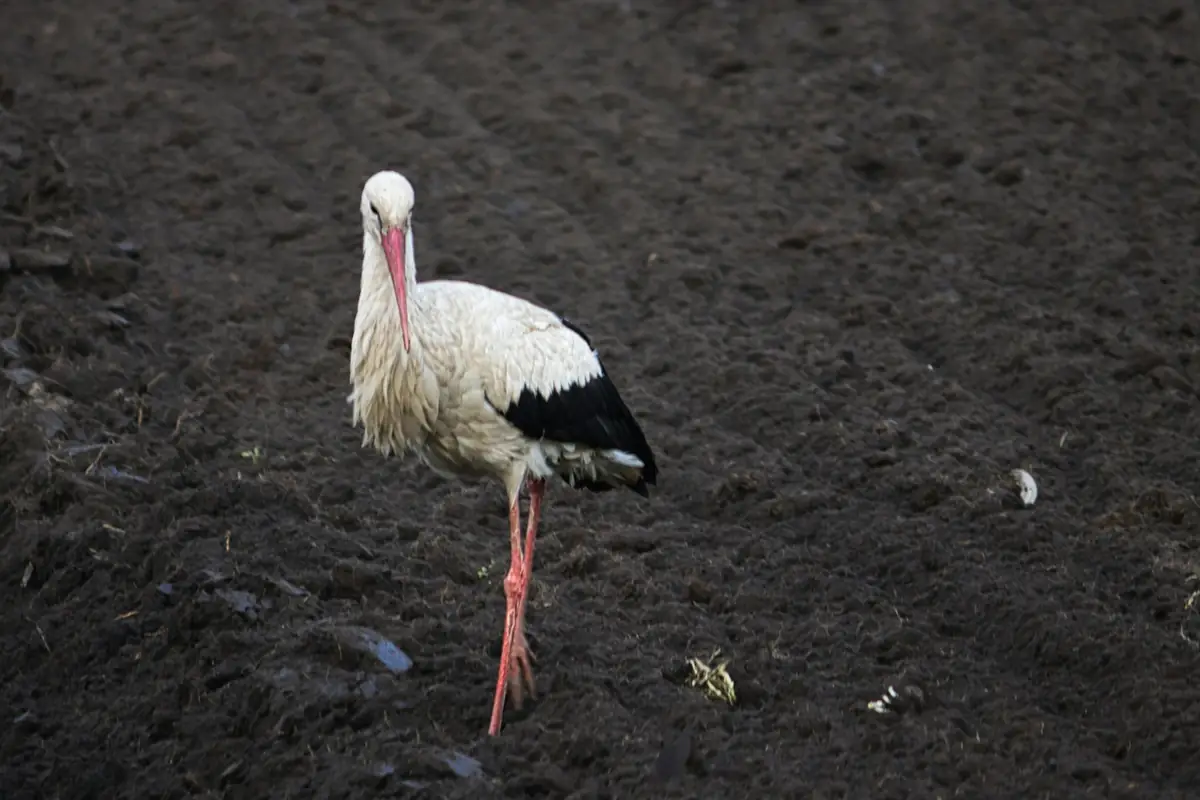 LithuaniaLCWhite storkThe white stork has been Lithuania's national bird since 1973. Storks nesting on farm buildings and poles are a familiar sight in the Lithuanian countryside.
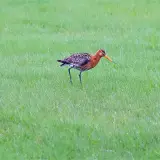
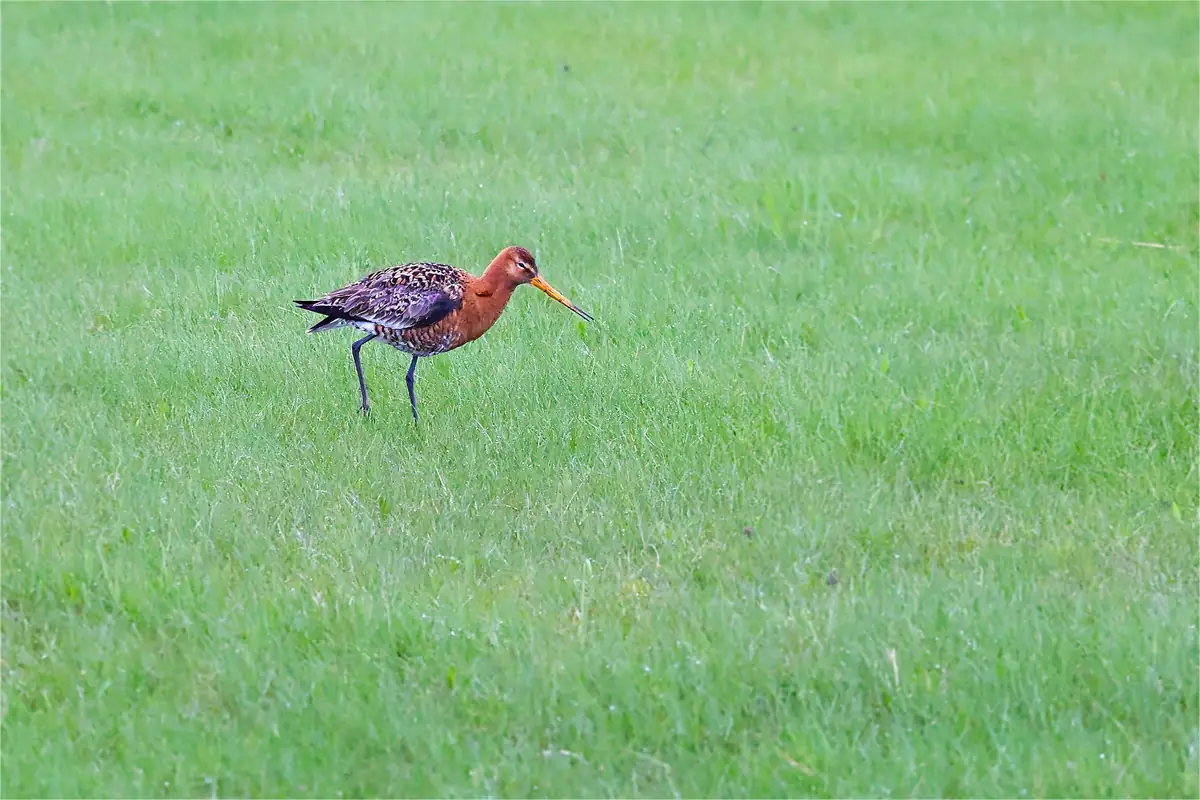 NetherlandsNTBlack-tailed godwitThe black-tailed godwit, a long-legged wading bird of wet meadows, was voted the Netherlands' national bird in 2015.
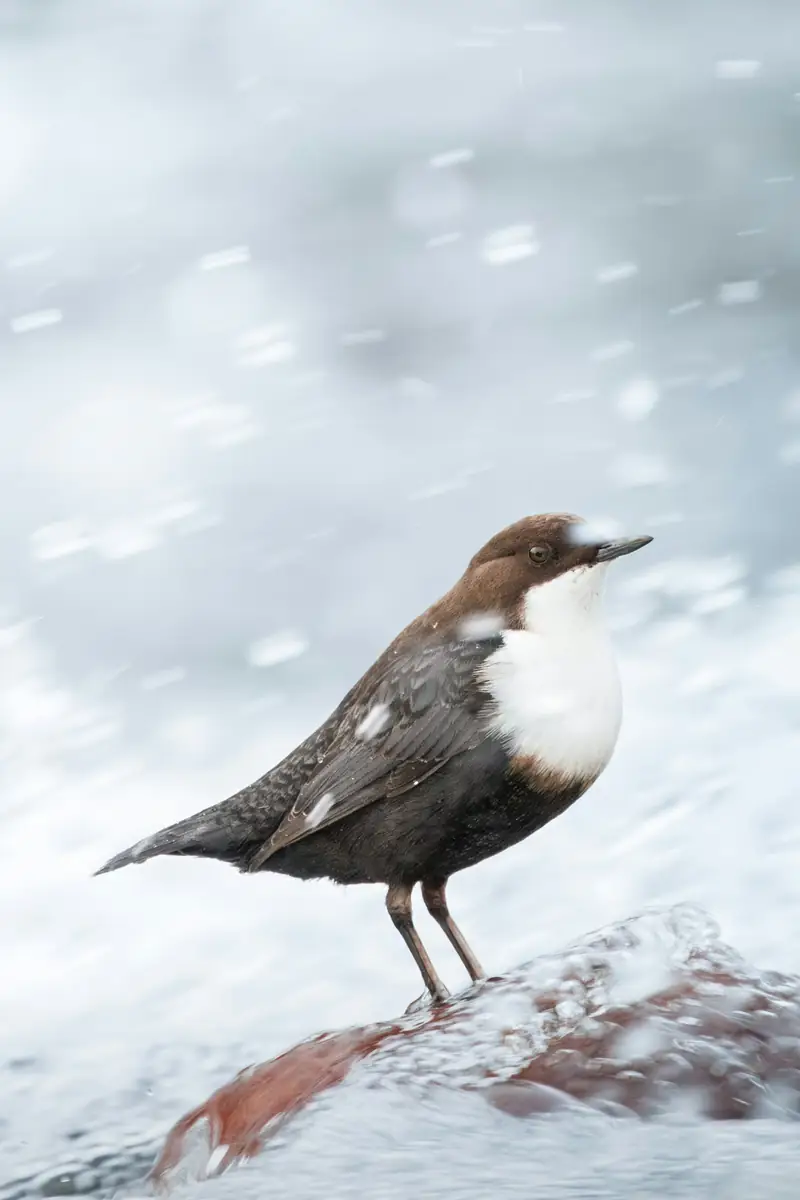 NorwayLCWhite-throated dipperThe white-throated dipper, a small bird that walks and swims underwater in fast streams, was voted Norway's national bird in 1963.
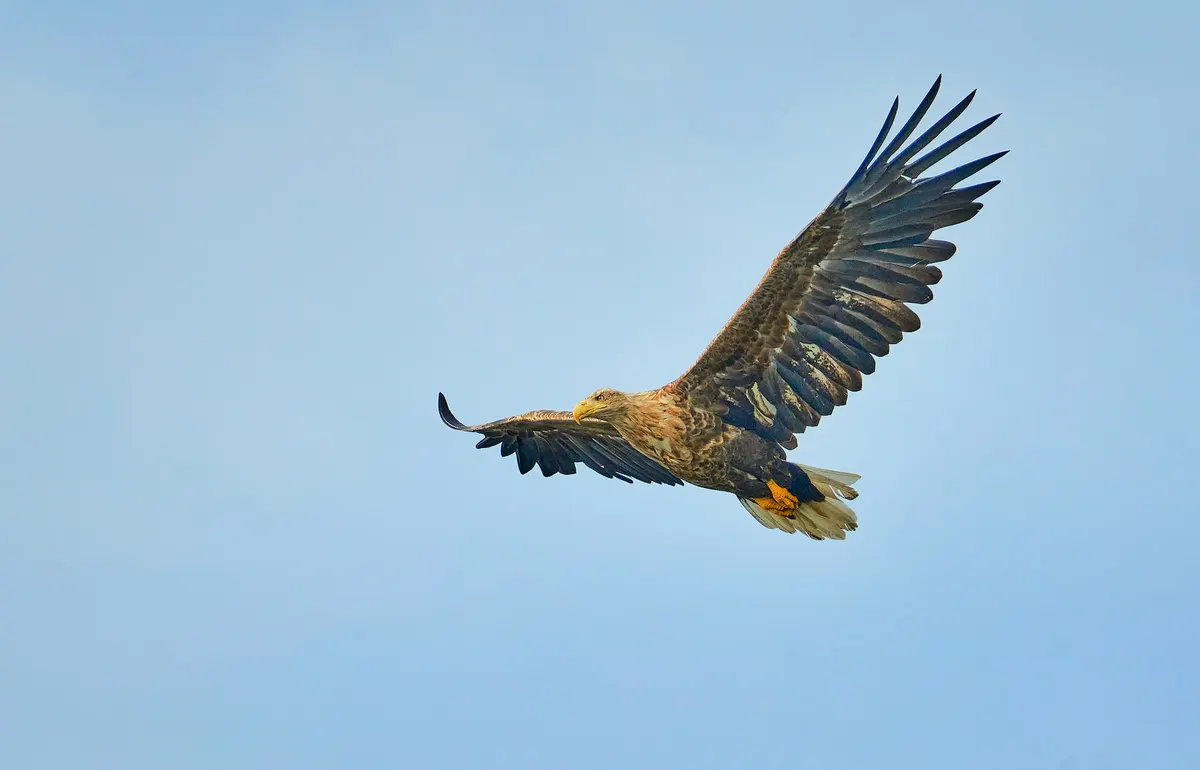 PolandLCWhite-tailed eagleThe white-tailed eagle, Poland's largest bird of prey, is widely seen as the real bird behind the White Eagle on Poland's coat of arms.
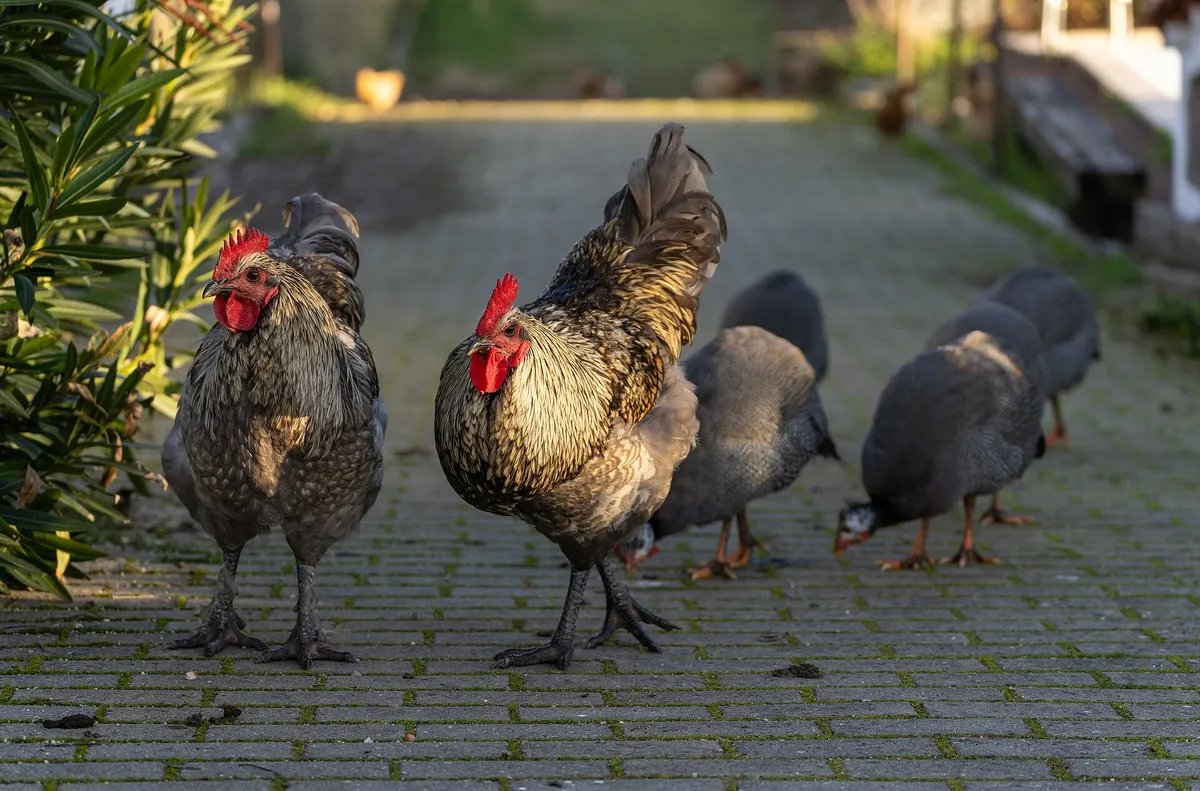 PortugalNERoosterThe rooster, best known through the brightly painted Rooster of Barcelos, is the animal most widely seen as a symbol of Portugal. It comes from a medieval legend about a roasted rooster that crowed to prove a pilgrim's innocence. Portugal has never officially named a national animal, so the rooster is a traditional symbol rather than a legal one.
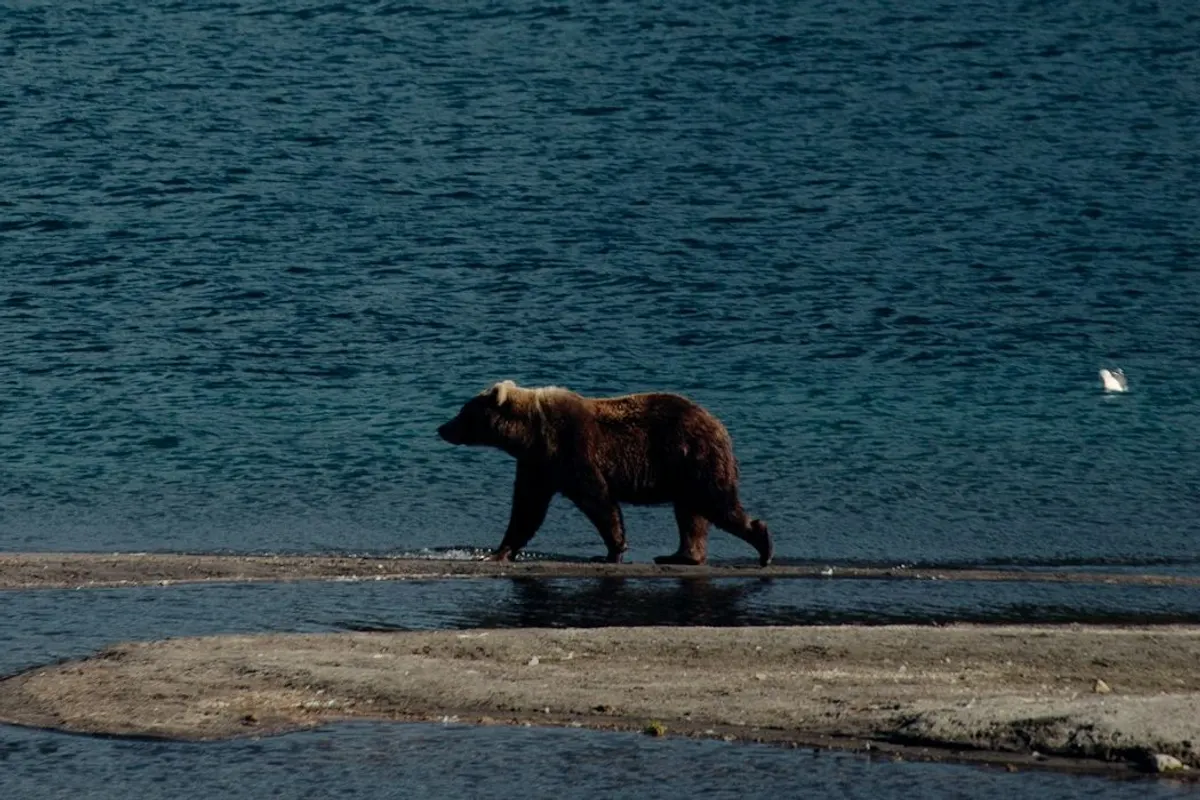 RussiaLCEurasian brown bearThe brown bear is Russia's best-known animal symbol. It has stood for the country in cartoons and stories for centuries, and Russians use it as a sign of national pride, although no law names it a national animal.
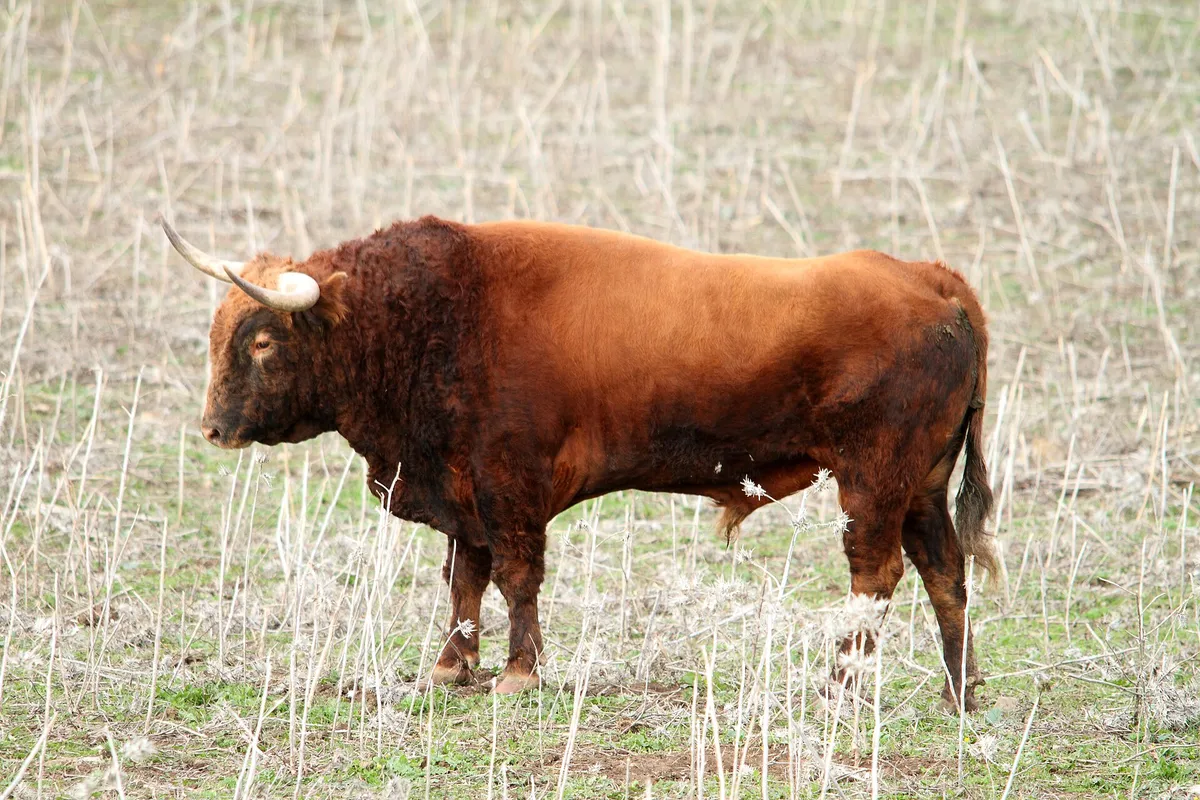 SpainNESpanish fighting bullThe Spanish fighting bull, or toro de lidia, is a breed of domestic cattle traditionally known as Spain's national animal. Spain has never made it an official symbol, but the bull runs deep in Spanish culture, from ancient stone sculptures to the giant black bull silhouettes that stand beside the country's roads.
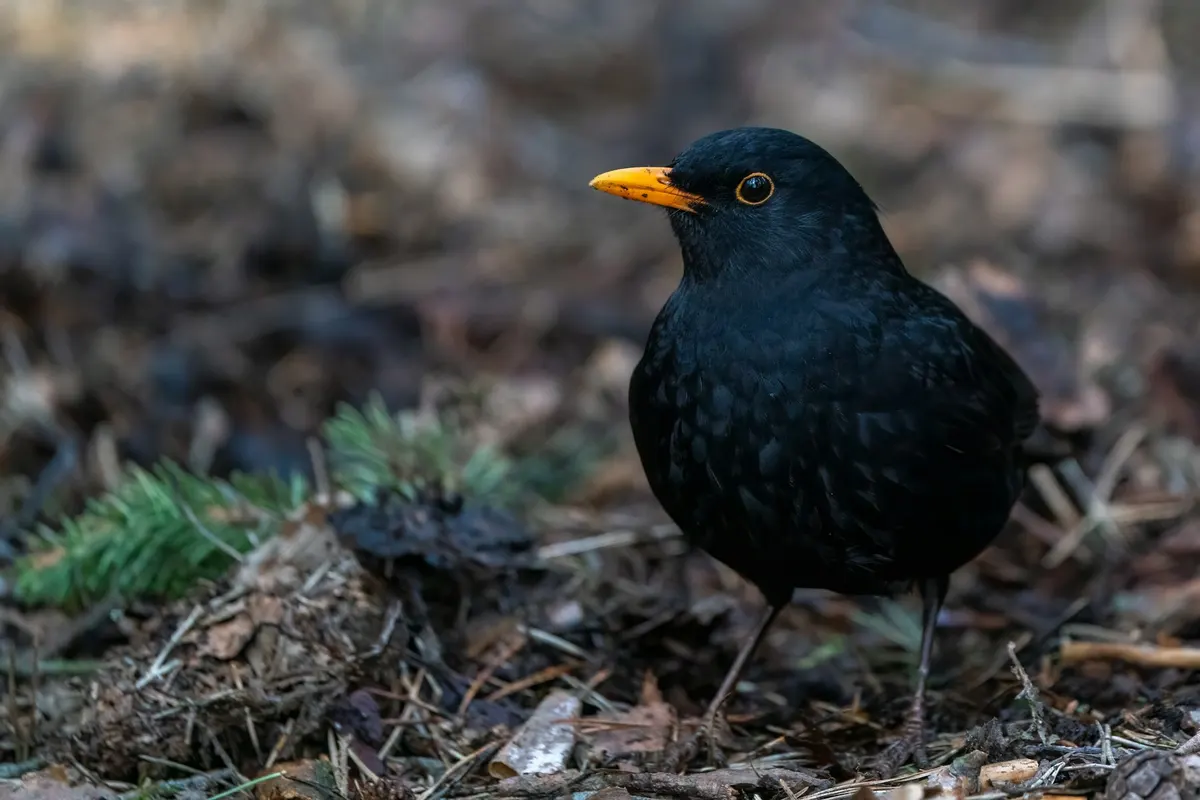 SwedenLCEurasian blackbirdThe Eurasian blackbird, a familiar garden songbird with a rich, fluting song, was voted Sweden's national bird in 1962 and chosen again in a nationwide vote in 2015.
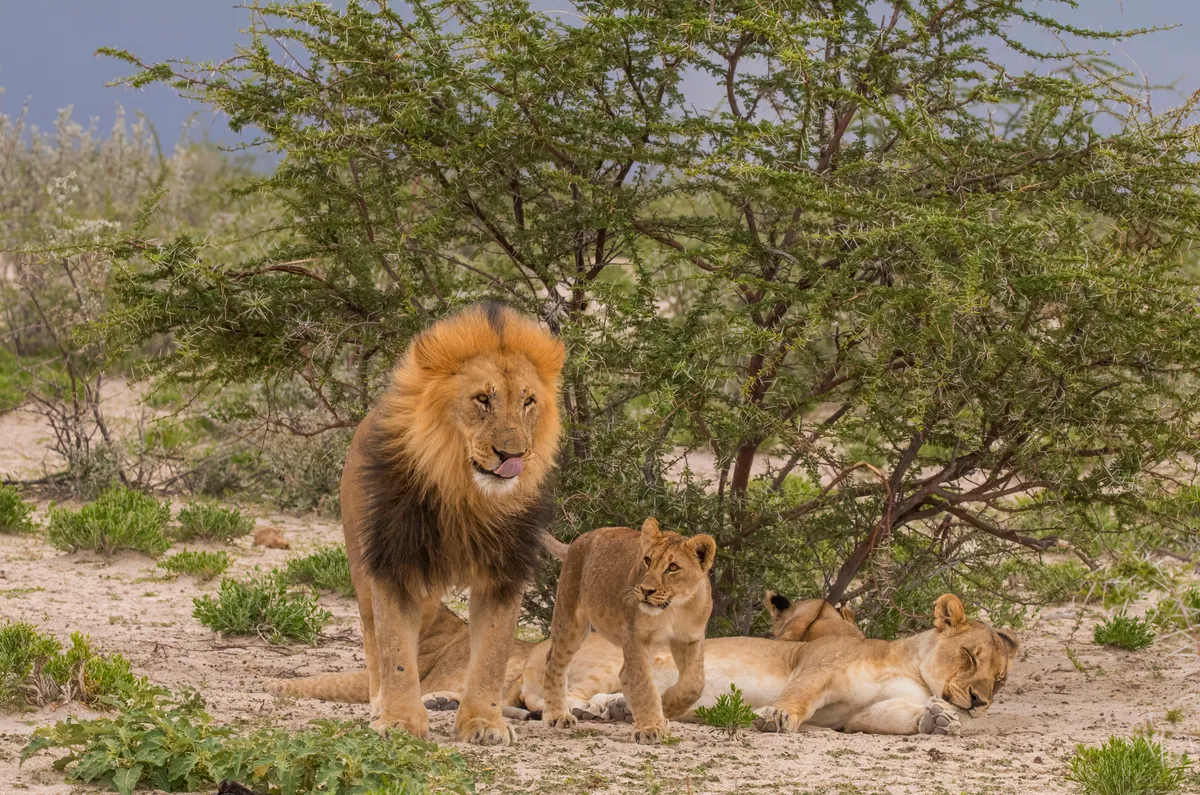 United KingdomVULionThe lion is the animal most closely tied to the United Kingdom's heraldry. Three lions stand for England on the Royal Arms, and a lion holds up one side of the shield. The UK has no officially designated national animal, so the lion is a traditional symbol rather than a legal one.
Africa 16
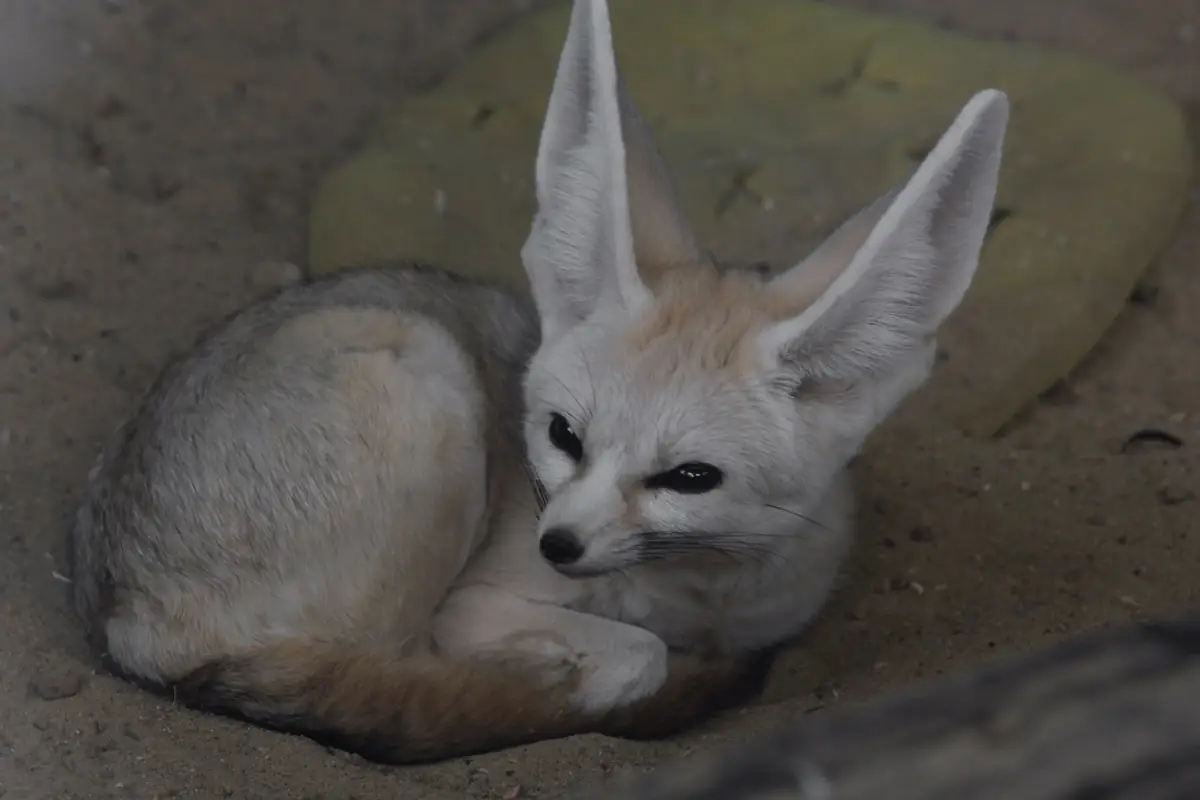 AlgeriaLCFennec foxThe fennec fox, the smallest fox in the world, is Algeria's national animal by tradition, and the national football team is nicknamed Les Fennecs.
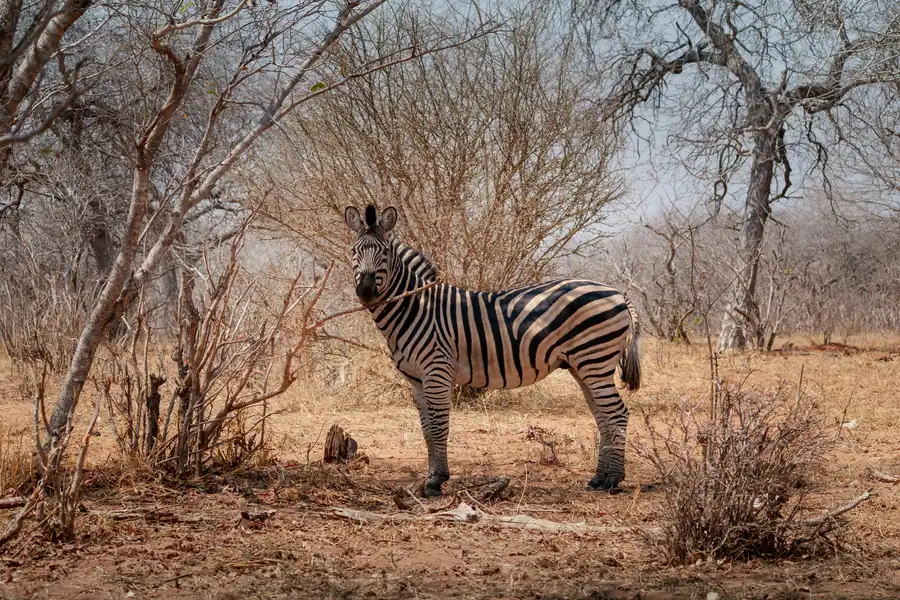 BotswanaNTPlains zebraTwo plains zebras support Botswana's coat of arms, and the zebra is widely regarded as the country's national animal.
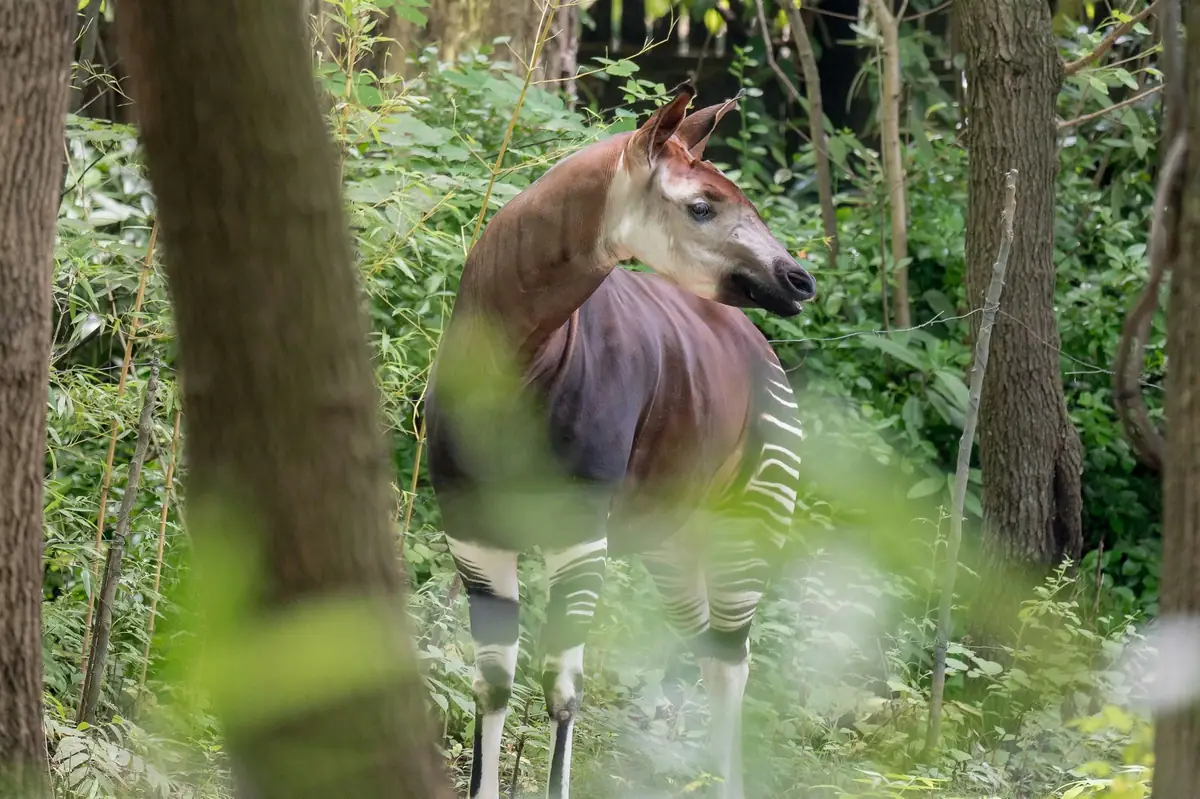 Democratic Republic of the CongoENOkapiThe okapi, a forest relative of the giraffe with striped legs, lives in the wild only in the Democratic Republic of the Congo and is the country's national animal by tradition.
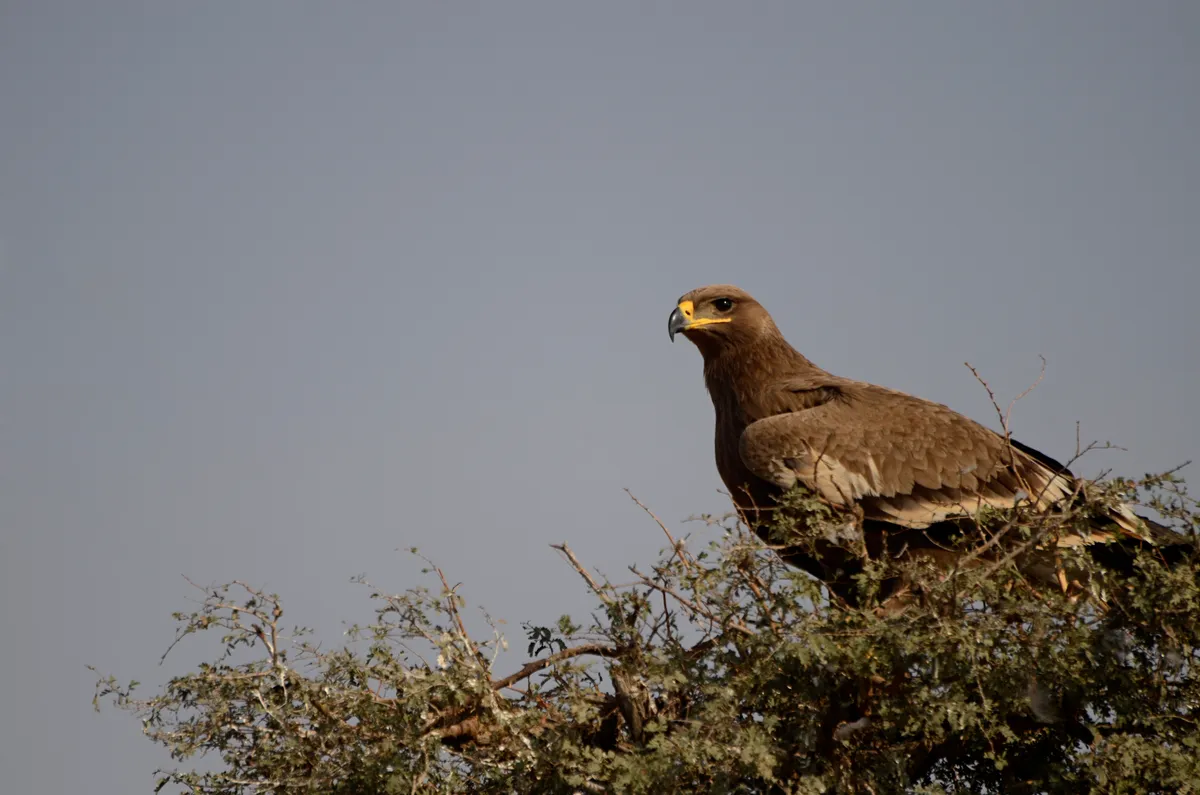 EgyptENSteppe eagleThe steppe eagle, a large dark-brown eagle of open country, is often named as Egypt's national animal and is linked to the Eagle of Saladin on the country's coat of arms. Thousands of steppe eagles pass over Egypt on migration, and many spend the winter there.
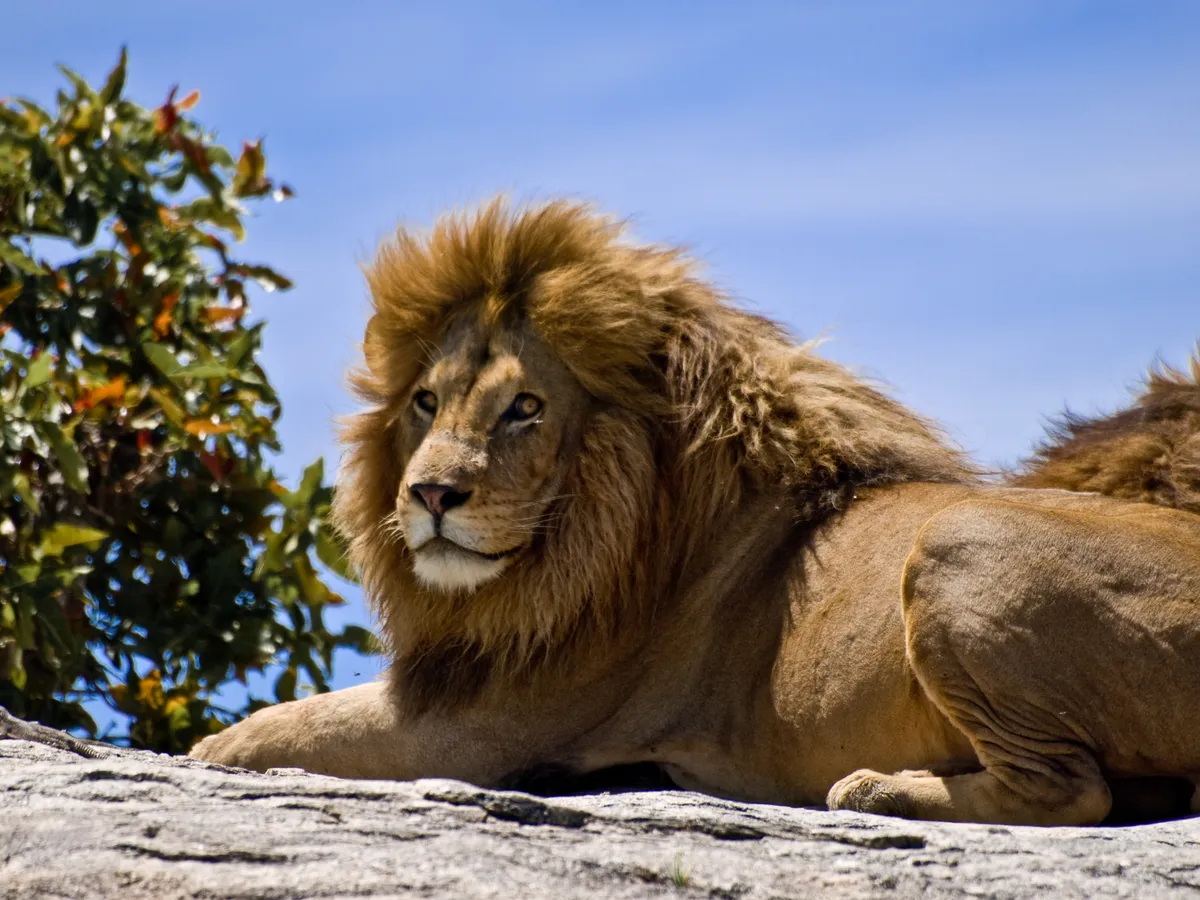 EthiopiaVULionThe lion is widely regarded as a national symbol of Ethiopia, where its image appears on statues, emblems and coins. Ethiopia's wild lions now live in a limited number of scattered areas, and a captive group in Addis Ababa, known for the dark manes of its males, has been found to be genetically distinct.
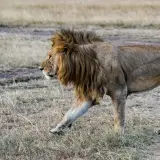
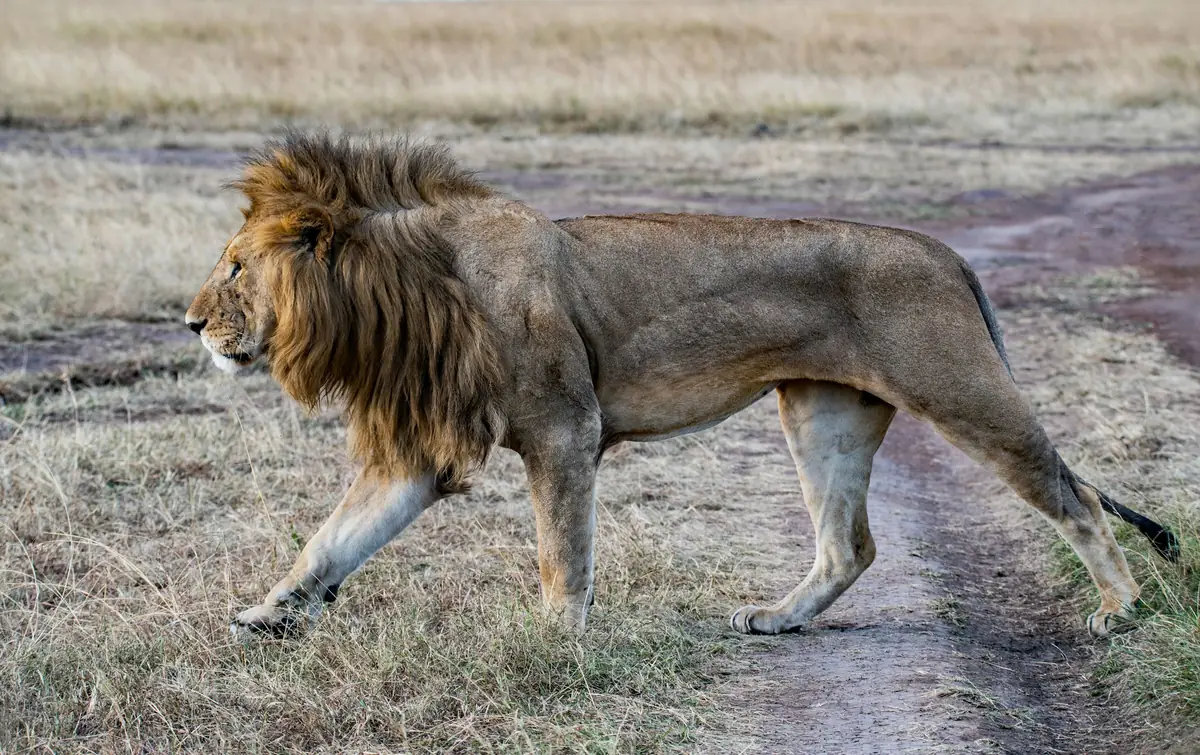 KenyaVULionTwo lions flank the shield on Kenya's coat of arms. Beyond the emblem, Kenya Wildlife Service reported 2,512 wild lions in its 2025 census, down from 2,589 in 2021.
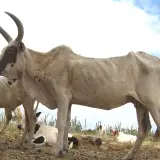
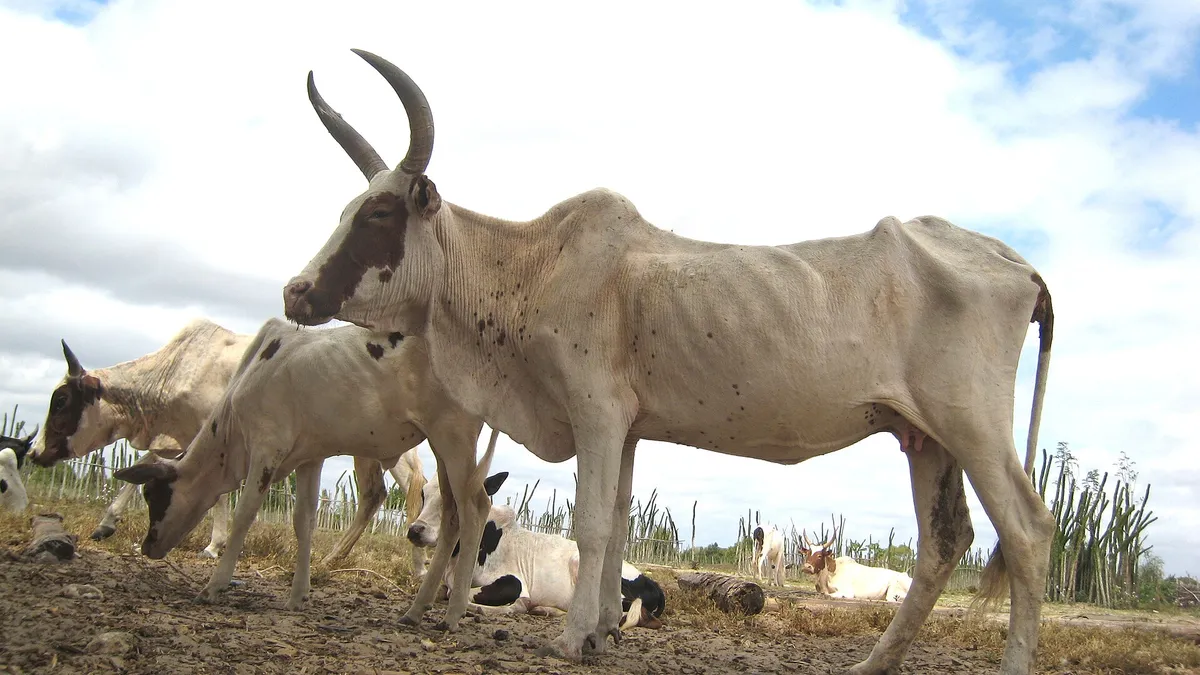 MadagascarNEZebuThe zebu, a humped breed of domestic cattle, is Madagascar's most important animal emblem. A zebu head appears on the country's Seal of the Republic, and for generations the size of a family's herd has been a measure of its wealth and standing.
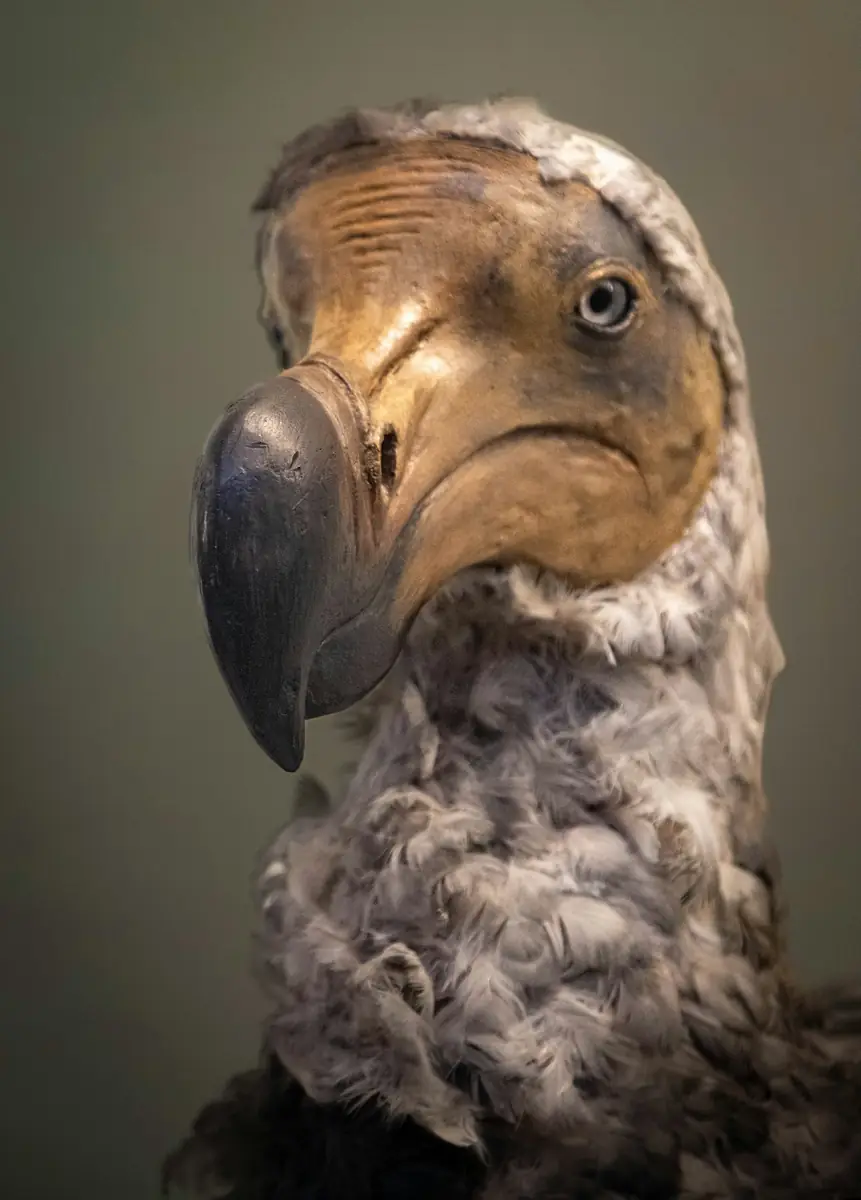 MauritiusEXDodoThe dodo, a large flightless bird found only on Mauritius, was extinct by the late 1600s but lives on as the country's best-known symbol and on its coat of arms.
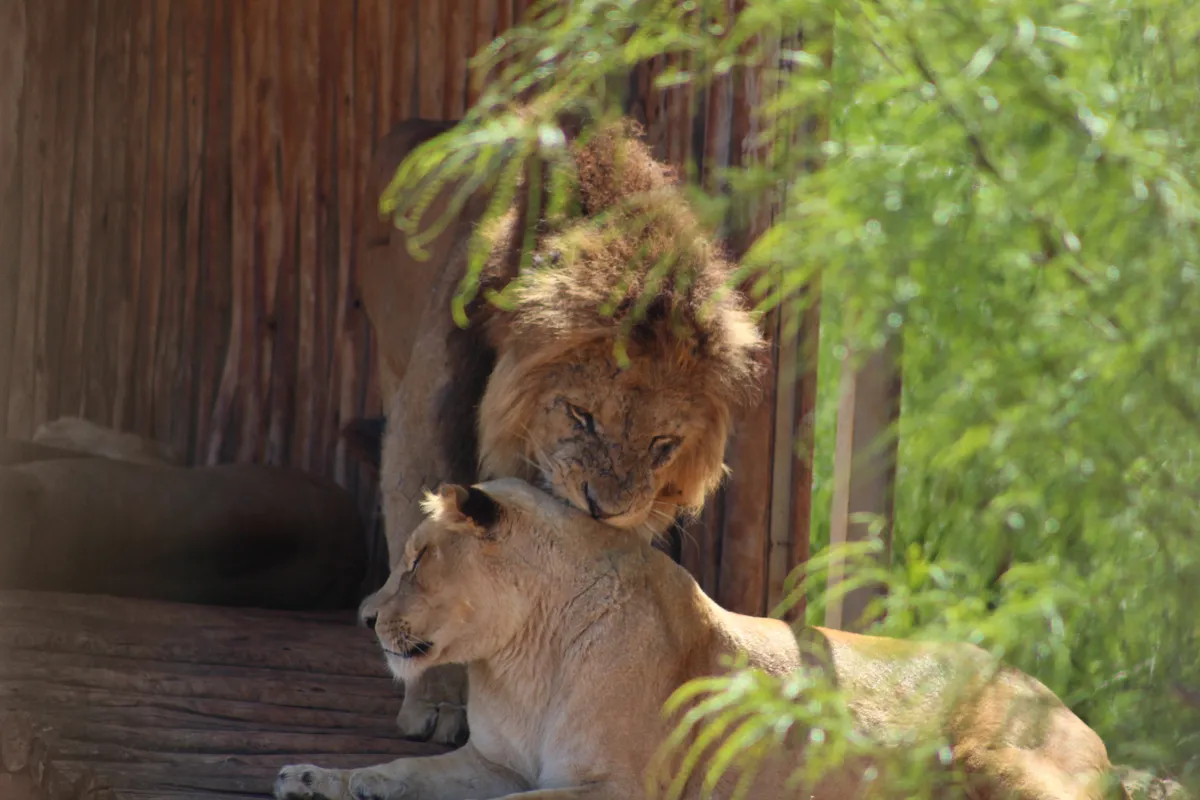 MoroccoVUBarbary lion (Atlas lion)The Barbary lion, also called the Atlas lion, is the lion of North Africa's mountains and Morocco's best-known animal symbol. It is extinct in the wild, but lions descended from the Moroccan royal collection still live at Rabat Zoo.
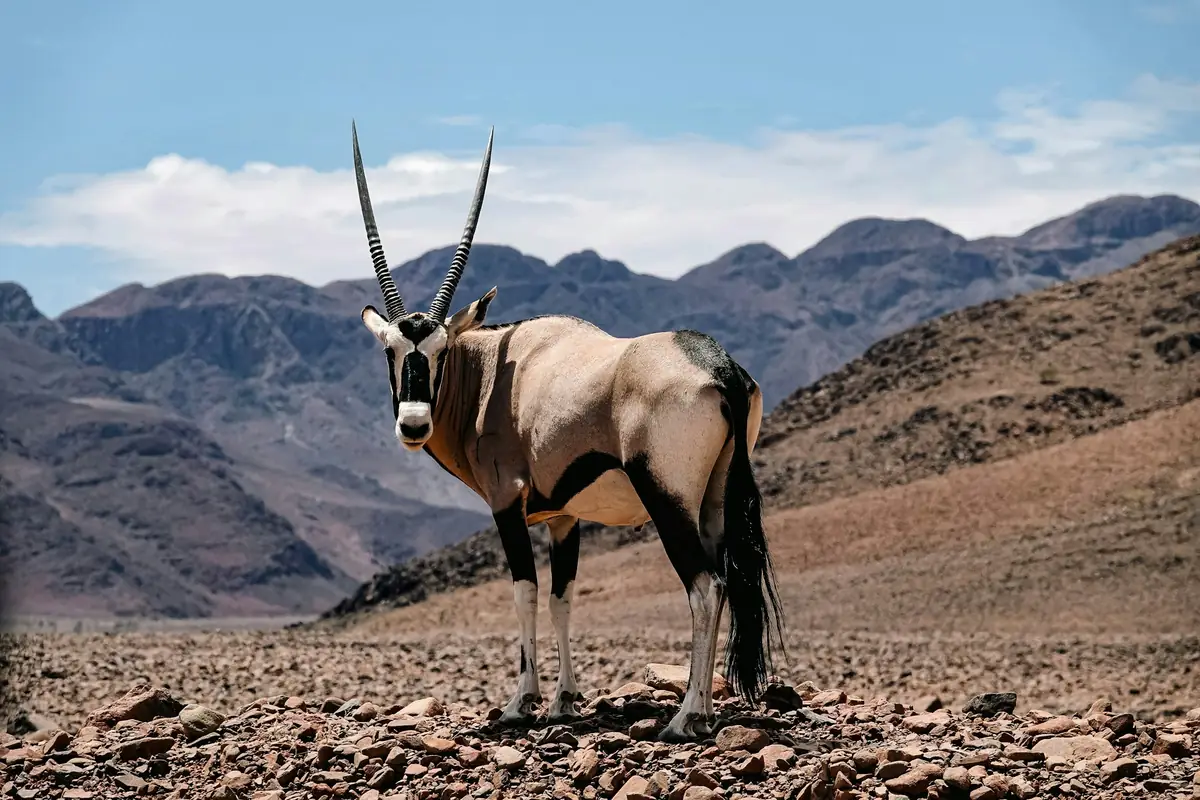 NamibiaLCGemsbokThe gemsbok, a large desert antelope with long straight horns, supports Namibia's coat of arms and can live in very dry country.
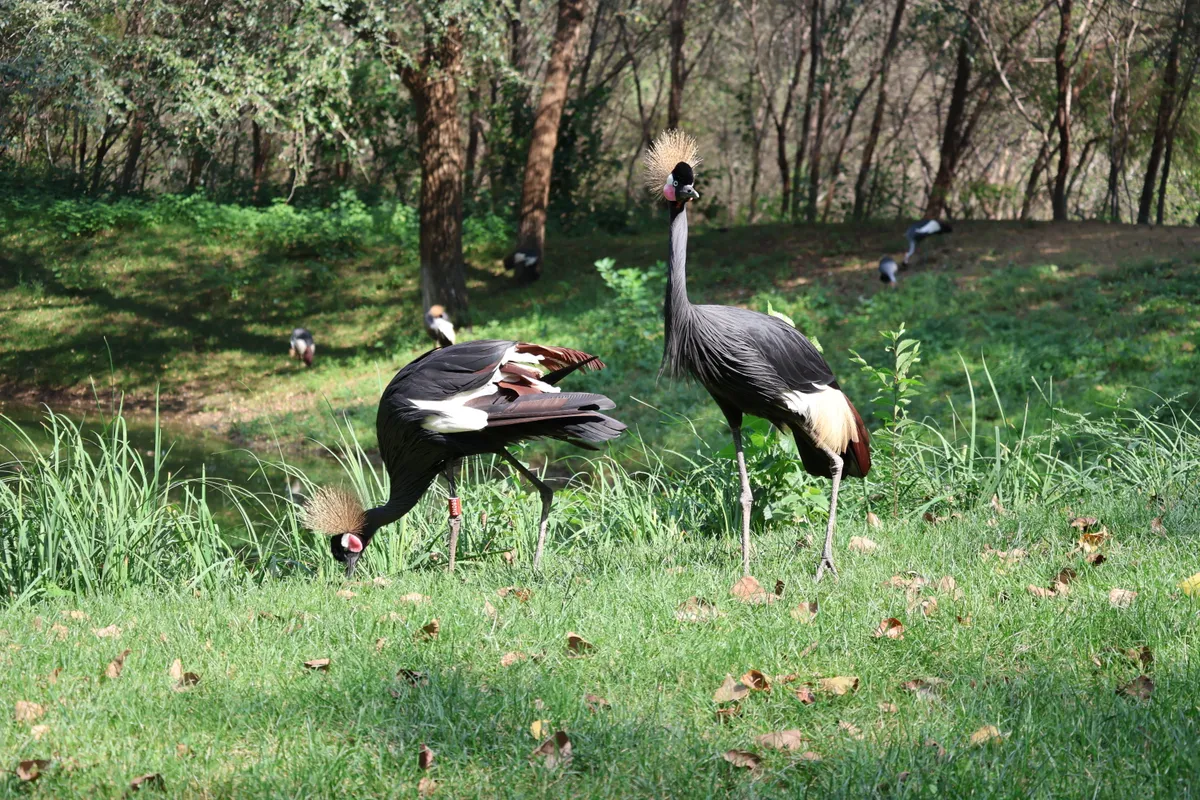 NigeriaVUBlack crowned craneThe black crowned crane, a tall dark-bodied crane with a golden crest of stiff feathers, is widely described as Nigeria's national bird. A 2019 specialist-group review says it may have been extirpated from Nigeria, where it once lived in large numbers in northern wetlands.
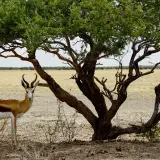
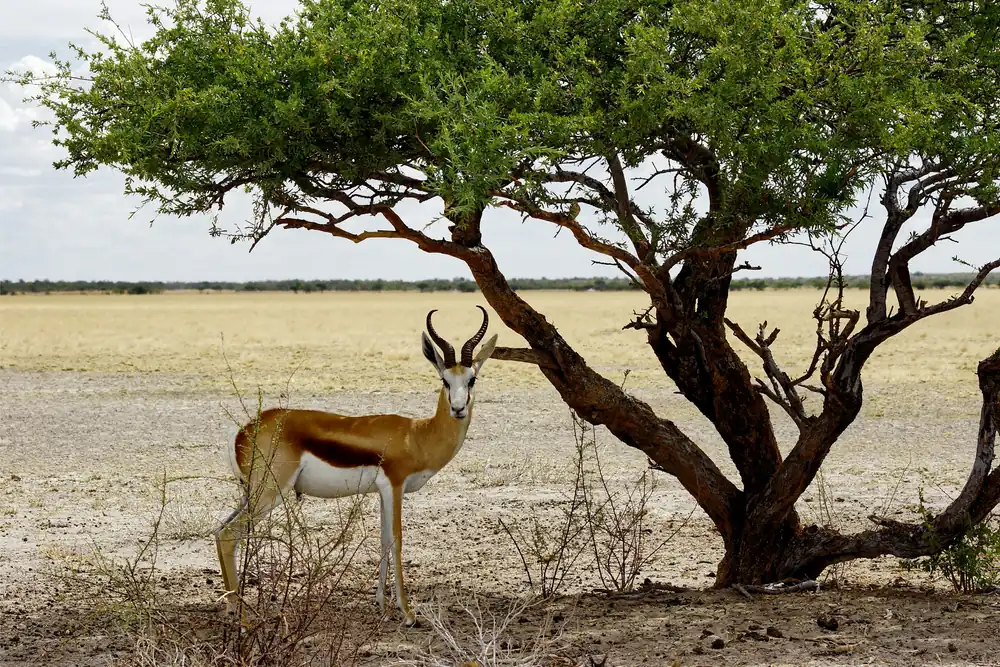 South AfricaLCSpringbokThe springbok, a fast and graceful antelope of the dry west, is South Africa's national animal and gives its name to the national rugby team.
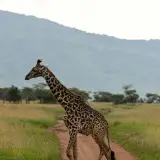
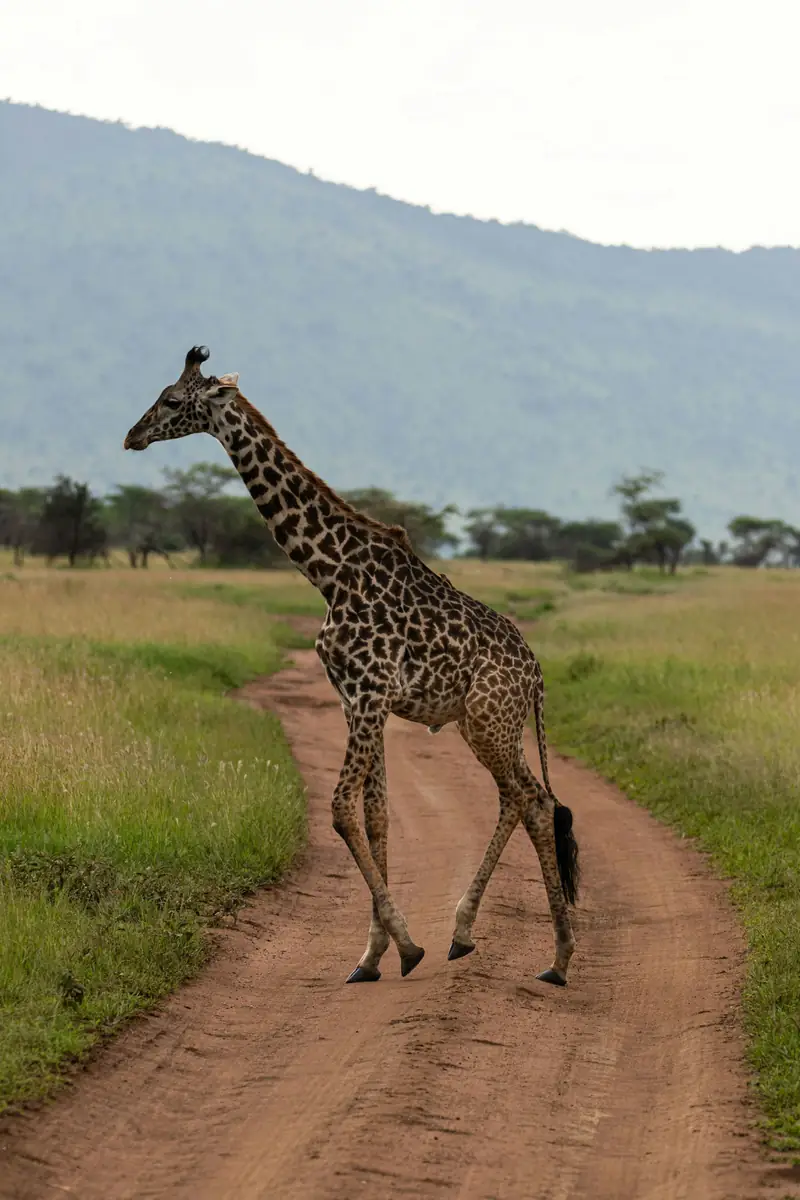 TanzaniaENMasai giraffeThe Masai giraffe, a subspecies of the tallest land animal, is widely regarded as Tanzania's national animal, although it is not among the country's official symbols.
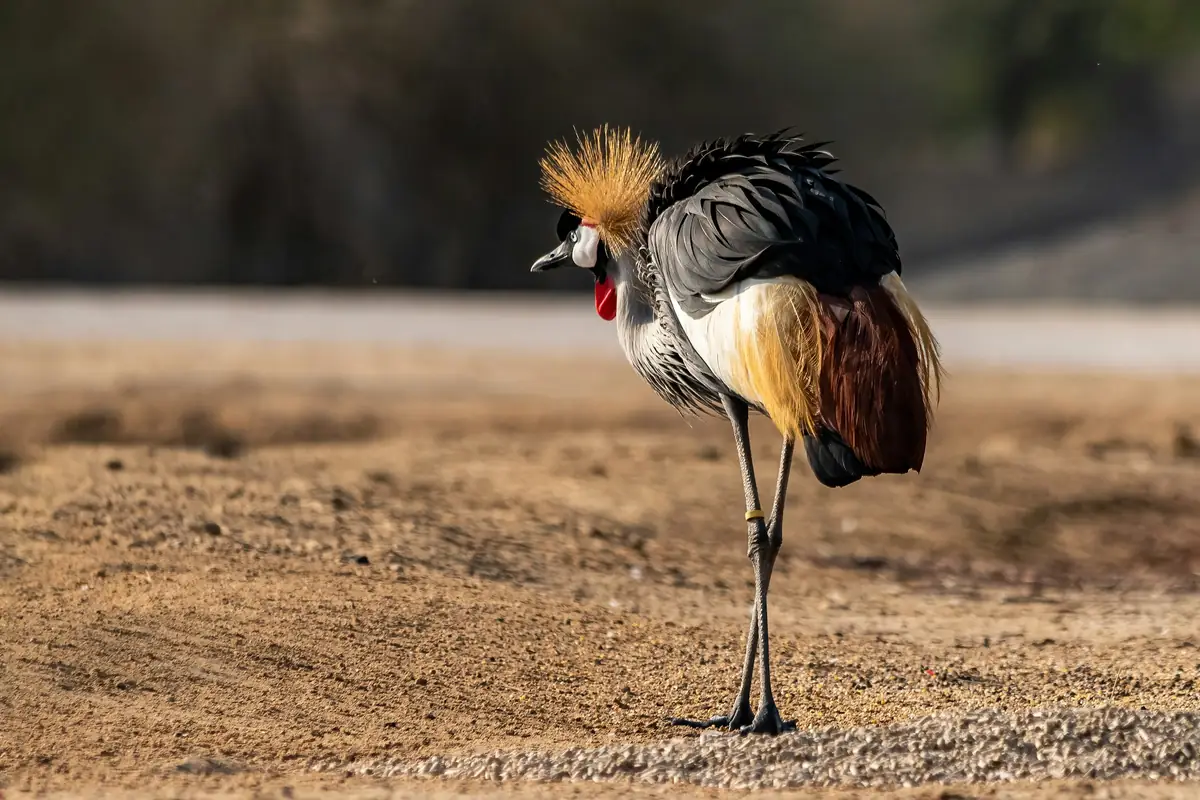 UgandaENGrey crowned craneThe grey crowned crane, with its golden crown of feathers, appears on Uganda's flag and coat of arms.
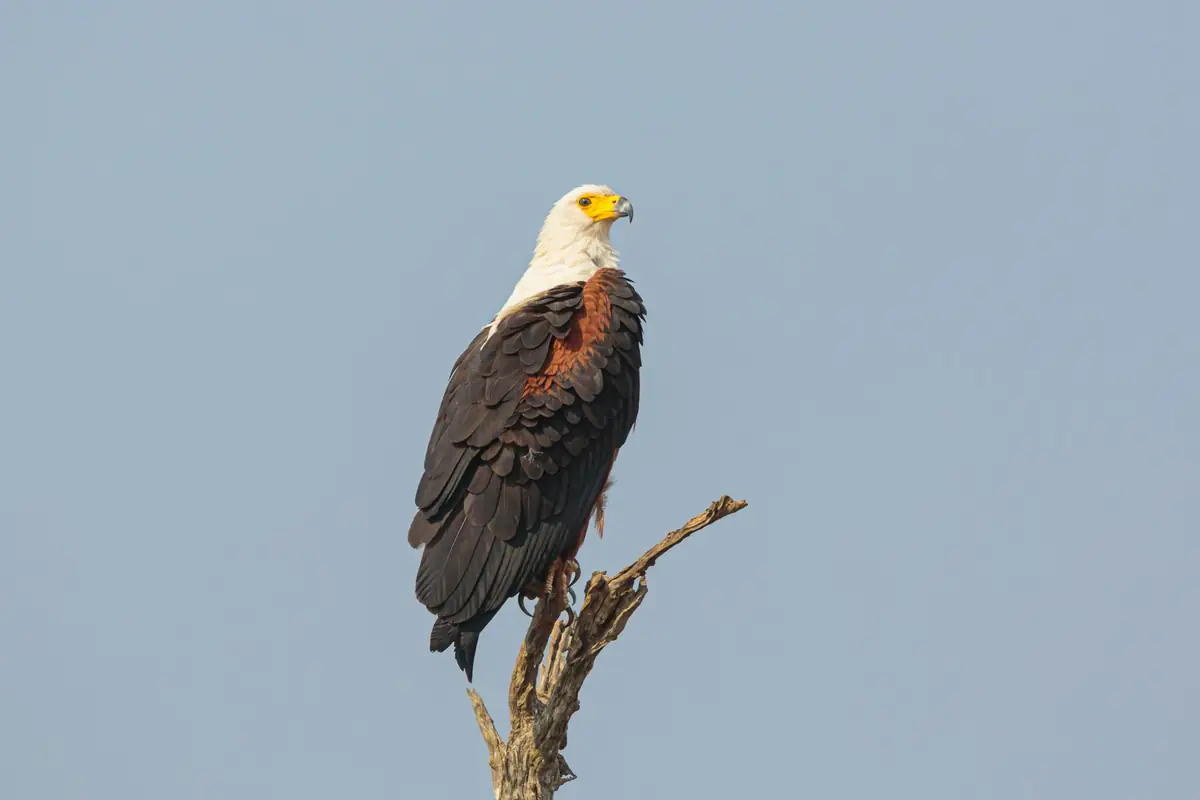 ZambiaLCAfrican fish eagleThe African fish eagle, famous for its ringing call over rivers and lakes, soars on the flag and coat of arms of Zambia.
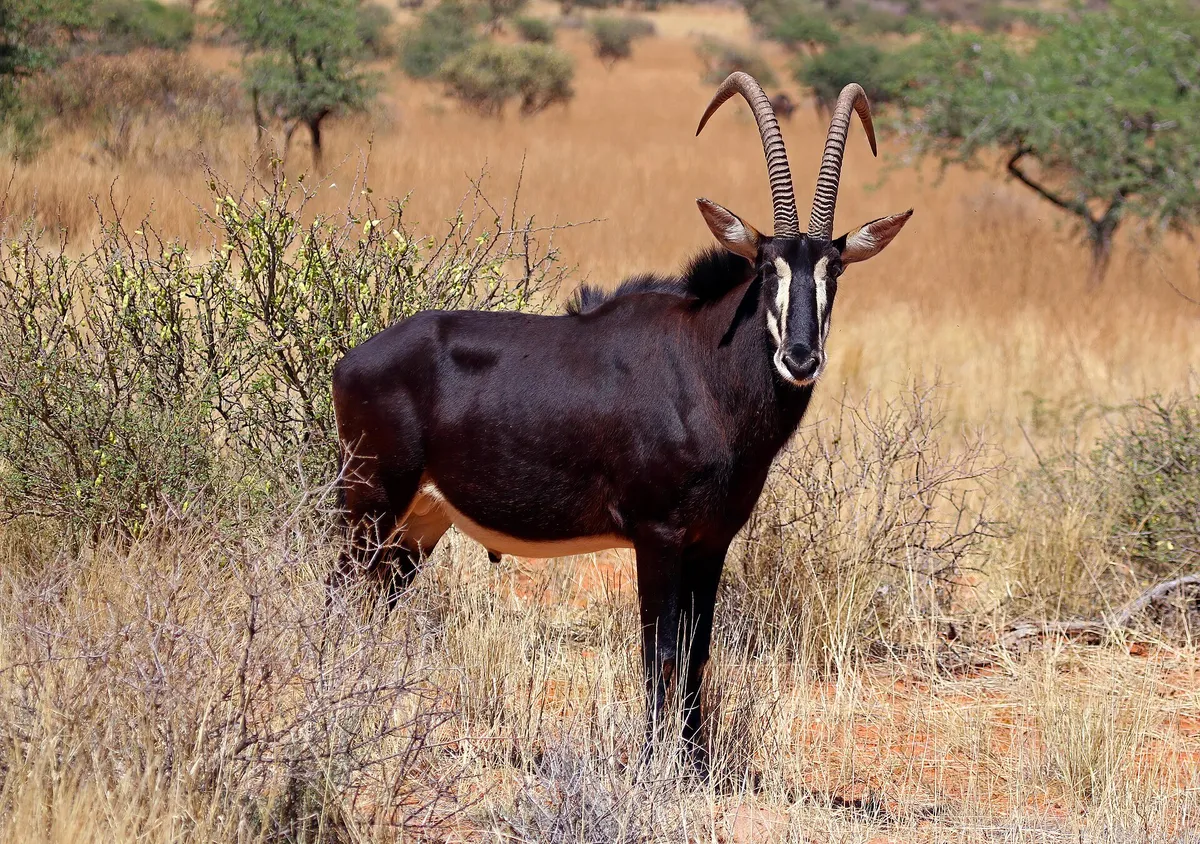 ZimbabweLCSable antelopeThe sable antelope, a glossy black antelope with long, curved horns, is widely described as Zimbabwe's national animal. It lives in several of the country's national parks, and recent conservation work has brought more sable back to a park where numbers had fallen.
North and Central America 12
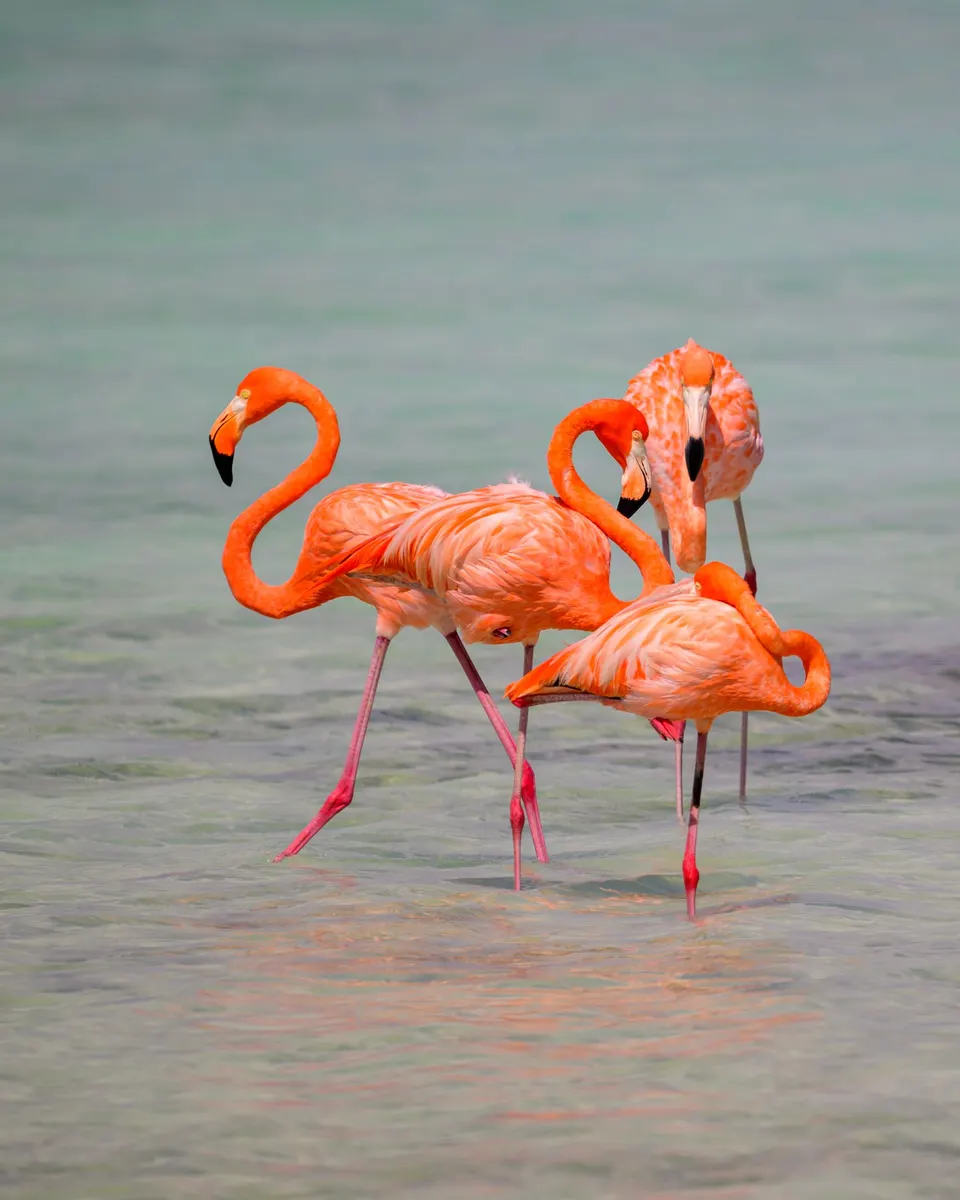 BahamasLCAmerican flamingoThe American flamingo is the national bird of the Bahamas and stands on its coat of arms, and the island of Great Inagua holds the largest breeding colony of the species in the world.
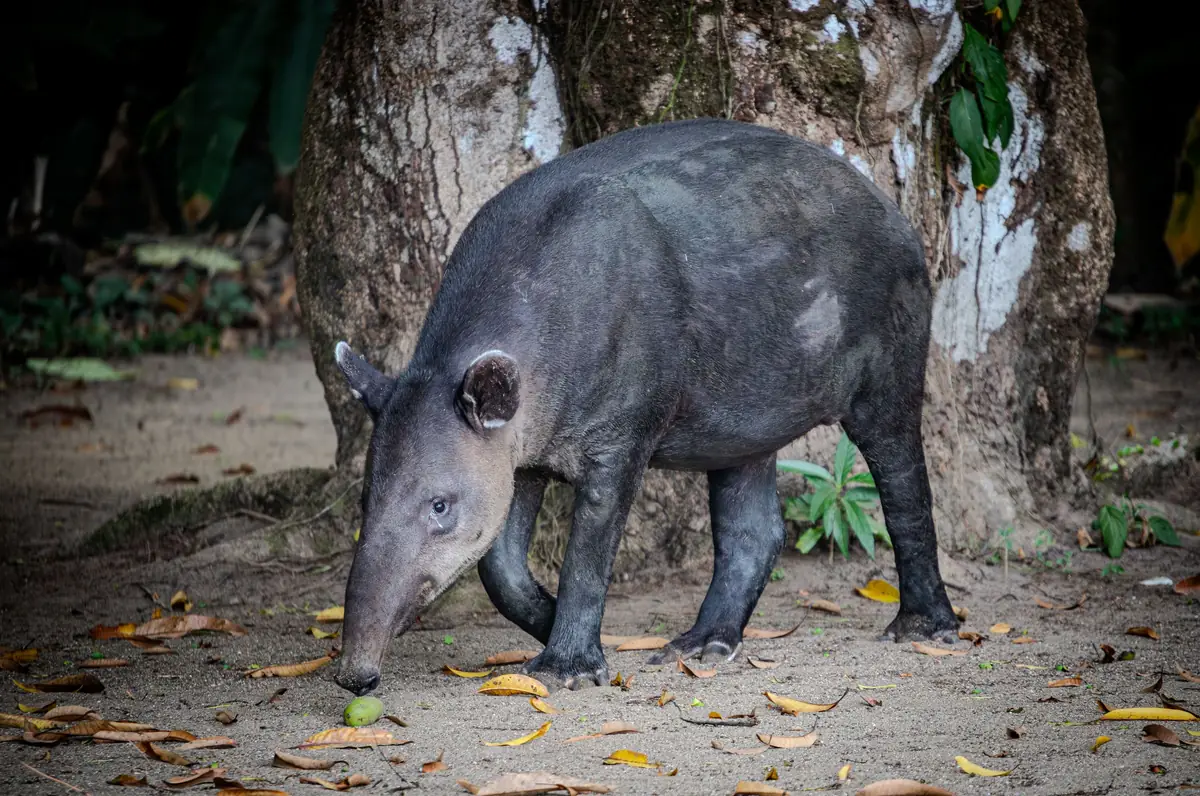 BelizeENBaird's tapirBaird's tapir, the largest native land mammal in Central America, is Belize's national animal. Belizeans often call it the mountain cow.
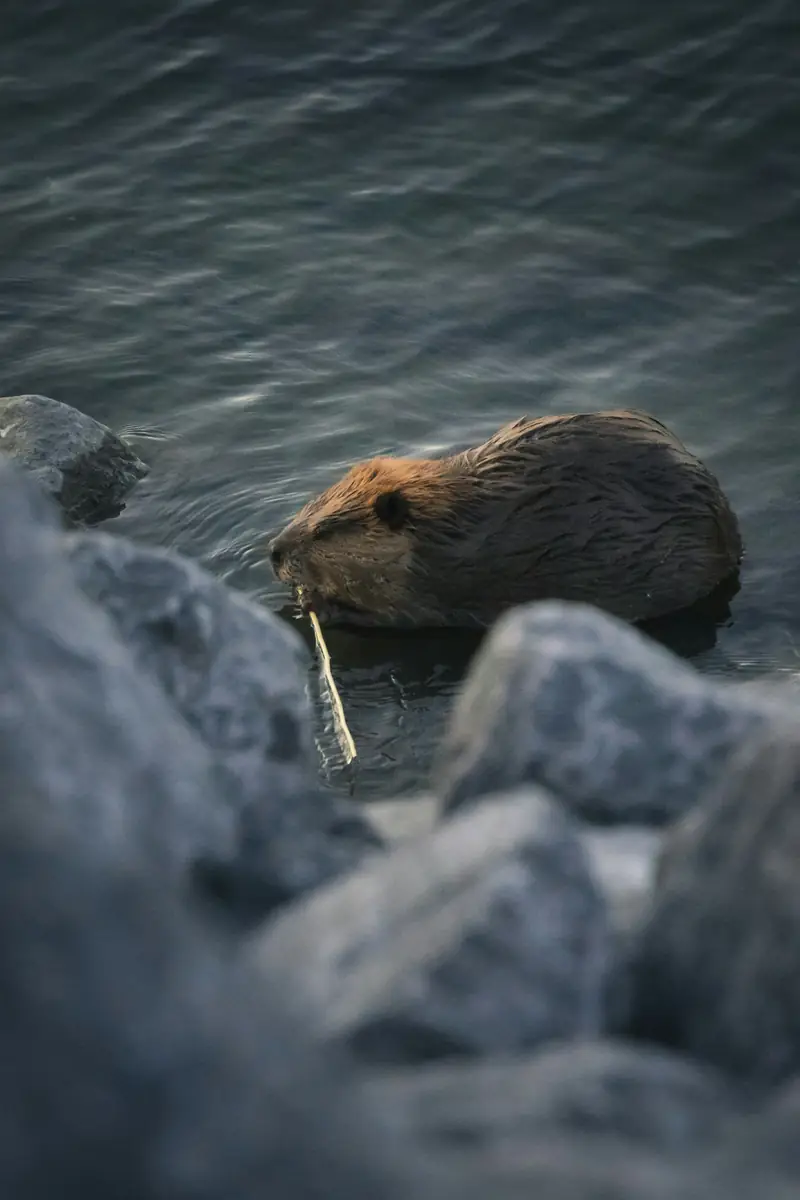 CanadaLCNorth American beaverThe beaver has been Canada's official national symbol since 1975, honoring an animal that shaped the country's history and still reshapes its rivers today.
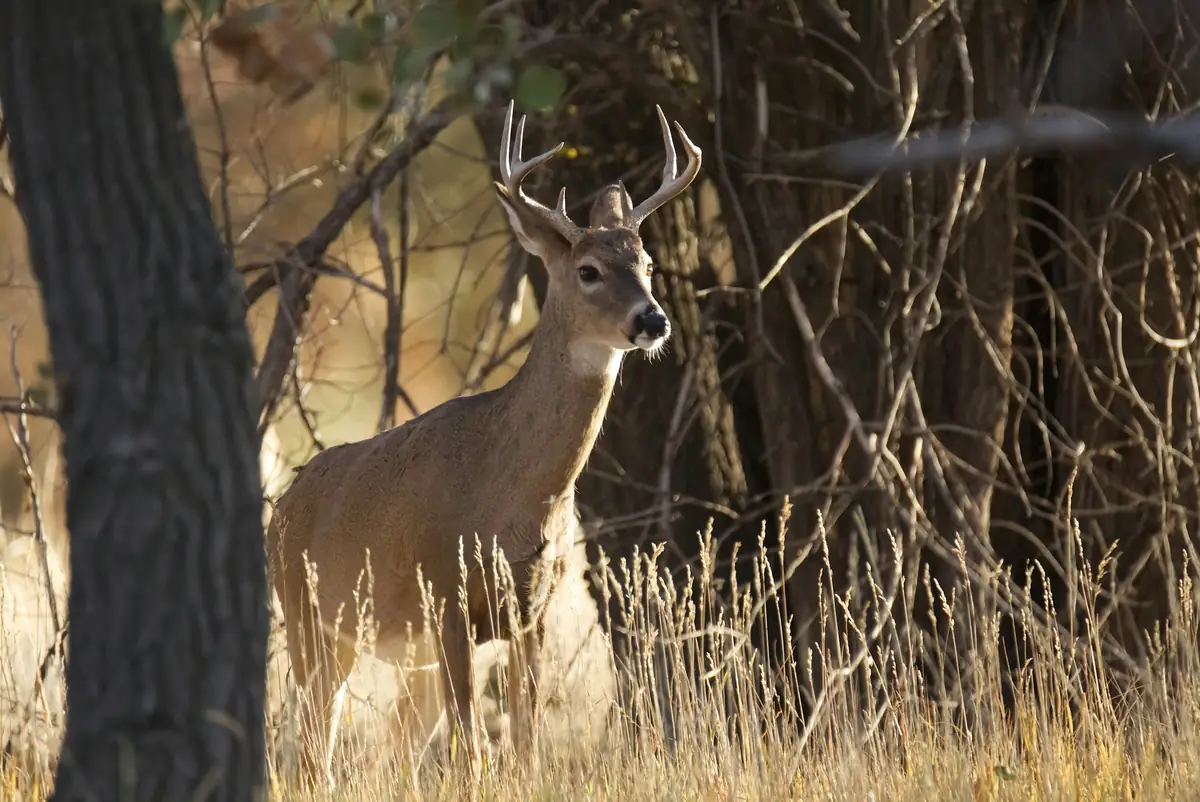 Costa RicaLCWhite-tailed deerThe white-tailed deer was declared a symbol of Costa Rica's wildlife by law in 1995.
- CubaLCCuban trogonThe Cuban trogon, or tocororo, lives only in Cuba, and its red, white and blue feathers echo the colors of the Cuban flag.
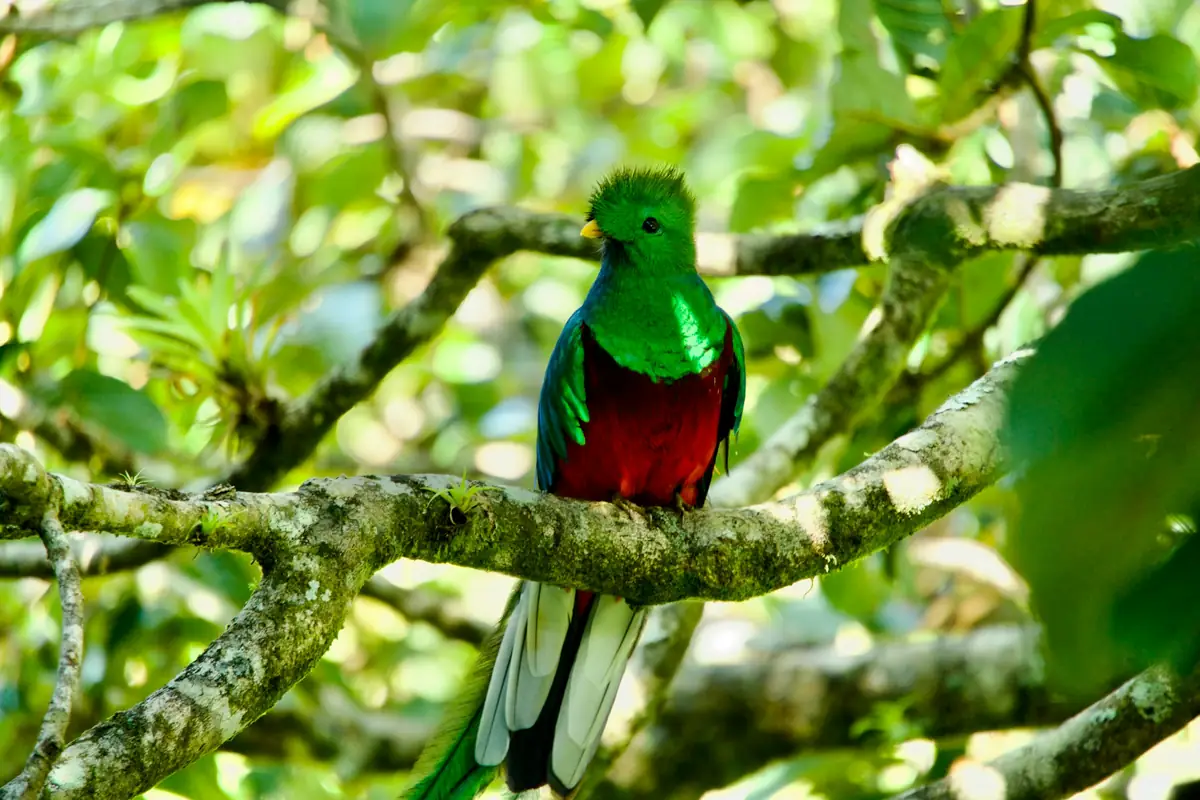 GuatemalaNTResplendent quetzalThe resplendent quetzal, with its shimmering green tail feathers, is Guatemala's national bird. It appears on the flag and gives the currency, the quetzal, its name.
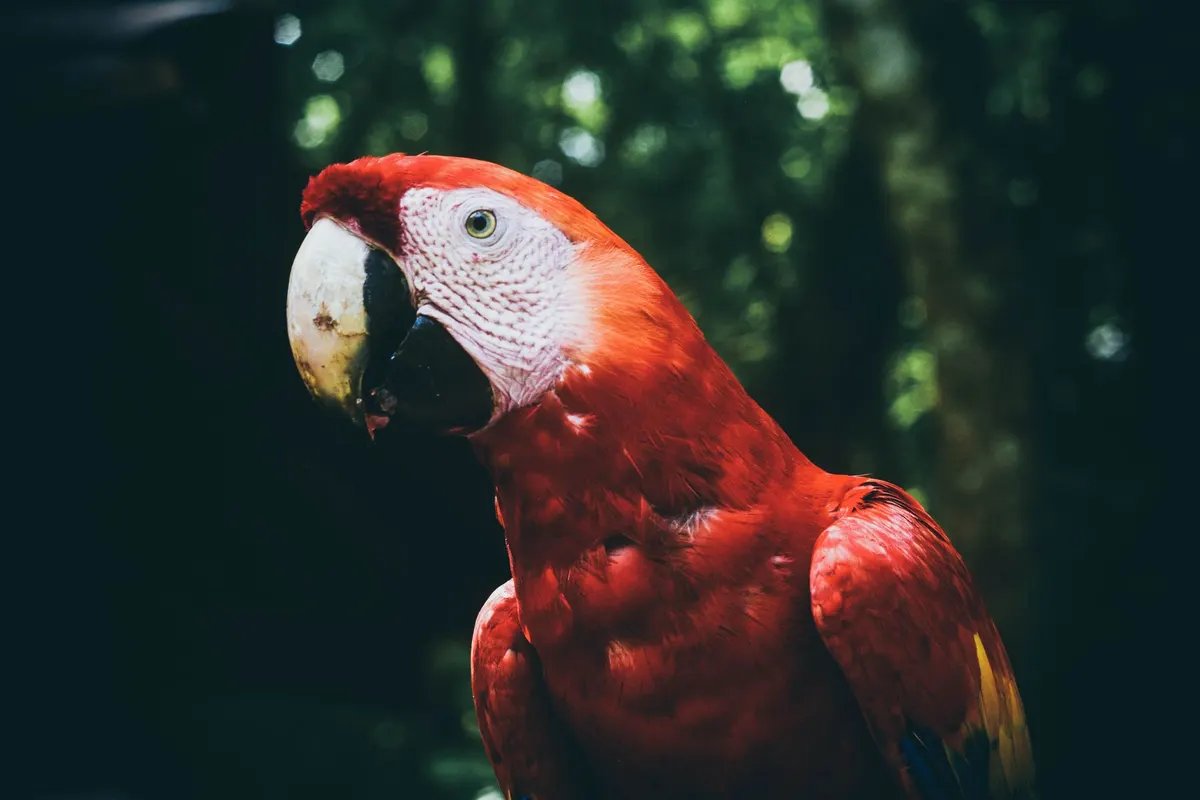 HondurasLCScarlet macawThe scarlet macaw, a large red, yellow and blue parrot, is the national bird of Honduras, declared a sacred symbol of the country's wildlife by a 1993 decree.
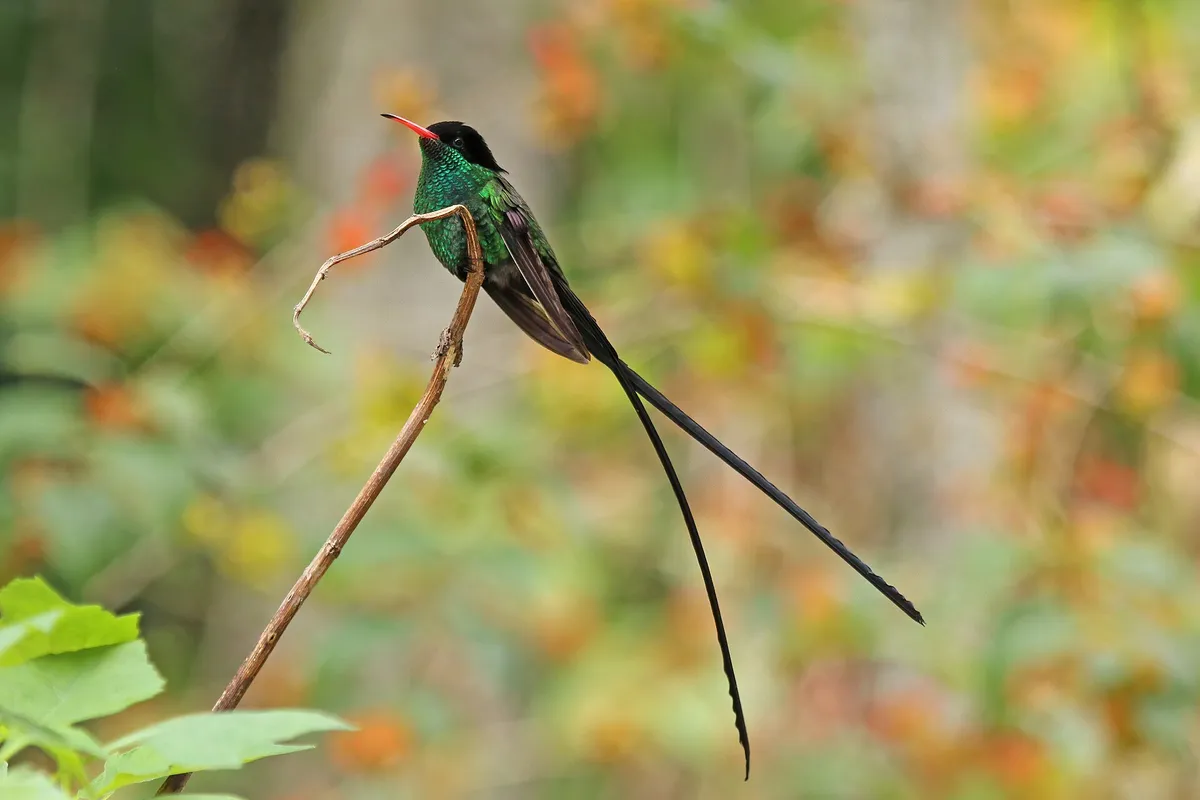 JamaicaLCRed-billed streamertail (doctor bird)The red-billed streamertail, a hummingbird that Jamaicans call the doctor bird, is Jamaica's national bird. It lives nowhere else in the world, and adult males trail two long black tail streamers behind a glittering green body.
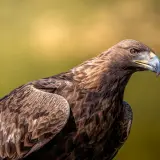
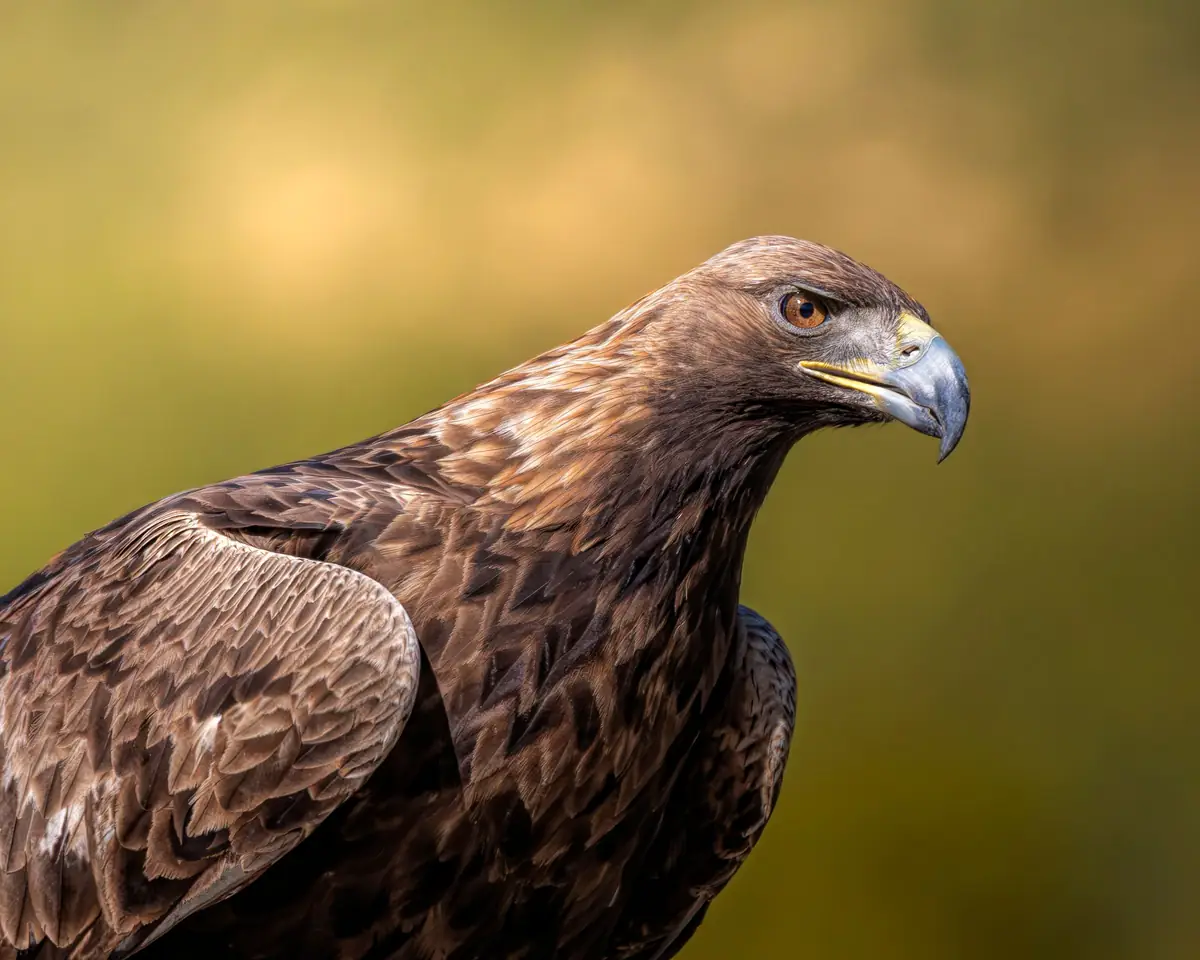 MexicoLCGolden eagleThe eagle at the center of Mexico's flag and coat of arms is identified as the golden eagle, a powerful bird of prey of open country.
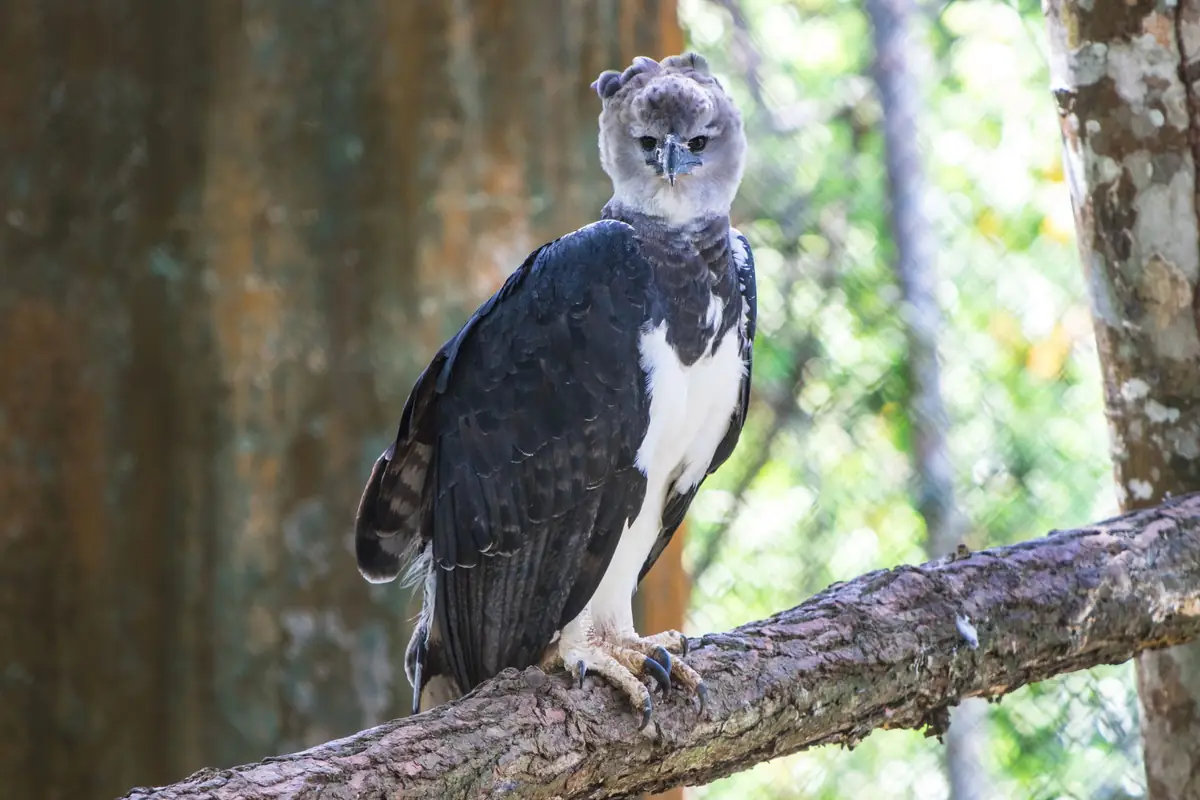 PanamaVUHarpy eagleThe harpy eagle, one of the most powerful eagles in the world, was declared Panama's national bird by law in 2002.
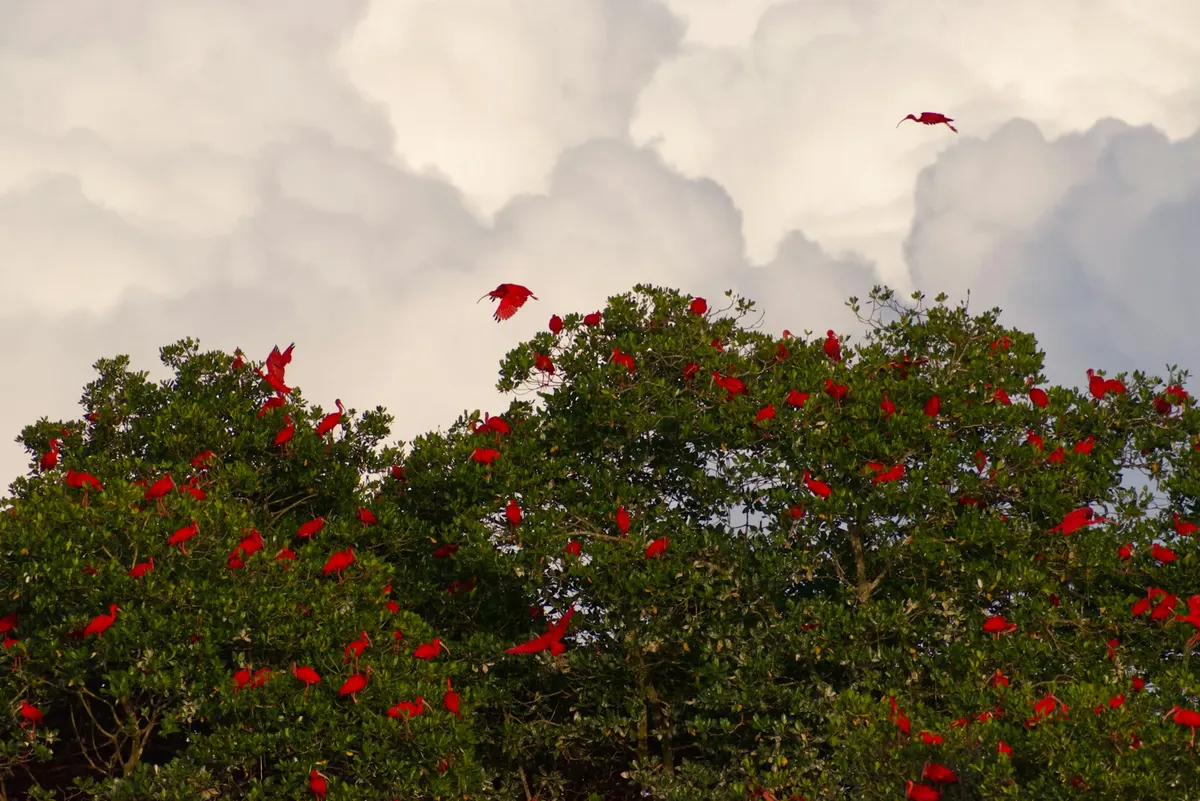 Trinidad and TobagoLCScarlet ibisThe scarlet ibis, a brilliant red wading bird, appears on Trinidad and Tobago's coat of arms as the national bird of Trinidad, sharing the honor with Tobago's cocrico.
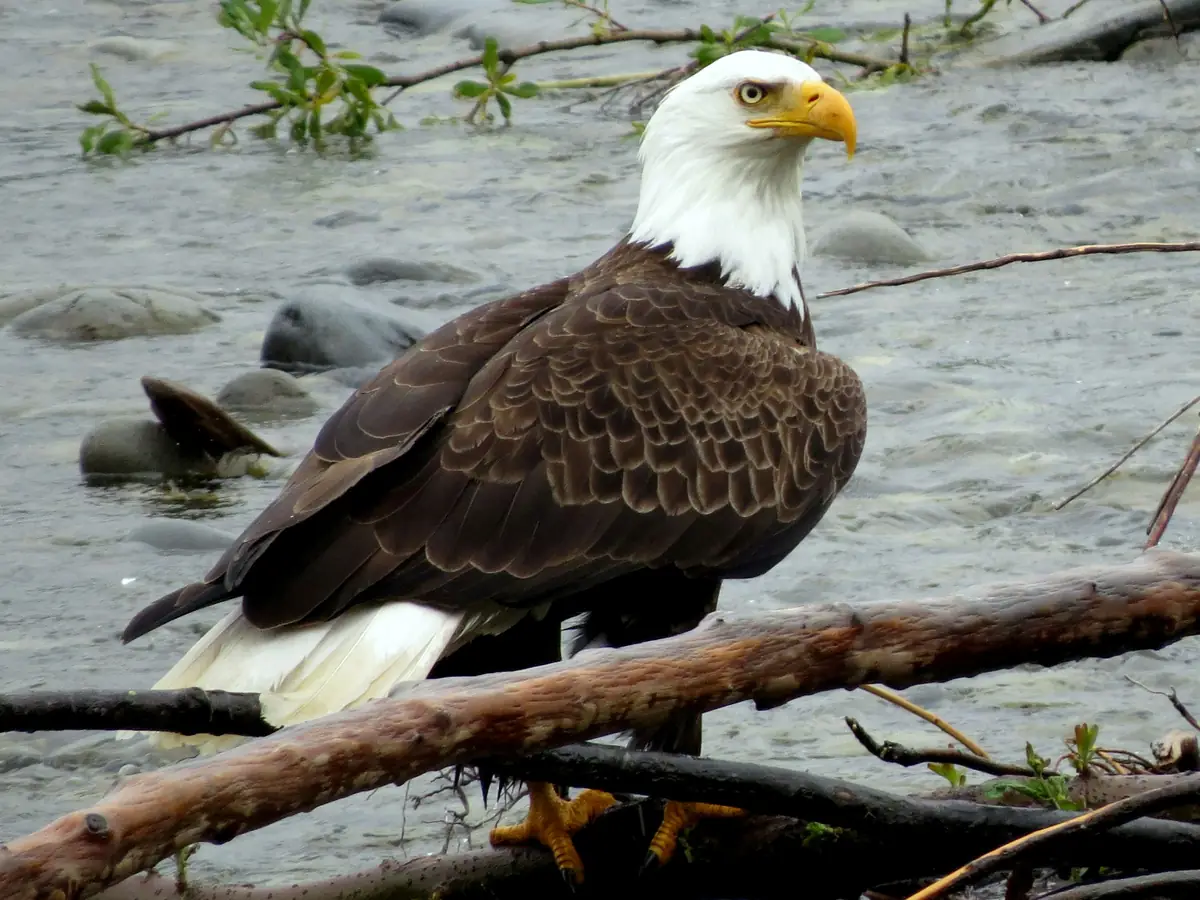 United StatesLCBald eagleThe bald eagle has been on the Great Seal of the United States since 1782 and became the official national bird by law in 2024, after a remarkable recovery from near disappearance.
South America 9
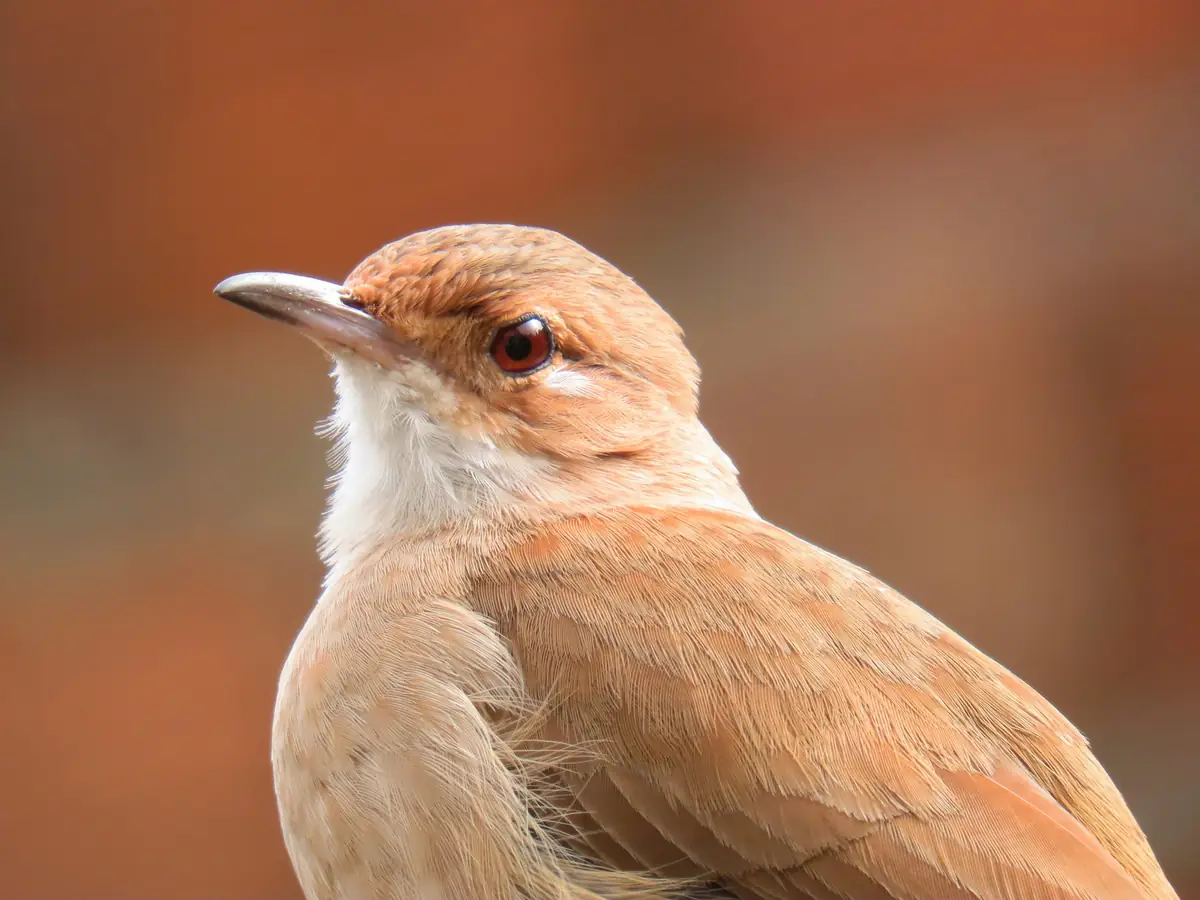 ArgentinaLCRufous horneroThe rufous hornero, Argentina's national bird, builds a clay nest shaped like an old wood-fired oven, which gives the bird its name.
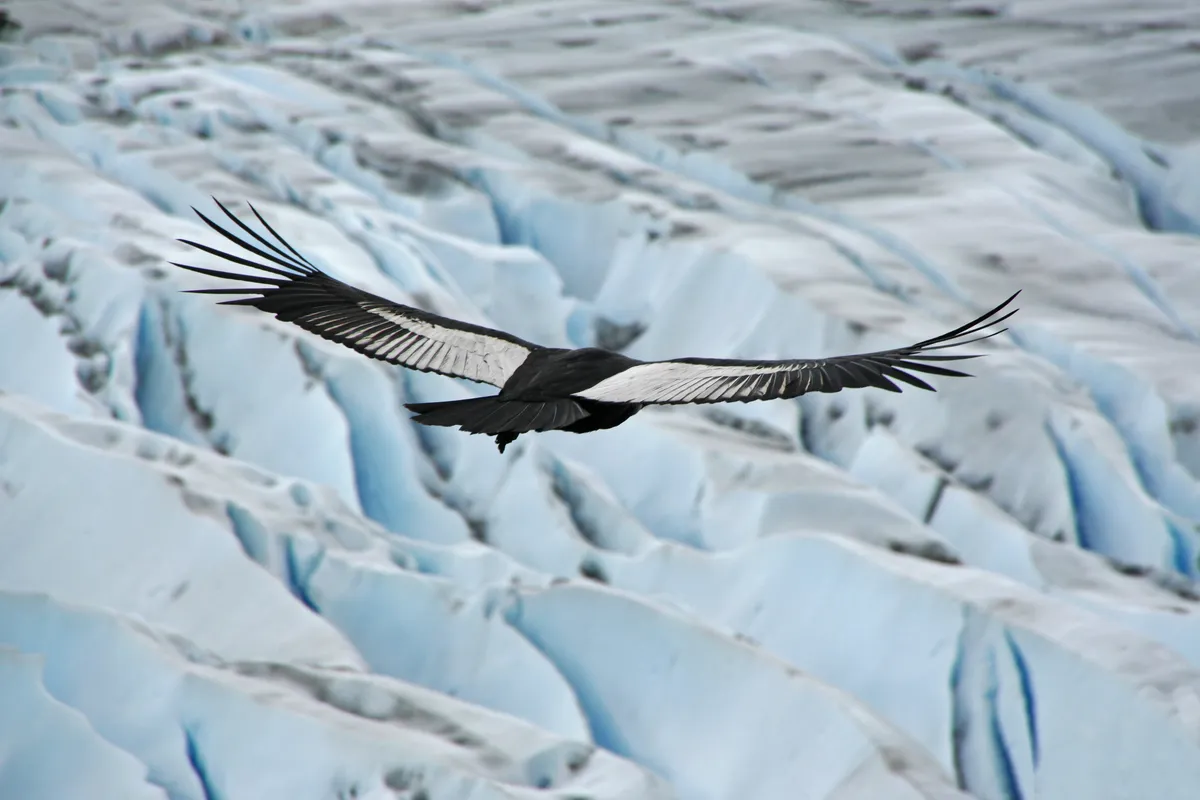 BoliviaVUAndean condorThe Andean condor, a giant vulture of the high Andes, crowns Bolivia's coat of arms and was declared a symbol and natural and cultural heritage of the country by law in 2023. Bolivia is thought to hold about a fifth of all the world's wild condors.
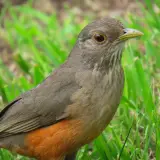
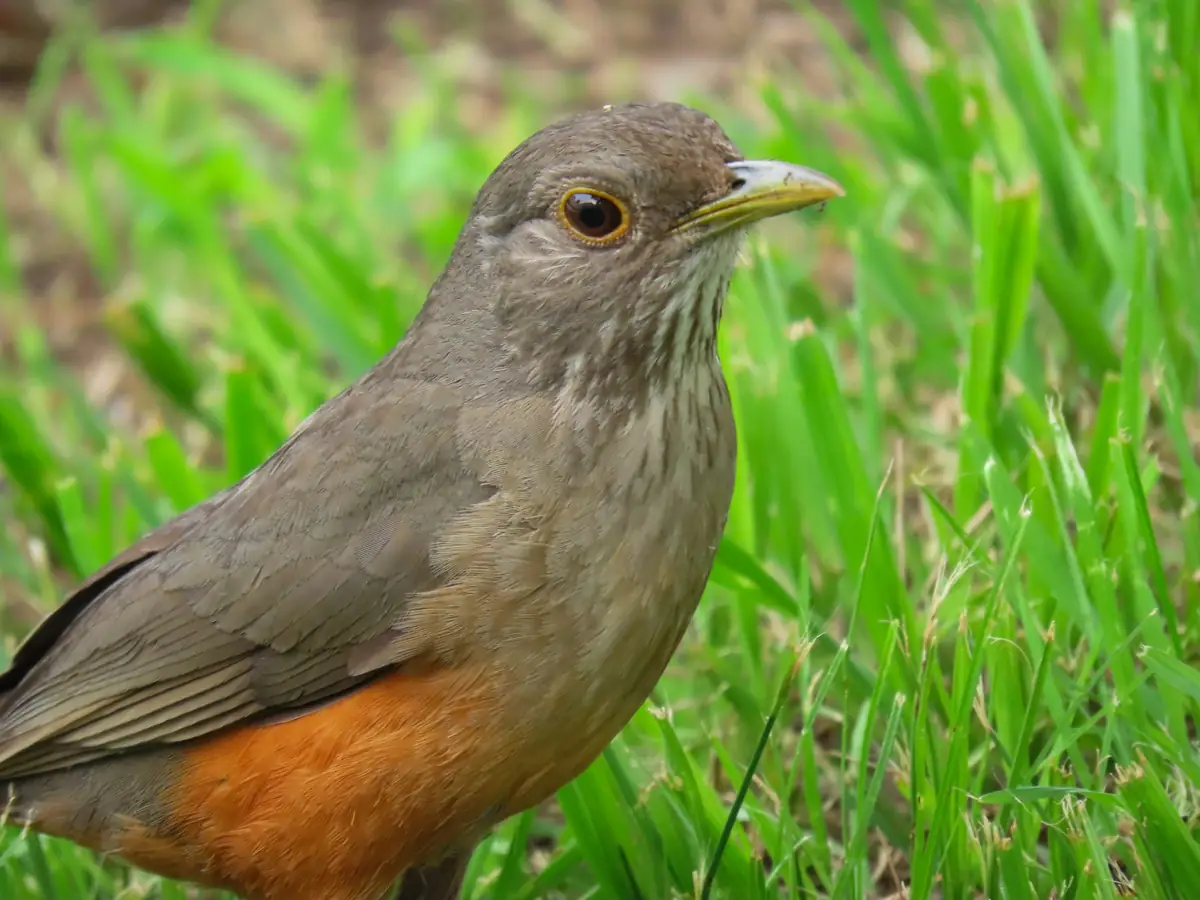 BrazilLCRufous-bellied thrushThe rufous-bellied thrush, known in Brazil as the sabiá-laranjeira, was named a national symbol by presidential decree in 2002. Its melodious song is a familiar sound in Brazilian towns and gardens.
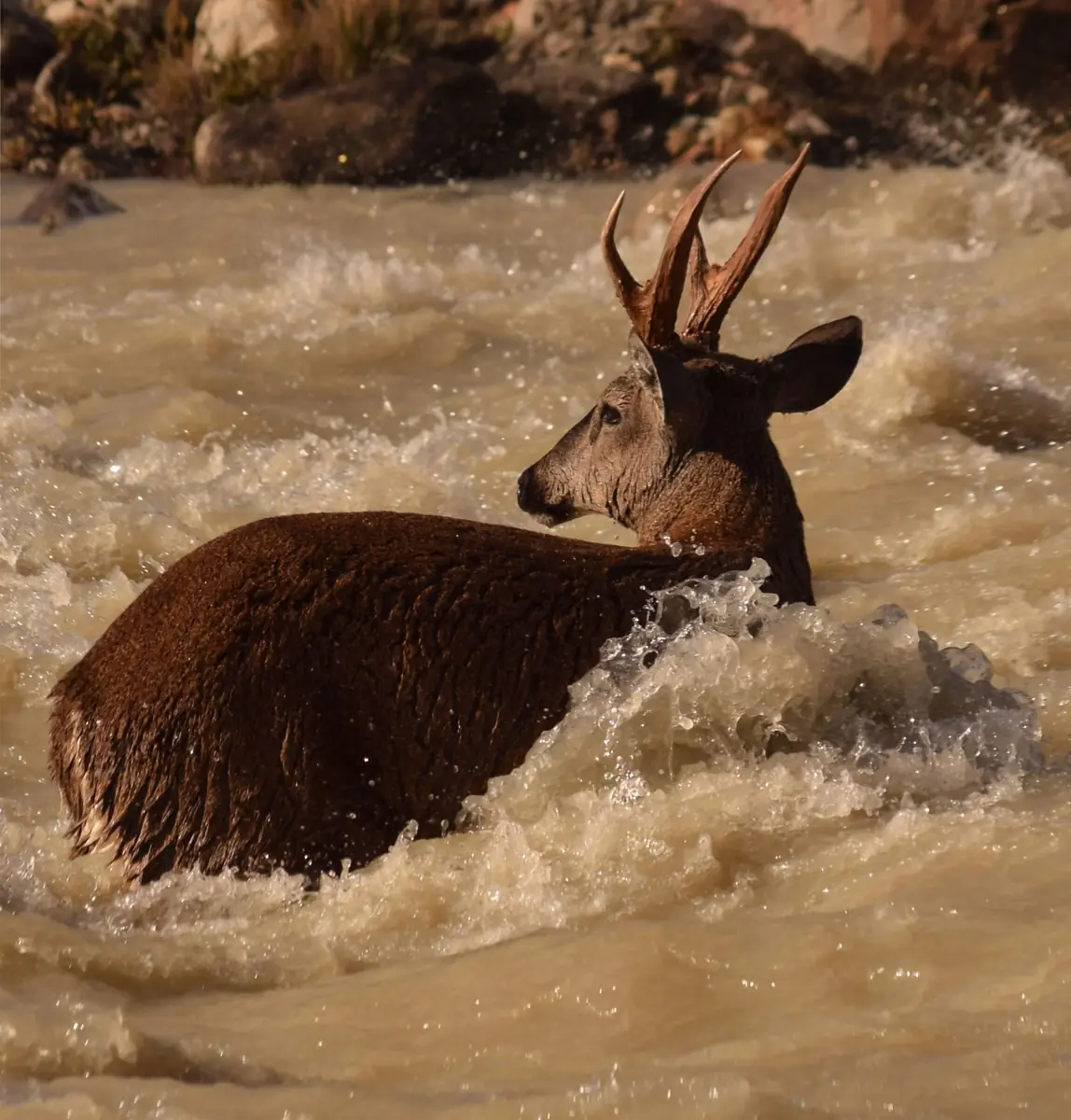 ChileENHuemulThe huemul, a stocky deer of the southern Andes, stands on Chile's coat of arms beside the Andean condor. It is endangered.
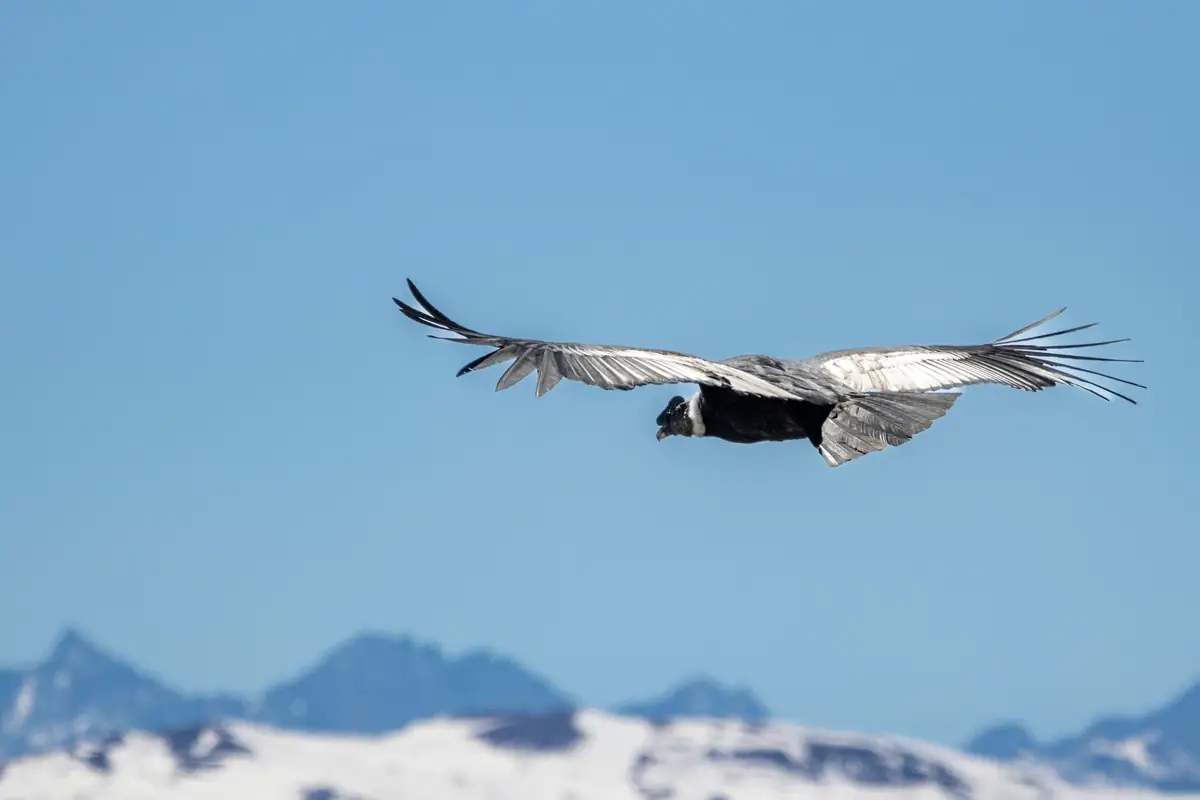 ColombiaVUAndean condorThe Andean condor, one of the largest flying birds in the world, crowns Colombia's coat of arms.
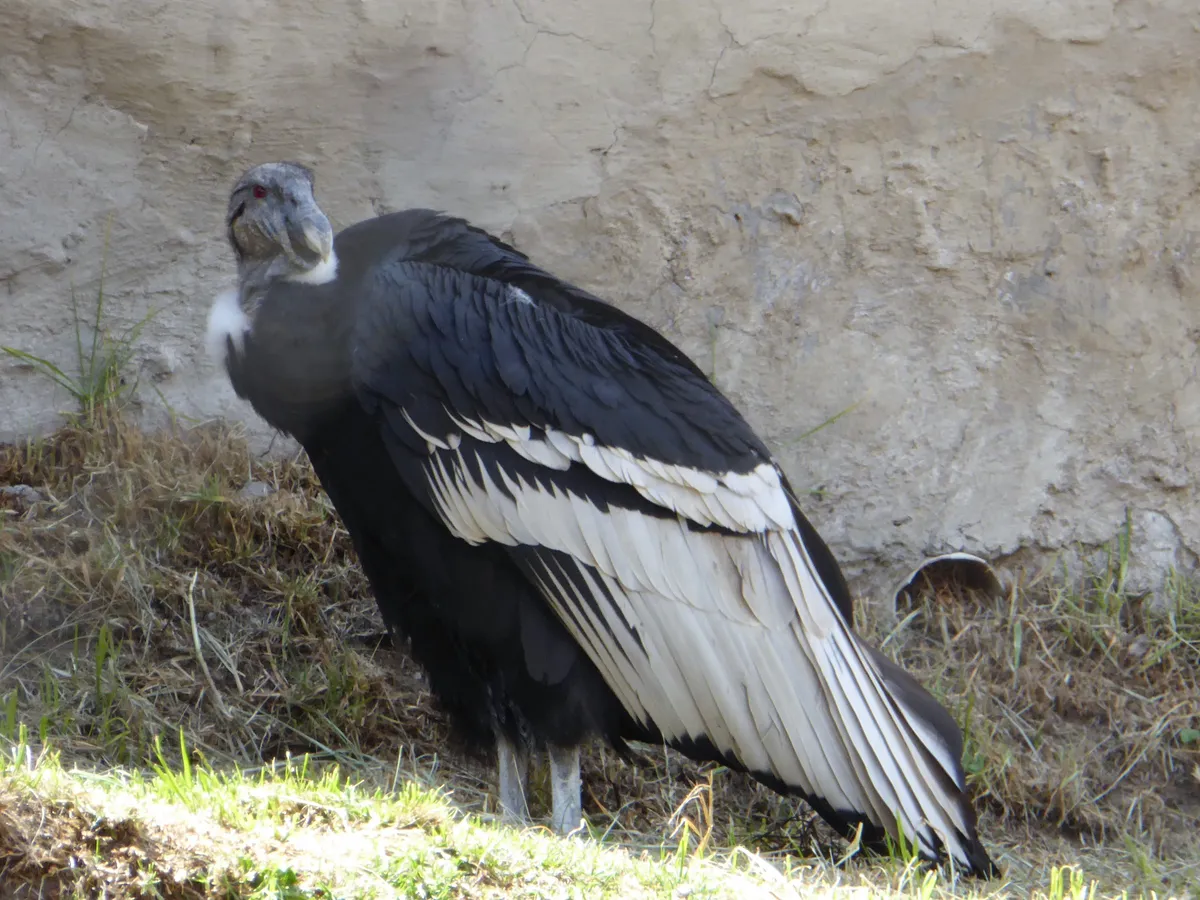 EcuadorVUAndean condorThe Andean condor, one of the largest flying birds in the world, crowns Ecuador's coat of arms with its wings spread wide. It is the country's emblematic bird, yet only 150 wild condors were counted in Ecuador's most recent national census, held in 2018.
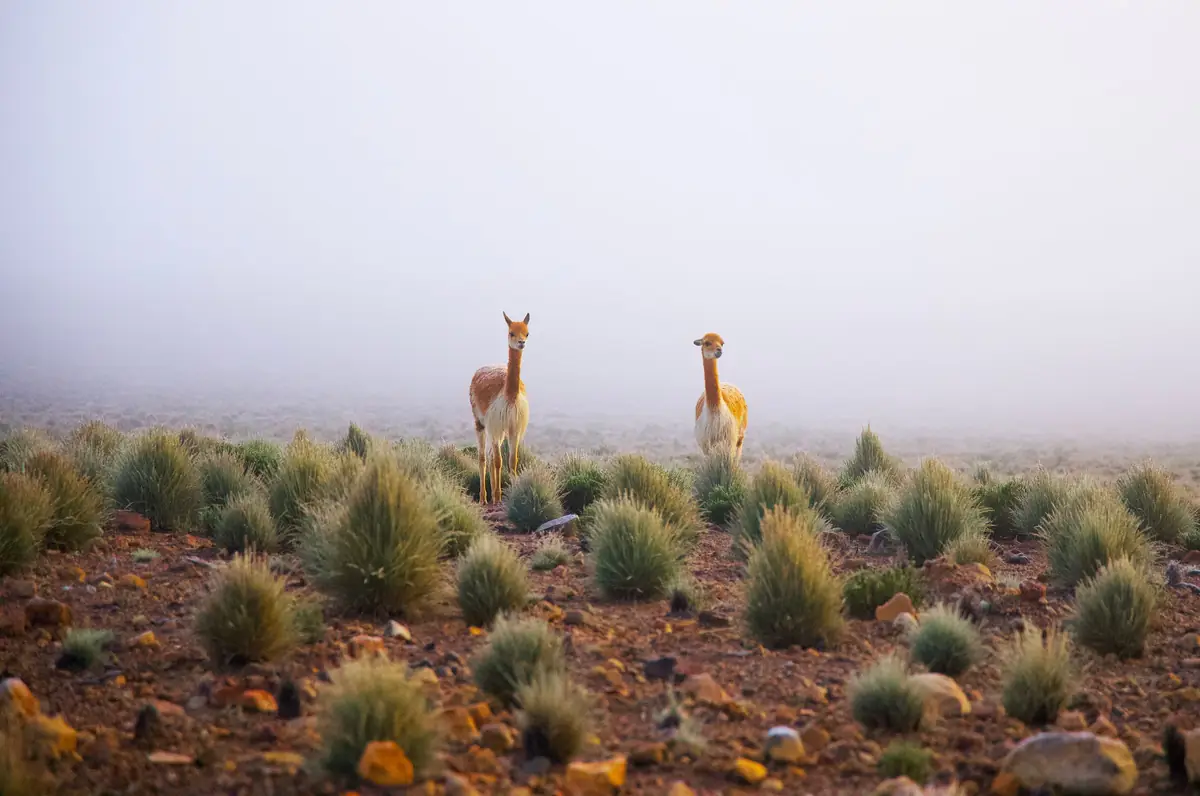 PeruLCVicuñaThe vicuña, a slender wild relative of the llama with extremely fine wool, appears on Peru's coat of arms.
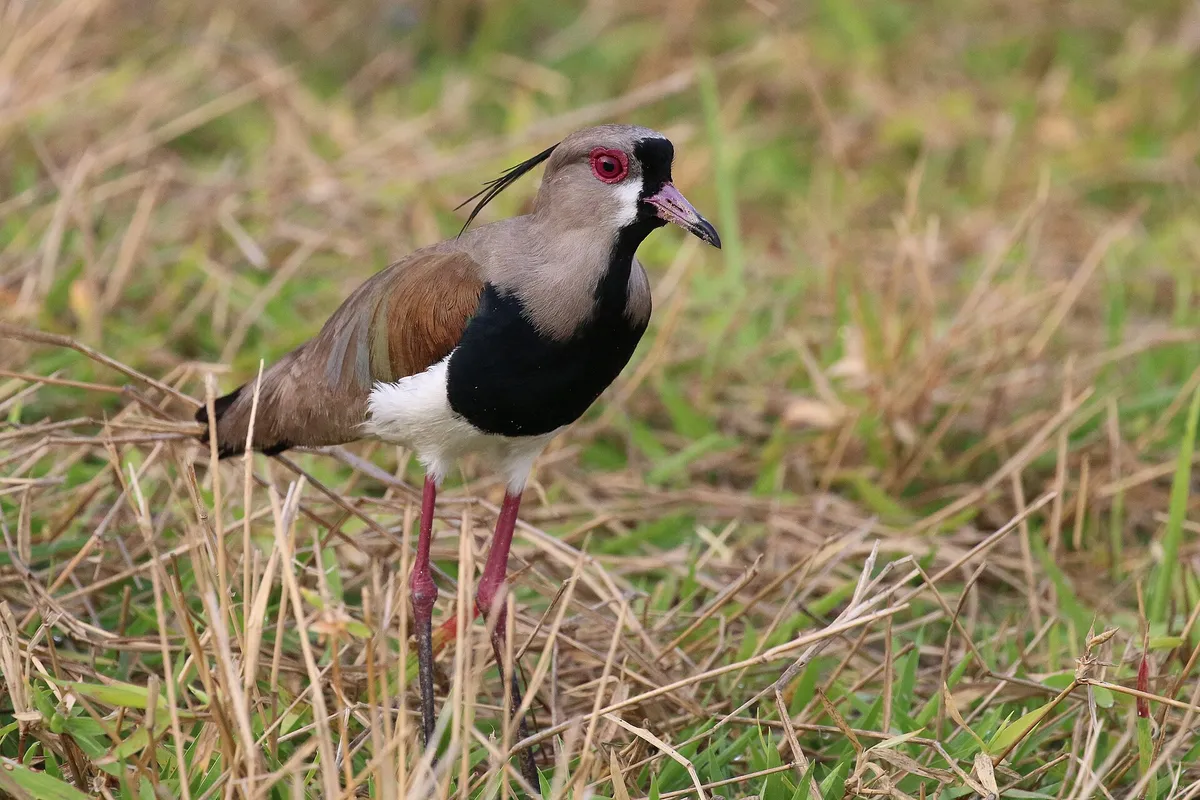 UruguayLCSouthern lapwing (tero)The southern lapwing, known in Uruguay as the tero, is a noisy, crested grassland bird widely described as Uruguay's national bird. It is common in open fields and city lawns across the country, and it gives its name to Uruguay's national rugby team, Los Teros.
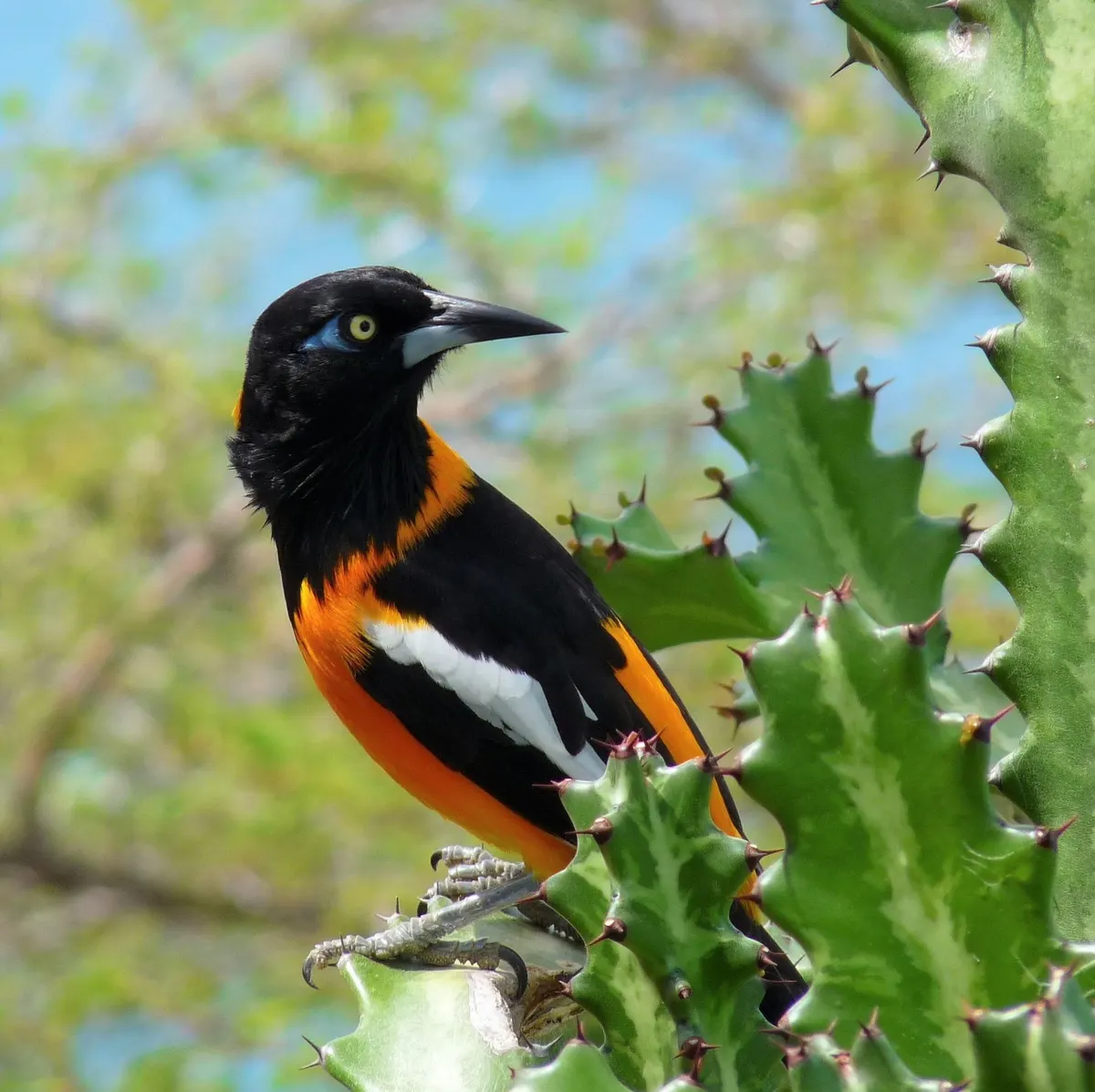 VenezuelaLCVenezuelan troupialThe Venezuelan troupial, a black, orange and white songbird known at home as the turpial, was declared Venezuela's national bird on 23 May 1958.
Oceania 3
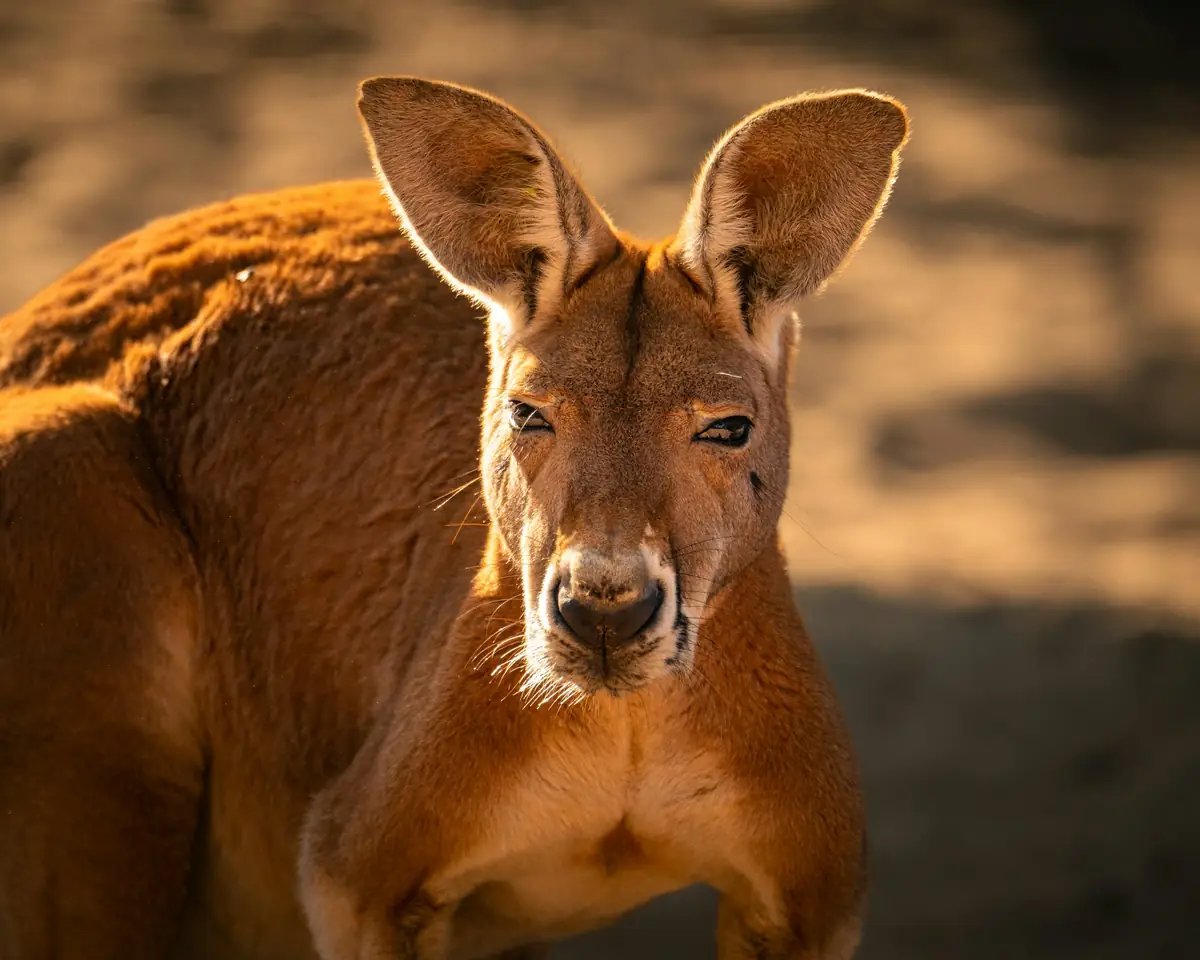 AustraliaLCRed kangarooA kangaroo supports Australia's coat of arms, and the red kangaroo, the largest of them all, is the animal most people picture when they think of the country.
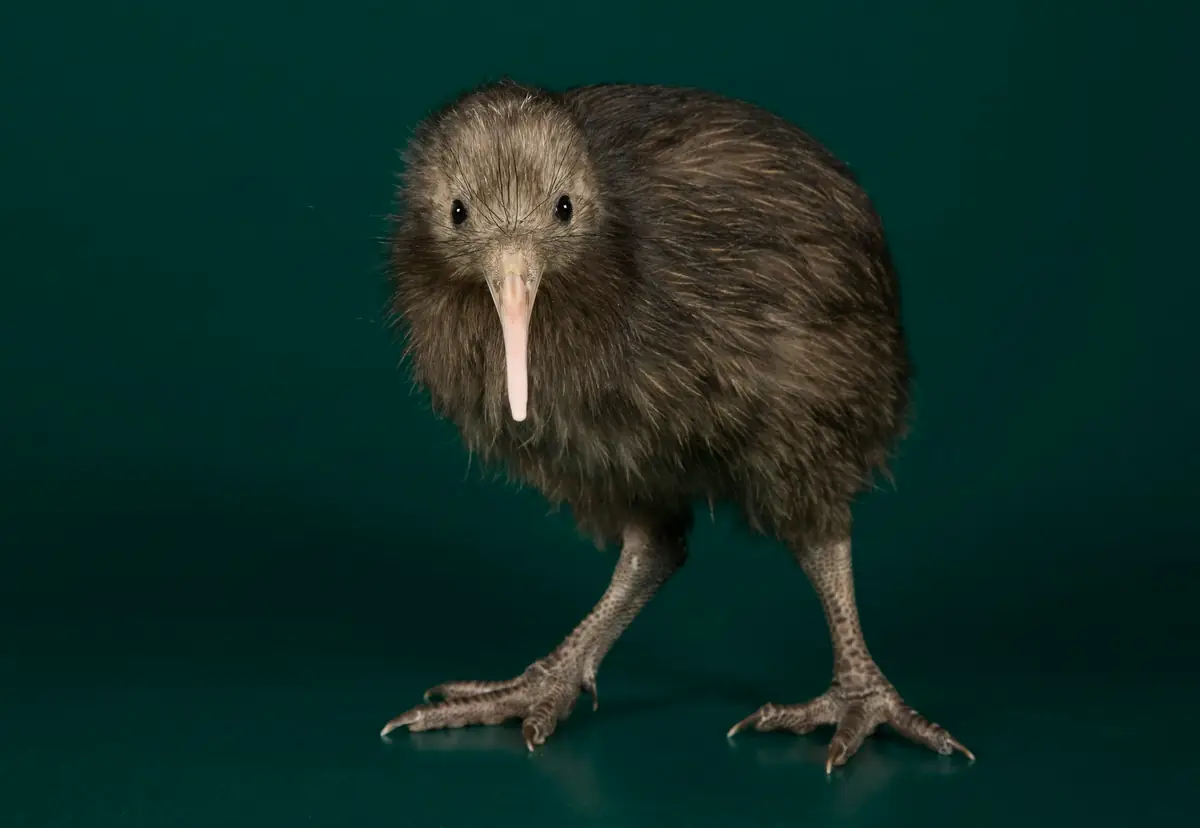 New ZealandVUKiwiThe kiwi, a shy, flightless bird found only in New Zealand, is so closely tied to the country that New Zealanders themselves are nicknamed Kiwis.
- Papua New GuineaLCRaggiana bird-of-paradiseA Raggiana bird-of-paradise spreads its plumes on the flag of Papua New Guinea, where the bird-of-paradise is the national emblem.
Full list: national animals by country
All 84 countries in alphabetical order, with each national animal, its group, whether it is official and its IUCN Red List status.
National birds of the world: 60 countries · Download this list as a free dataset (CSV or JSON, 84 countries) · Big cats as national animals: 11 countries · Eagles, condors and falcons as national birds: 16 countries
| Country | National animal | Group | Status | IUCN |
|---|---|---|---|---|
| Algeria | Fennec fox | Mammal | National symbol | LC |
| Argentina | Rufous hornero | Bird | National symbol | LC |
| Australia | Red kangaroo | Mammal | National symbol | LC |
| Bahamas | American flamingo | Bird | National symbol | LC |
| Bangladesh | Bengal tiger | Mammal | National symbol | EN |
| Belarus | European bison | Mammal | National symbol | NT |
| Belgium | Lion | Mammal | National symbol | VU |
| Belize | Baird's tapir | Mammal | National symbol | EN |
| Bhutan | Takin | Mammal | Officially designated | VU |
| Bolivia | Andean condor | Bird | Officially designated | VU |
| Botswana | Plains zebra | Mammal | National symbol | NT |
| Brazil | Rufous-bellied thrush | Bird | Officially designated | LC |
| Cambodia | Kouprey | Mammal | Officially designated | CR |
| Canada | North American beaver | Mammal | Officially designated | LC |
| Chile | Huemul | Mammal | National symbol | EN |
| China | Giant panda | Mammal | National symbol | VU |
| Colombia | Andean condor | Bird | National symbol | VU |
| Costa Rica | White-tailed deer | Mammal | Officially designated | LC |
| Croatia | Pine marten | Mammal | National symbol | LC |
| Cuba | Cuban trogon | Bird | National symbol | LC |
| Czechia | Lion | Mammal | National symbol | VU |
| Democratic Republic of the Congo | Okapi | Mammal | National symbol | EN |
| Denmark | Mute swan | Bird | National symbol | LC |
| Ecuador | Andean condor | Bird | National symbol | VU |
| Egypt | Steppe eagle | Bird | National symbol | EN |
| Estonia | Gray wolf | Mammal | National symbol | LC |
| Ethiopia | Lion | Mammal | National symbol | VU |
| Finland | Brown bear | Mammal | National symbol | LC |
| France | Gallic rooster | Bird | National symbol | NE |
| Germany | Golden eagle | Bird | National symbol | LC |
| Guatemala | Resplendent quetzal | Bird | Officially designated | NT |
| Honduras | Scarlet macaw | Bird | Officially designated | LC |
| Iceland | Gyrfalcon | Bird | National symbol | LC |
| India | Bengal tiger | Mammal | Officially designated | EN |
| Indonesia | Komodo dragon | Reptile | Officially designated | EN |
| Ireland | Irish hare | Mammal | National symbol | LC |
| Italy | Italian wolf | Mammal | National symbol | LC |
| Jamaica | Red-billed streamertail (doctor bird) | Bird | Officially designated | LC |
| Japan | Green pheasant | Bird | National symbol | LC |
| Jordan | Arabian oryx | Mammal | National symbol | VU |
| Kazakhstan | Snow leopard | Mammal | National symbol | VU |
| Kenya | Lion | Mammal | National symbol | VU |
| Laos | Asian elephant | Mammal | National symbol | EN |
| Latvia | White wagtail | Bird | National symbol | LC |
| Lithuania | White stork | Bird | National symbol | LC |
| Madagascar | Zebu | Mammal | National symbol | NE |
| Malaysia | Malayan tiger | Mammal | National symbol | CR |
| Mauritius | Dodo | Bird | National symbol | EX |
| Mexico | Golden eagle | Bird | National symbol | LC |
| Mongolia | Gobi bear (mazaalai) | Mammal | Officially designated | LC |
| Morocco | Barbary lion (Atlas lion) | Mammal | National symbol | VU |
| Namibia | Gemsbok | Mammal | National symbol | LC |
| Nepal | Himalayan monal | Bird | Officially designated | LC |
| Netherlands | Black-tailed godwit | Bird | National symbol | NT |
| New Zealand | Kiwi | Bird | National symbol | VU |
| Nigeria | Black crowned crane | Bird | National symbol | VU |
| Norway | White-throated dipper | Bird | National symbol | LC |
| Pakistan | Markhor | Mammal | National symbol | NT |
| Panama | Harpy eagle | Bird | Officially designated | VU |
| Papua New Guinea | Raggiana bird-of-paradise | Bird | Officially designated | LC |
| Peru | Vicuña | Mammal | National symbol | LC |
| Philippines | Philippine eagle | Bird | Officially designated | CR |
| Poland | White-tailed eagle | Bird | National symbol | LC |
| Portugal | Rooster | Bird | National symbol | NE |
| Qatar | Arabian oryx | Mammal | National symbol | VU |
| Russia | Eurasian brown bear | Mammal | National symbol | LC |
| Saudi Arabia | Dromedary camel | Mammal | National symbol | NE |
| South Africa | Springbok | Mammal | Officially designated | LC |
| South Korea | Siberian tiger | Mammal | National symbol | EN |
| Spain | Spanish fighting bull | Mammal | National symbol | NE |
| Sri Lanka | Sri Lanka junglefowl | Bird | National symbol | LC |
| Sweden | Eurasian blackbird | Bird | National symbol | LC |
| Tanzania | Masai giraffe | Mammal | National symbol | EN |
| Thailand | Asian elephant | Mammal | Officially designated | EN |
| Trinidad and Tobago | Scarlet ibis | Bird | National symbol | LC |
| Uganda | Grey crowned crane | Bird | National symbol | EN |
| United Arab Emirates | Arabian oryx | Mammal | National symbol | VU |
| United Kingdom | Lion | Mammal | National symbol | VU |
| United States | Bald eagle | Bird | Officially designated | LC |
| Uruguay | Southern lapwing (tero) | Bird | National symbol | LC |
| Venezuela | Venezuelan troupial | Bird | Officially designated | LC |
| Vietnam | Water buffalo | Mammal | National symbol | NE |
| Zambia | African fish eagle | Bird | National symbol | LC |
| Zimbabwe | Sable antelope | Mammal | National symbol | LC |
How we chose
We list only member states of the United Nations, one animal per country, and we only include real animals. Where a country has several symbols, we picked the one most often cited by government sources and reference works.
Each entry is marked either "officially designated" (named by a law, decree or government act) or "national symbol" (recognized through a coat of arms, flag, currency, vote or tradition). Conservation status comes from the IUCN Red List of Threatened Species, and sizes are typical ranges for adults.
- Officially designated Named by a law, decree or government act.
- National symbol Widely recognized through a coat of arms, flag, currency, public vote or long tradition, without a specific law.