Why it represents the country
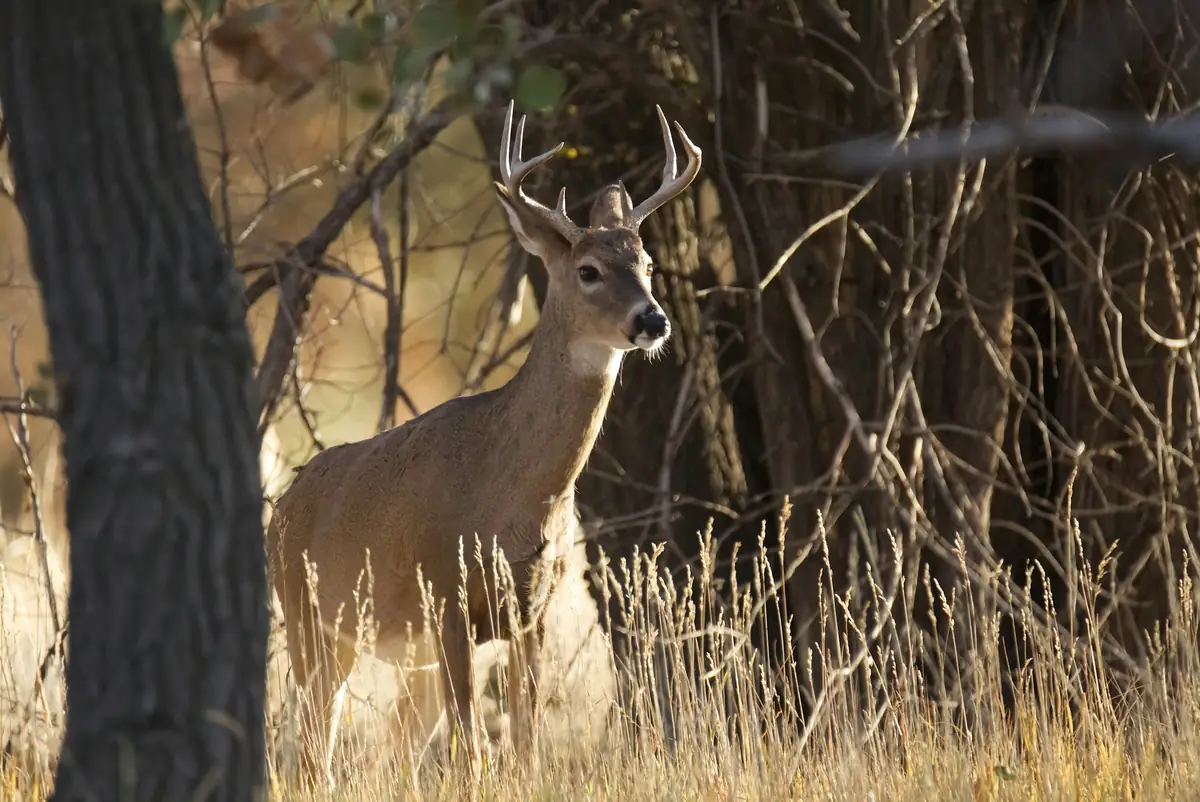
Costa Rica is known around the world for its wildlife, and in 1995 it named one wild mammal as a national symbol. Law No. 7497, dated 2 May 1995, declares the white-tailed deer a symbol of the wild fauna of Costa Rica.
The law does more than name an emblem. It asks the national wildlife authority to carry out scientific studies of deer numbers and the makeup of the population, and to set rules for sustainable management, including closed seasons when hunting is not allowed. It also allows registered deer breeding farms and supports education about the species. In this way the deer was chosen both as a symbol and as an animal that needed care.
Since 2011 the white-tailed deer has also appeared on the back of Costa Rica's 1,000 colón banknote. Many Costa Ricans carry a picture of their national wildlife symbol in their wallets every day.
About the animal
The white-tailed deer has one of the largest ranges of any deer. It lives from southern Canada through the United States, Mexico and Central America and into South America. Deer in Central America, including Costa Rica, are clearly smaller and lighter than their relatives in the far north. Tropical white-tailed deer often weigh only about 35 to 50 kilograms, while large northern males can weigh more than twice as much.
Its best-known feature is its tail, which is brown on top and bright white underneath. When a deer senses danger it lifts the tail and shows the white underside like a flag. This warns other deer and tells a predator that it has been seen.
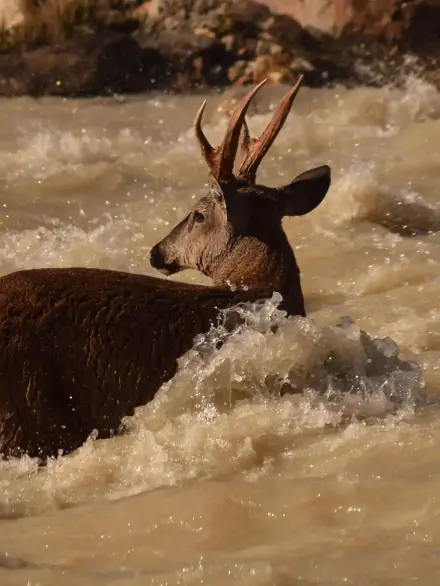
Only males grow antlers. They drop them after the breeding season and grow a new set every year. White-tailed deer eat many kinds of plants, including leaves, shoots, buds, fruits and grasses, and they are often most active around dawn and dusk. In the forests of Central America they are also an important food for large wild cats such as pumas and jaguars, so healthy deer numbers help support whole food chains.
These deer are fast and agile. They can sprint at up to about 60 kilometers per hour, and a deer can jump about 3 meters high or up to about 9 meters forward. A female gives birth to one to three fawns, and she leaves them lying quietly in cover for much of the day while she feeds, coming back to nurse them. Fawns are born with white spots on a reddish-brown coat, which helps them stay hidden in dappled light while the mother feeds nearby. The spots fade during their first months of life.
Conservation
The white-tailed deer is listed as Least Concern on the IUCN Red List. Across its whole range it is widespread and common.
A good global status does not mean deer are doing well everywhere. Costa Rica's 1995 law reflects concern about local deer numbers. It calls for population studies, sustainable management and closed hunting seasons, and it covers captive breeding and education, so that people learn why the deer matters.
Costa Rica also has a large network of national parks and other protected areas, which give deer and many other animals safe places to live. Keeping forests and forest edges connected to these areas helps the country's wildlife symbol remain a familiar sight.
Fun facts
- Since 2011 a white-tailed deer has appeared on the back of Costa Rica's 1,000 colón banknote.
- A white-tailed deer raises its tail to flash the white underside when it senses danger.
- Male white-tailed deer drop their antlers and grow a completely new set every year.
National bird of Costa Rica: Clay-colored thrush
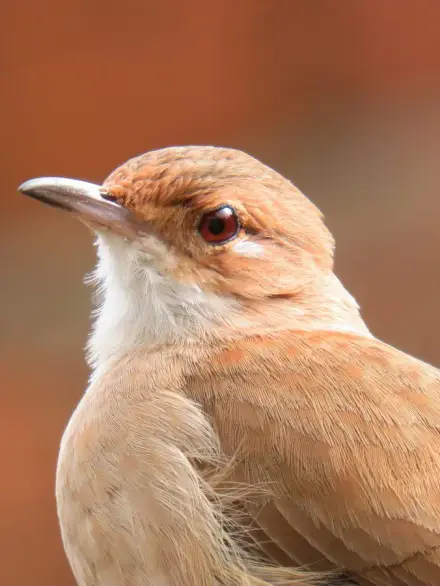
Clay-colored thrush (yigüirro) Turdus grayi Officially designated
Also known as: clay-colored robin
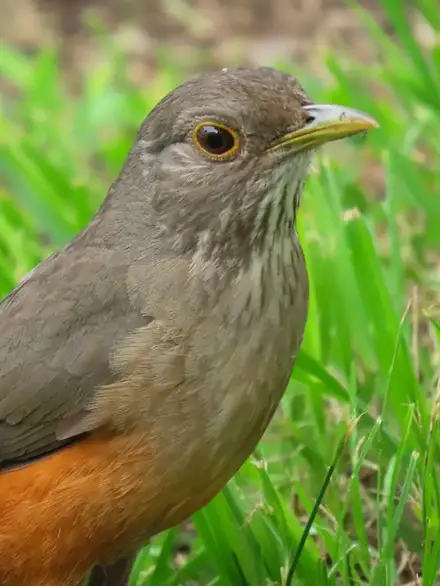
Costa Rica's Legislative Assembly declared the clay-colored thrush, or yigüirro, the national bird in Law No. 6031 of 1977.
The clay-colored thrush is a common bird of open forests and lightly wooded country from northern Colombia to Mexico, reaching just into southern Texas. Plumage of a uniform warm brown gives the thrush an understated look, but its song is a rich and beautiful caroling. Like its relative the American robin, the thrush forages on the ground for earthworms and other invertebrates and also feasts on berries and fruit.
Other national symbols of Costa Rica
- National flower
Purple guaria orchid (guaria morada) Guarianthe skinneri Officially designated
Costa Rica named the guaria morada orchid its national flower by Agreement No. 24 of 15 June 1939, after a public vote.
Frequently asked questions
What is the national animal of Costa Rica?
The national animal of Costa Rica is the white-tailed deer (officially designated). The white-tailed deer is a widespread American deer that flashes the white underside of its tail as a warning, and since 2011 it has appeared on the back of Costa Rica's 1,000 colón banknote.
Which country has the white-tailed deer as its national animal?
The white-tailed deer is the national animal of Costa Rica. The white-tailed deer is also known as whitetail or Virginia deer.
Why is the white-tailed deer the national animal of Costa Rica?
Law No. 7497 of 2 May 1995 declares the white-tailed deer a symbol of the wild fauna of Costa Rica. The law chose the deer both as an emblem and as an animal that needed care: it calls for scientific studies of deer numbers, rules for sustainable management including closed hunting seasons, and education about the species.
Is the white-tailed deer endangered?
The white-tailed deer is listed as Least Concern on the IUCN Red List and is widespread and common across its whole range. That does not mean it is doing well everywhere: Costa Rica's 1995 law reflects concern about local deer numbers and calls for population studies, sustainable management and closed hunting seasons.
Where does the white-tailed deer live?
Forest edges, dry forests, scrub and open country from Canada to South America.
What is the national bird of Costa Rica?
The national bird of Costa Rica is the clay-colored thrush (officially designated). Costa Rica's Legislative Assembly declared the clay-colored thrush, or yigüirro, the national bird in Law No. 6031 of 1977. The clay-colored thrush is also known as clay-colored robin.
Sources
- ECOLEX (FAO, IUCN, UNEP). Ley No. 7497: Declara al venado cola blanca como símbolo de la fauna silvestre de Costa Rica.
- IUCN Red List of Threatened Species. Odocoileus virginianus (assessment 2016).
- Costa Rica: sus Símbolos Nacionales (Centro de Patrimonio, Ministerio de Cultura, 2010).
- Cornell Lab of Ornithology, All About Birds: Clay-colored Thrush Overview.
- Costa Rica: sus Símbolos Nacionales (Centro de Patrimonio, Ministerio de Cultura, 2010).
- Conservation status: IUCN Red List of Threatened Species.