Why it represents the country
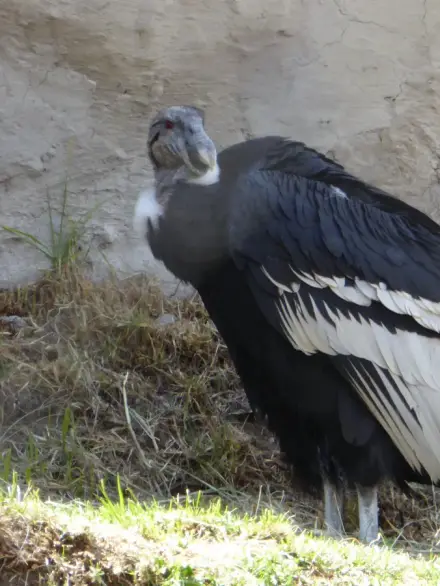
The rufous hornero became Argentina's national bird through a vote, not a law. In 1928 the Buenos Aires newspaper La Razón invited schoolchildren across the country to choose the bird that best represented Argentina. The poll had the support of the Asociación Ornitológica del Plata, the country's bird society, known today as Aves Argentinas. Tens of thousands of children sent in their votes, and the hornero won clearly, with the Andean condor in second place.
According to reports of the poll, the children gave several reasons. The hornero lives in almost every part of the country. It is common in both the countryside and towns. It stays all year instead of migrating, pairs often stay together for life, and its carefully built clay nest is a model of hard work.
The bird was already a favorite of Argentine naturalists. The journal of the same bird society has long been called El Hornero.
About the animal
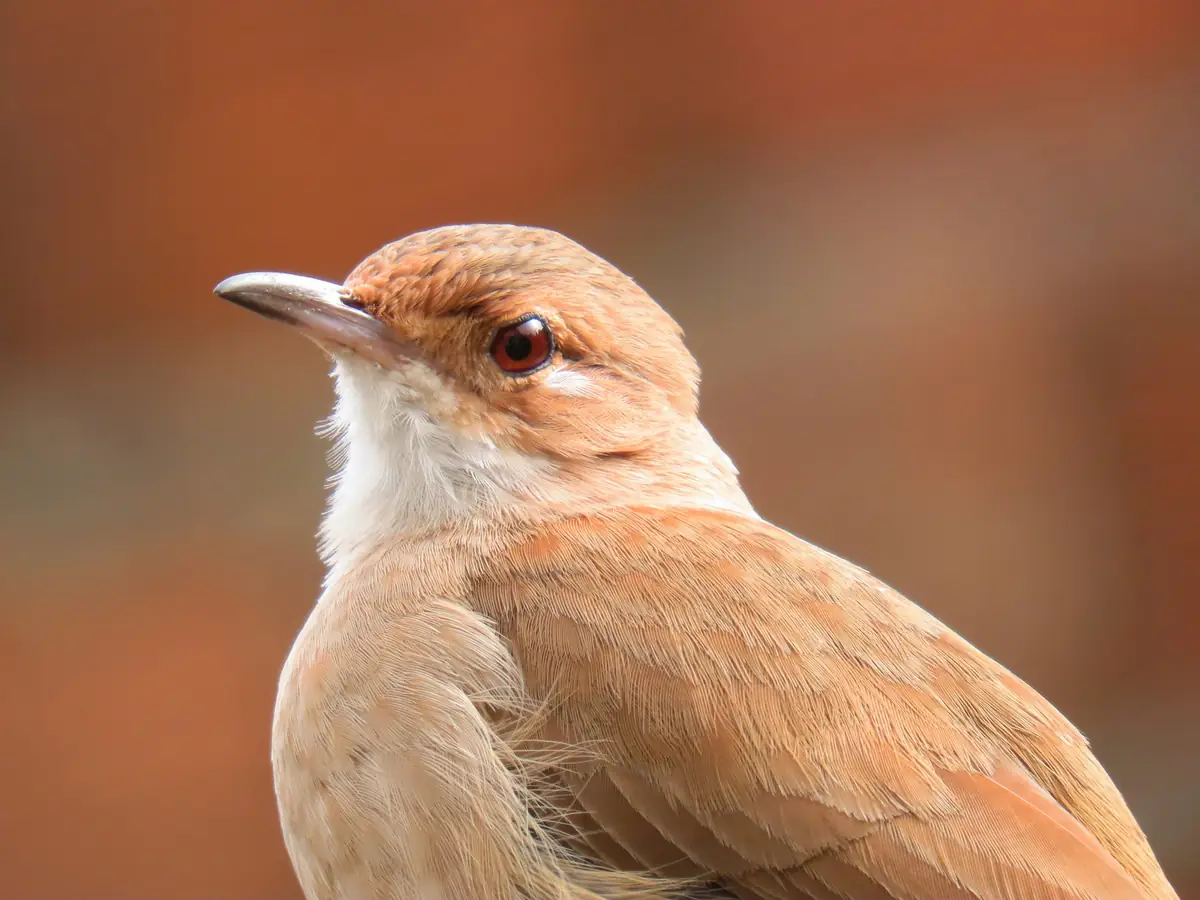
The rufous hornero is a small, sturdy bird about 16 to 23 centimeters long and weighing about 30 to 65 grams. It is plain but handsome, with reddish-brown upperparts and tail, a pale brown breast and a whitish throat. It spends much of its time walking on the ground, where it hunts insects such as crickets, beetles, grasshoppers and ants.
It lives in eastern South America, including Argentina, Uruguay, Paraguay, Bolivia and much of Brazil, in savannas, pastures, farmland, scrub and towns. It has adapted so well to people that it often nests on fence posts, telephone poles and buildings.
Its famous nest gives the bird its name. Hornero comes from the Spanish word horno, meaning oven, because the nest looks like an old wood-fired clay oven. The pair builds it together from mud mixed with plant fibers, hair, dung and small stones, shaping a dome with a side entrance. A nest can take from a few days to several months to finish and can weigh several kilograms. Inside, a curved wall separates the entrance from the chamber where the eggs lie.
Horneros are faithful partners, and pairs often stay together for years, sometimes for life. They defend a territory all year and sing loud duets together. The female lays two to four eggs, both parents take turns incubating them for about two weeks and feed the chicks, and the young stay in their parents' territory for months after leaving the nest.
Conservation
The rufous hornero is listed as Least Concern on the IUCN Red List. It is common and widespread, and it has benefited from the spread of pastures, farms and towns, where it finds open ground for feeding and posts and buildings for nesting.
Its nests help other birds too. Old hornero nests are used by at least 15 other bird species, including the saffron finch and the house sparrow, which move in once the builders have left.
Because it is so common, the hornero does not need special rescue work. It does need mud and water for building, insects to eat and places to nest. Leaving some bare ground, puddles and native trees in parks and gardens helps the national bird and other wildlife.
Where to see the rufous hornero in the wild
Wild rufous horneros in Argentina are common across the north and centre of the country as far south as northern Patagonia, living in open scrub, pastures, farmland and towns.
Watch wild animals from a distance, never feed them, and follow the rules and rangers of each protected area.
Fun facts
- Hornero means oven maker in Spanish, because its clay nest looks like an old wood-fired oven.
- In 1928 Argentine schoolchildren voted the hornero their national bird in a newspaper poll.
- In a hornero duet, the female sings more slowly than the male, and both birds beat their wings in time with their song.
Other national symbols of Argentina
- National flower
Cockspur coral tree (ceibo) Erythrina crista-galli Officially designated
Argentina declared the red flower of the ceibo tree its national flower by Decree No. 138,974 of 1942.
Frequently asked questions
What is the national bird of Argentina?
The national bird of Argentina is the rufous hornero (a widely recognized national symbol, not set by law). It is a small, sturdy, reddish-brown bird that builds a clay nest shaped like an old wood-fired oven, which gives the bird its name.
Which country has the rufous hornero as its national bird?
The rufous hornero is the national bird of Argentina. The rufous hornero is also known as red ovenbird.
Why is the rufous hornero the national bird of Argentina?
The rufous hornero won a vote, not a law: in 1928 the Buenos Aires newspaper La Razón, backed by the Asociación Ornitológica del Plata, asked schoolchildren across the country to choose the bird that best represented Argentina, and the hornero won clearly, with the Andean condor second. The children pointed out that it lives in almost every part of the country, stays all year, often pairs for life, and builds a careful clay nest that is a model of hard work.
Is the rufous hornero endangered?
The rufous hornero is listed as Least Concern on the IUCN Red List. It is common and widespread, and it has benefited from the spread of pastures, farms and towns.
Where does the rufous hornero live?
Open country, pastures, farmland, parks and towns in eastern South America.
Where can you see the rufous hornero in the wild?
Wild rufous horneros in Argentina are common across the north and centre of the country as far south as northern Patagonia, living in open scrub, pastures, farmland and towns.
Sources
- La Nación. ¿Quiénes decidieron que el hornero se convirtiera en el ave nacional?.
- IUCN Red List of Threatened Species. Furnarius rufus (assessment 2016).
- InfoLeg – Decreto 138974/1942, Flor Nacional Argentina, Flor del Ceibo.
- Argentina.gob.ar – La Flor Nacional.
- BirdLife International DataZone – Rufous Hornero Furnarius rufus species factsheet.
- Conservation status: IUCN Red List of Threatened Species.