Why it represents the country
Honduras made the scarlet macaw a national symbol by decree. Decree No. 36-93, issued by the President in the Council of Ministers and published in the official gazette La Gaceta on 17 September 1993, declared the guara roja (Ara macao), together with the white-tailed deer, a sacred symbol of the nation's wildlife. The decree said the aim was to build a positive attitude toward protecting these animals and the natural systems they depend on.
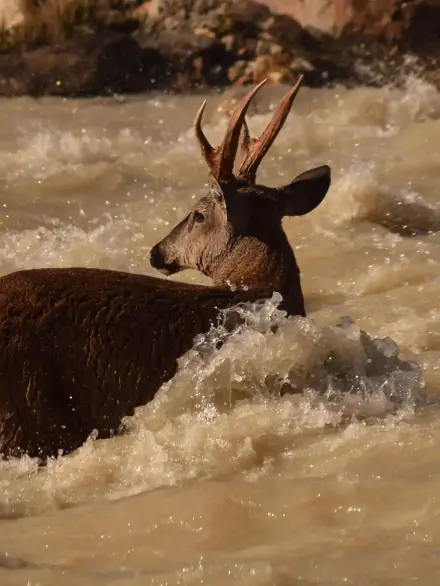
In Honduras the bird is usually called the guara roja. Honduran newspapers give 28 June 1993 as the day it was declared the national bird, and the decree then appeared in the official gazette that September. The same decree made the white-tailed deer the national mammal, so the country has one bird and one mammal as wildlife symbols.
The macaw mattered in Honduras long before 1993. At Copán, the great Maya city in the west of the country, carved stone macaw heads decorated the ballcourt. Today scarlet macaws fly around the ruins again, and they are one of the first things many visitors to Copán see and hear.
About the animal
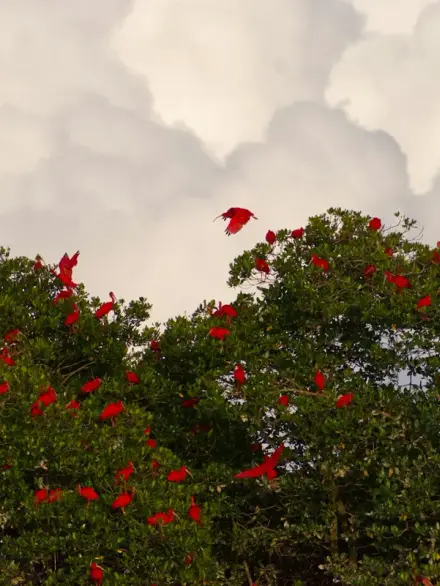
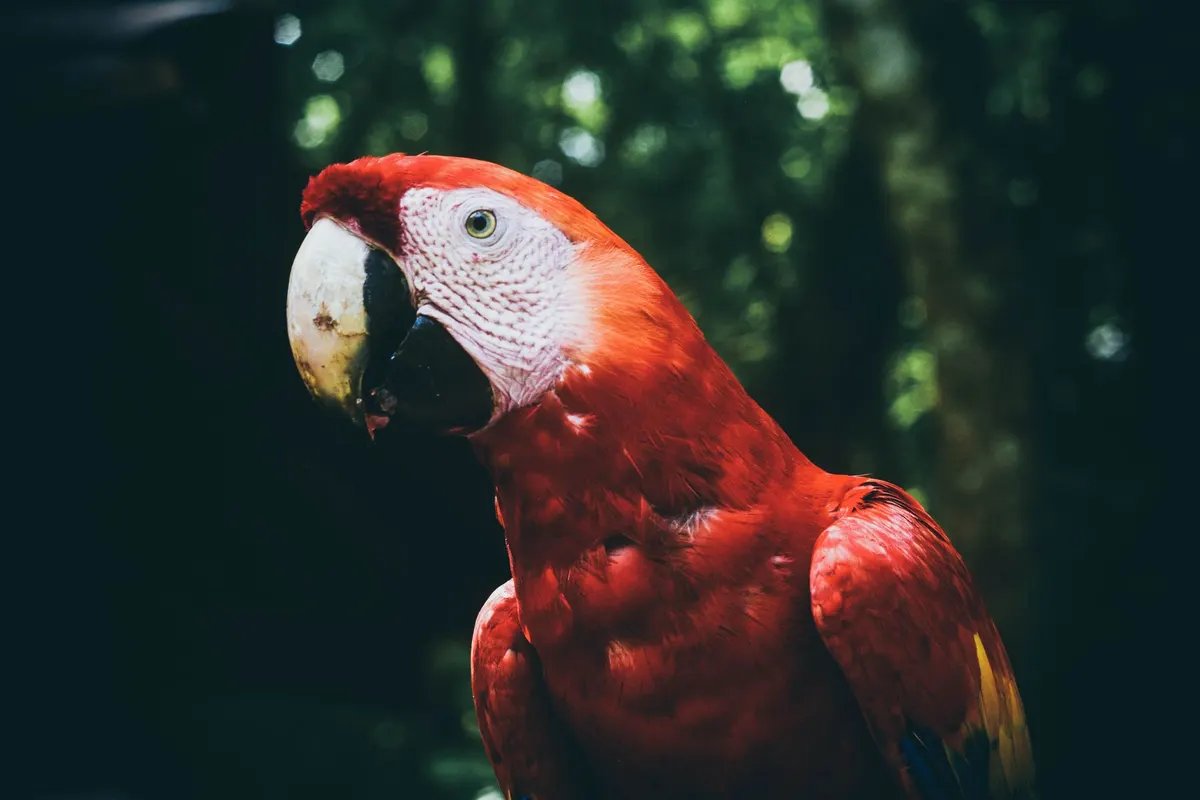
The scarlet macaw is one of the largest parrots in the Americas. Adults average about 84 to 89 centimeters long, and much of that length is tail. They weigh around 1 kilogram. The body is mostly bright scarlet, with a band of yellow on the wings, blue flight feathers and a long red and blue tail. The face is bare and whitish, and the huge curved bill is pale on top and black below.
The species ranges from southern Mexico through Central America to the Amazon basin, living high in the canopy of humid forest below about 1,000 meters. Birds in Central America belong to a northern subspecies that is larger than the South American form and has blue rather than green in its wings. In the Mosquitia region of eastern Honduras, macaws also live in mixed pine and broadleaf forest.
Scarlet macaws eat mainly fruits, nuts and seeds, along with some flowers and nectar. Their powerful bills can crack very hard nuts, and they often eat fruit before it is ripe, when few other animals can get into it. They also eat clay from riverbanks, which is thought to help them cope with bitter chemicals in unripe fruit.
Pairs stay together for life and are usually seen flying side by side. They nest in hollows high in large trees. The female lays 2 to 4 white eggs and incubates them for about 24 to 25 days, and the young stay with their parents for one to two years. Scarlet macaws commonly live 40 to 50 years.
Conservation
Worldwide, the scarlet macaw is listed as Least Concern on the IUCN Red List because its range is huge and it is still widespread in South America. Its numbers are falling, however, and it is listed on CITES Appendix I, which bans international commercial trade in the species.
In Honduras the picture is more worrying. The country's own red list classes the guara roja as Endangered, and wild birds now survive in only a few natural areas and Indigenous territories, such as the Río Plátano and Tawahka reserves in the Mosquitia. The main threats are forest loss and poachers who take chicks and eggs from nests to sell. In 2019, Mongabay reported about 600 scarlet macaws in the department of Gracias a Dios.
Honduras has stepped up protection. In April 2025 the national forest and wildlife agency declared a permanent ban on registering or keeping wild scarlet macaws as pets, with exceptions only for birds bred in legal breeding centers. In the Mosquitia, local families guard nests, and rescue centers care for confiscated birds so they can be released.
Fun facts
- Much of a scarlet macaw's length is its long tail.
- Scarlet macaws eat clay from riverbanks, which is thought to help them digest their food.
- The same 1993 decree named both the scarlet macaw and the white-tailed deer as wildlife symbols of Honduras.
Other national symbols of Honduras
- National flower
Digby's orchid Rhyncholaelia digbyana Officially designated
Honduras made the native orchid Rhyncholaelia digbyana its national flower by Decree No. 96 in November 1969, replacing the rose.
Frequently asked questions
What is the national bird of Honduras?
The national bird of Honduras is the scarlet macaw (officially designated). Known in Honduras as the guara roja, it is a large red, yellow and blue parrot, one of the largest in the Americas.
Which country has the scarlet macaw as its national bird?
The scarlet macaw is the national bird of Honduras. The scarlet macaw is also known as red-and-yellow macaw or red-and-blue macaw.
Why is the scarlet macaw the national bird of Honduras?
Decree No. 36-93, published in the official gazette La Gaceta on 17 September 1993, declared the scarlet macaw (guara roja), together with the white-tailed deer, a sacred symbol of the nation's wildlife, with the aim of building a positive attitude toward protecting these animals and the natural systems they depend on. Honduran newspapers date the declaration to 28 June 1993. The macaw mattered long before that: at the Maya city of Copán, carved stone macaw heads decorated the ballcourt.
Is the scarlet macaw endangered?
Worldwide, the scarlet macaw is listed as Least Concern on the IUCN Red List because its range is huge, although its numbers are falling. In Honduras the picture is more worrying: the country's own red list classes the guara roja as Endangered, and wild birds survive in only a few natural areas and Indigenous territories.
Where does the scarlet macaw live?
Humid lowland forest and mixed pine and broadleaf forest, mostly below 1,000 meters.
Sources
- Diario Oficial La Gaceta (Honduras). Acuerdo ICF-026-2025: veda permanente para Ara macao y Ara ambiguus (cites Decreto 36-93).
- Mongabay. La Mosquitia: dangerous territory for scarlet macaws in Honduras.
- Animal Diversity Web, University of Michigan. Ara macao: scarlet macaw.
- IUCN Red List of Threatened Species. Ara macao (assessment 2022).
- TuNota (Honduras) — Flor nacional de Honduras: historia y significado (2022).
- El Heraldo (Honduras) — El legado de un botánico que protegió la flora nacional.
- Longwood Gardens — Orchids as emblems of national pride (2022).
- Conservation status: IUCN Red List of Threatened Species.