The back door was open for less than a minute while the shopping came in. Now the food bowl sits full in the kitchen, the house is far too quiet, and the light outside is fading. You have already called the name three times from the doorstep.
Take a breath. Most lost pets do come home, and the hours ahead are the ones that matter most. What helps is not panic but a calm, careful plan.
Losing a pet is frightening, and it is easy to waste the first evening running up and down the street shouting. The good news is that the odds are on your side. In a US phone survey published by the ASPCA, 93% of lost dogs and 74% of lost cats were eventually recovered. Many were found close to home, either by a neighborhood search or because they made their own way back.
This guide walks through what to do, in order: where to search first, who to tell, how to spread the word without inviting scams, and how to bring a frightened animal safely back through the door.
- Search close to home, and start now. Most lost cats are hiding nearby, and searching the neighborhood is how about half of lost dogs are found.
- Look quietly, at quiet times. Frightened cats hide in silence, and early morning and late evening are often the best times to look and listen.
- Tell shelters, vets and animal control, then keep checking in person. Do not rely on a single phone call.
- Post widely, but hold one detail back. It lets you test anyone who says they have your pet.
- Never chase a scared pet. Sit down, look away, and let it come to you.
The first hours: search close to home
Start with your own house, then search slowly outward from the place your pet was last seen, because that is where most lost pets turn out to be.
How to search, step by step
Begin indoors, even if you are sure the door was open. Pets squeeze into places that seem impossible: under beds, inside cupboards and wardrobes, behind heavy furniture, in any small dark corner. Check each one with a torch, then check again later, because a nervous animal can move to a new spot after you have walked past.
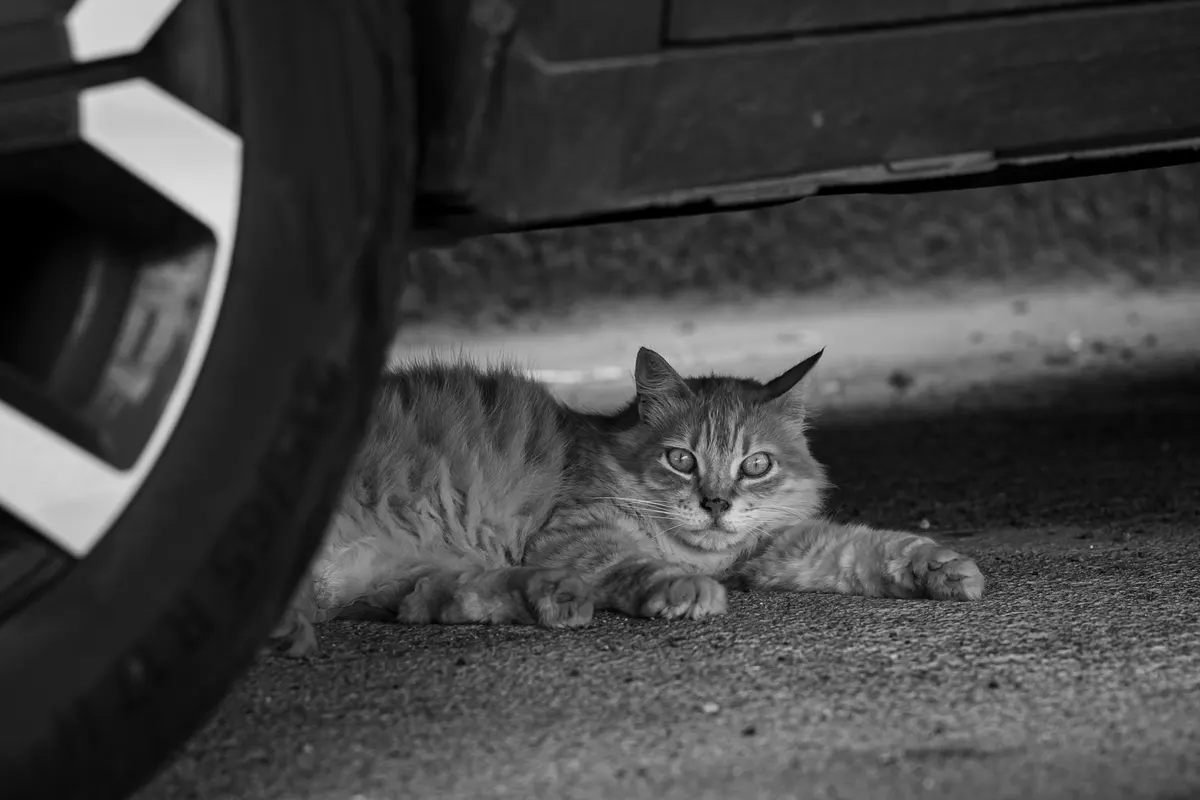
Once the house is clear, step outside and widen the circle gradually. Ask neighbors if you may look in their gardens, sheds, garages and greenhouses, and ask them to check their own outbuildings too, since a curious pet can be shut in by accident. Look under parked cars and decks, inside dense bushes, and anywhere that offers a roof and a little darkness.
Bring the sounds your pet already connects with good things. A shaken treat jar, a tapped food bowl or the noise you make at mealtimes can carry further than a raised voice, and it says “home” rather than “trouble”.
Timing matters. Cats tend to be most active late at night and early in the morning, and those are also the quietest hours, when a hidden animal feels brave enough to move or answer. Go out then with a torch, stop often, and listen.
Scent can help as a backup. A worn T-shirt or unwashed bedding left by the door may help a pet find the right house, but it is no substitute for searching.
Why lost cats and lost dogs behave differently
Lost cats usually hide nearby and stay silent, while lost dogs are more likely to keep moving, so a cat search goes deep and a dog search goes wide.
What the research shows
A cat that slips outside is usually not exploring; it is frightened. It finds the first hiding place with cover and stays there, often without making a sound, even when it hears its owner calling. That is why so many owners walk past their cat without knowing.
The numbers support a close, careful search. In a study of 1,210 missing cats, 75% of those found were within 500 m of where they escaped. Indoor-only cats were found a median of just 39 m from home, a few houses away, while cats used to going outside travelled further, a median of 300 m. About a third of the cats were recovered alive within 7 days, and few were found alive after 90 days. The researchers concluded that a thorough physical search in the first week is a useful strategy. Many cats also come home by themselves: in the ASPCA survey, 59% of cat owners got their cat back that way.
Dogs are different. Searching the neighborhood was how 49% of owners in the ASPCA survey found their dog, but some lost pets travel a long way, and a dog’s temperament and the weather can affect how far it goes. For a dog, cover more ground, ask people out walking, and tell shelters and vets outside your immediate area as well.
Tell shelters, vets and animal control, and keep going back
Contact your local animal shelters, animal control service and vet clinics as soon as you can, then visit in person and keep checking, because one call is rarely enough.
Who to call and what to bring
Someone may already have found your pet and handed it in. Call every shelter and rescue that serves your area, plus nearby animal control services and veterinary clinics, and include those a little further away. Leave your phone number with each one so they can ring you if your pet arrives later.
Then go in person, with photos. Staff see many animals, and a description over the phone can easily miss a match; you will recognize your own pet in a way nobody else can. Check back regularly, ideally every day at first. In the ASPCA survey only 6% of dogs and 2% of cats were found at a shelter, so shelters are one route among several, not a reason to stop searching outside.
Update the microchip record now. If your pet is microchipped, contact the microchip registry, report your pet missing and make sure your phone number and address are current. A microchip is only as useful as the details linked to it. Have the chip number ready when you call shelters, and bring proof that the pet is yours when you collect it.
Posters and online posts that actually work
Use big, simple posters near where your pet went missing and share the same details in local lost-and-found groups online, while keeping one identifying detail private.
What to include and where to post
A good poster can be read from across the street. Use a large heading such as LOST DOG or MISSING CAT, a clear and recent photo, and a short description: species, breed or type, sex, color, size, age and where and when your pet was last seen. Give two phone numbers, yours and a friend’s, so no call is missed. For a cat, it helps to say whether people should approach it or simply call you. The lost pet poster maker lays all of this out for you, ready to print or share.
Put posters up close to where your pet was last seen first, then further out: at vet clinics and pet shops, in busy places such as grocery stores and cafes, and at a height where children will see them, since children often notice animals adults walk past. Use one design everywhere so people start to recognize it. Ask permission before putting up a poster, and take them all down once your pet is home.
Online, post in local lost-and-found pet groups and neighborhood community pages, and ask friends to share. Check the “found” posts in the same groups every day, because someone may be looking for you too.
Keep one detail back. Leave a unique marking or feature out of your posters and posts. If someone calls to say they have your pet, ask them to describe it. A real finder can tell you; a scammer cannot.
Beware of reward and “finder” scams
Some people watch lost-pet posts and contact owners only to ask for money, so never pay anyone before you have your pet safely back.
Warning signs of a lost-pet scam:
- The caller wants money up front, by wire transfer, prepaid card or gift card, before returning your pet.
- They cannot send a recent photo or describe the detail you kept private, or they make excuses and get defensive.
- They push you to act fast, or ask for “fees” before you can see your pet.
Do not send money to anyone you do not know. Paying that way is the same as handing over cash.
You do not need to offer a reward for people to help. If you choose to, say so plainly and only hand it over in person once your pet is back in your arms.
When you see your pet: do not chase
Stop, crouch or sit down, look slightly away and speak softly, so your pet comes to you instead of running.
Do not chase a frightened dog or cat. A scared animal may not recognize you in that moment, even if you have shared a home for years. Running after it, or loudly calling a pet that has already been chased, can send it into panic and flight, sometimes straight into traffic.
How to bring a scared pet in
Make yourself small and unthreatening. Sit or crouch side-on, avoid staring straight at your pet, and talk in a calm, ordinary voice, or say nothing at all. Toss a few strong-smelling treats on the ground, a little closer to you each time, and let your pet decide to approach. It can take a long while, so be patient.
When your dog is close and relaxed enough, slip a lead gently over its head instead of grabbing its collar. If your pet keeps running, note the time, place and direction it went, and leave food and water at that spot at the same time each day. A regular feeding spot tells you where to focus, and a camera nearby can show when your pet visits.
If you find someone else’s lost animal instead of your own, see how to approach a stray dog or cat safely.
Humane traps for very scared cats (and some dogs)
When a pet is too frightened to come to you, a humane box trap set near its feeding spot is often the safest way to bring it home.
Borrowing and setting a trap
Many shelters and rescue groups lend or rent out humane traps, and some can help you set them. Place the trap where your pet has been eating or was seen, put food inside, and check it often. A trap must never be left unattended for long or in heat, cold or rain. Leaving a garage or shed door open with food inside can work in a similar way.
Traps are also used for frightened lost dogs, usually with help from an experienced rescue group. For the basics of how humane cat traps are set and handled, see what TNR is and how it works.

When your pet comes home
Have your pet checked by a vet, then let everyone know your pet is home and fix whatever let it out.
The vet check and closing the loop
Even if your pet seems fine, book a vet check soon after it returns. Time outdoors can mean fleas, worms or other problems that are easy to miss, and your vet can give any treatment your pet needs. If your pet seems injured, weak or unwell, contact a vet straight away.
Then close the loop. Take down your posters, update or remove your online posts, and tell the microchip registry, shelters, vets and neighbors that your pet is safe. It saves people from searching for an animal that is already home.
How to stop it happening again
An ID tag, an up-to-date microchip, secure doors and gates, and a few recent photos make the biggest difference. In the ASPCA survey, 15% of recovered dogs came home because of an ID tag or microchip.
A simple prevention checklist
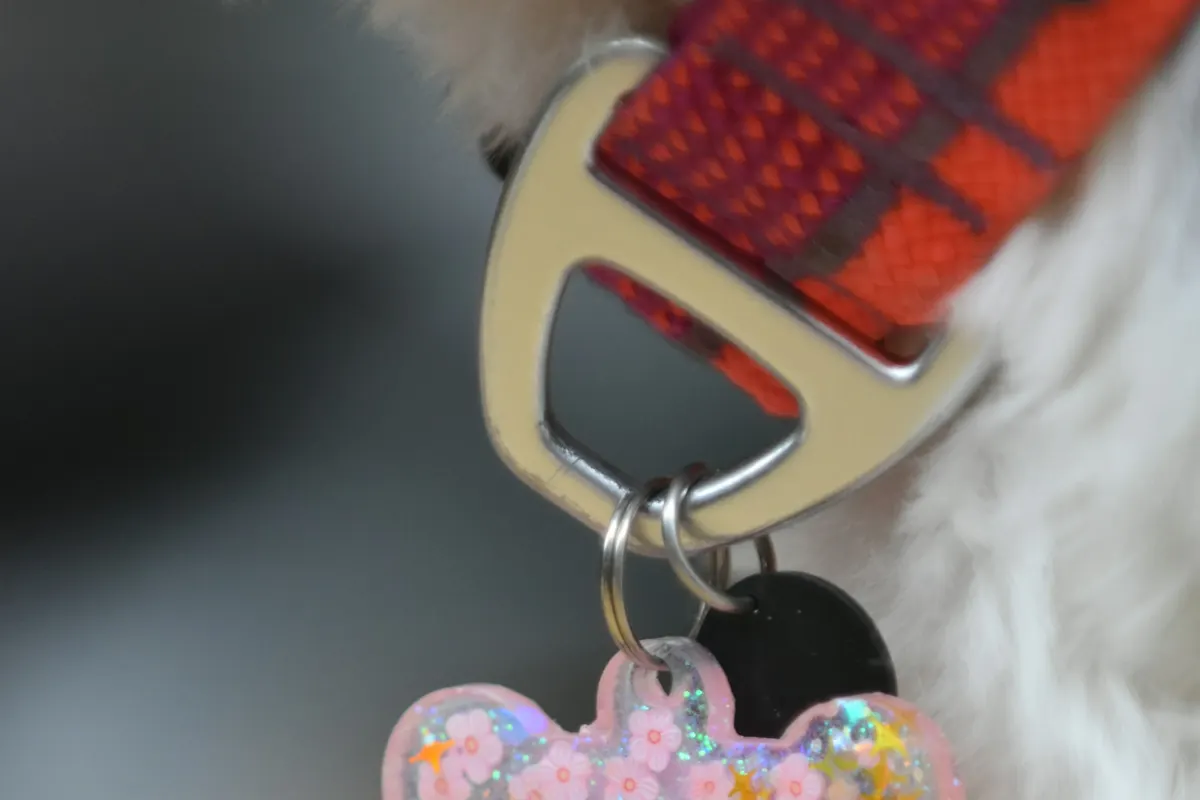
- ID tag: a collar tag with your name and current phone number, even for indoor-only pets.
- Microchip: ask your vet about microchipping, and update the registry every time you move or change your number.
- Secure home: check fences, gates and window screens, and keep doors closed while things are being carried in and out.
- Recent photos: keep a few clear, up-to-date photos showing your pet’s face, whole body and any markings.
- Neutering: it reduces the urge to wander off in search of a mate.
- Risky nights: keep pets safely indoors during fireworks and storms (see helping pets through fireworks and thunder).
- Off-lead time: only let a dog off the lead once it reliably comes back when called, and keep it on a lead in unfamiliar places.
Frequently asked questions
How far do lost cats usually go?
Usually not far. In one study of 1,210 missing cats, 75% of those found were within 500 m of where they escaped, and indoor-only cats were found a median of 39 m from home. Search the nearest gardens, sheds and parked cars very carefully before you look further away.
How long should I keep looking?
Search hardest in the first week: in one large study, about a third of missing cats were back home alive within 7 days. But do not stop there. Many more were found later in the year, so keep checking shelters and online posts and keep your posters up.
Someone says they have my pet but wants money first. What should I do?
Do not pay. Ask for a recent photo and for the detail you kept off your posters. Someone who really has your pet can show you; excuses, pressure and requests for payment first are classic signs of a scam.
Found an animal that might be someone else’s lost pet? Use the found an animal step-by-step guide, or visit the helping stray animals section.
Back in the quiet kitchen, that full food bowl is a promise more than a worry. Search close, search calmly, tell everyone, and keep that bowl filled for the night it is needed again.
Sources
- Animals (MDPI) – Search Methods Used to Locate Missing Cats and Locations Where Missing Cats Are Found
- ASPCA – How Many Pets Are Lost? How Many Find Their Way Home? ASPCA Survey Has Answers
- ASPCA – Finding a Lost Pet
- Best Friends Animal Society – How to Find a Lost Cat: Tips From a Pet Detective
- Best Friends Animal Society – Where, oh where has my little dog gone?
- Cats Protection – Lost Cat: What To Do If Your Cat Is Missing
- PDSA – Lost and found pets
- RSPCA NSW – Lost Dog or Cat? What to Do When You Lose or Find a Pet
- Better Business Bureau – Lost pet? Watch out for this scam
This guide is general information and not a substitute for veterinary advice.